Supermemory
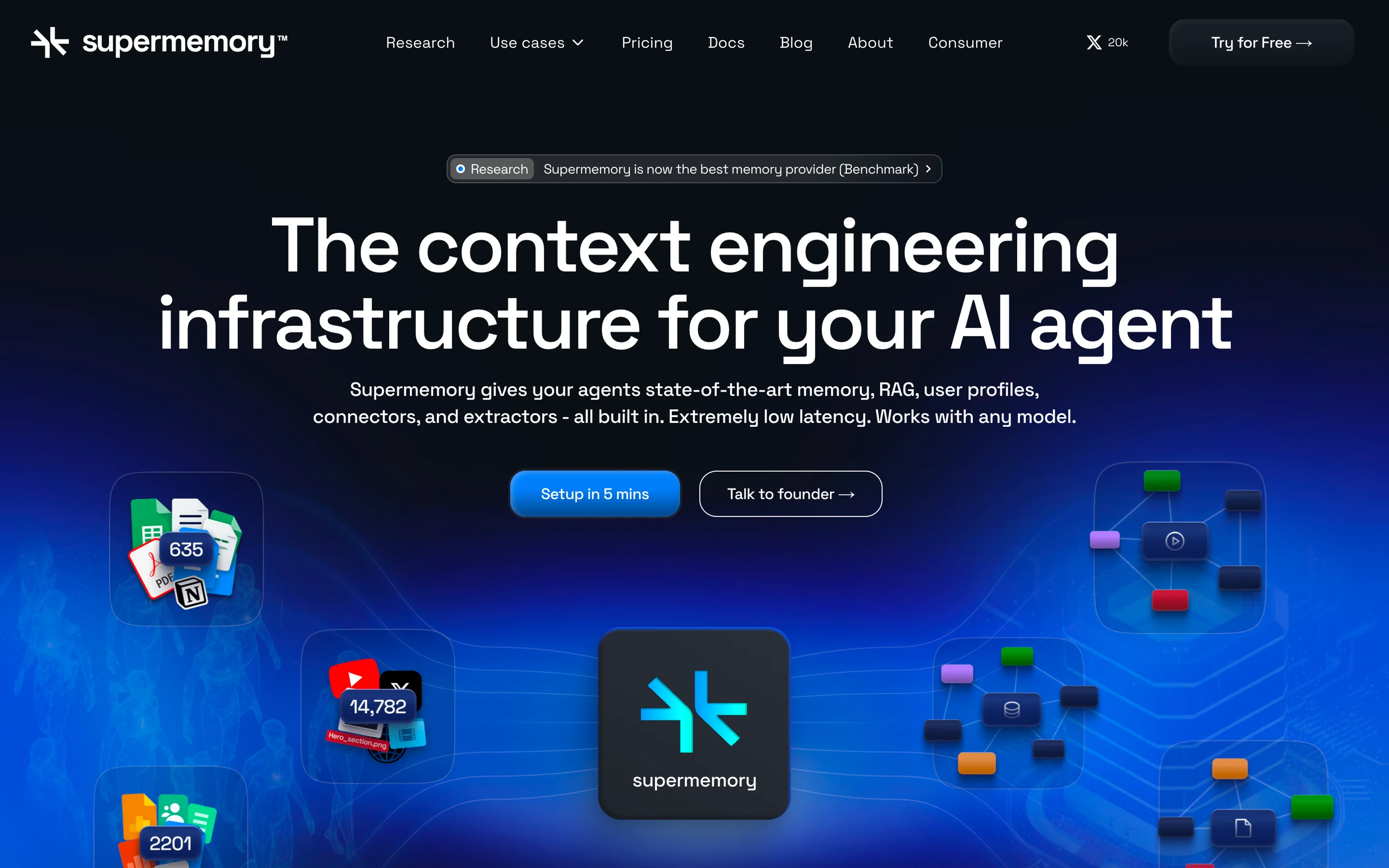
The context engineering infrastructure for your AI agent
The Challenge
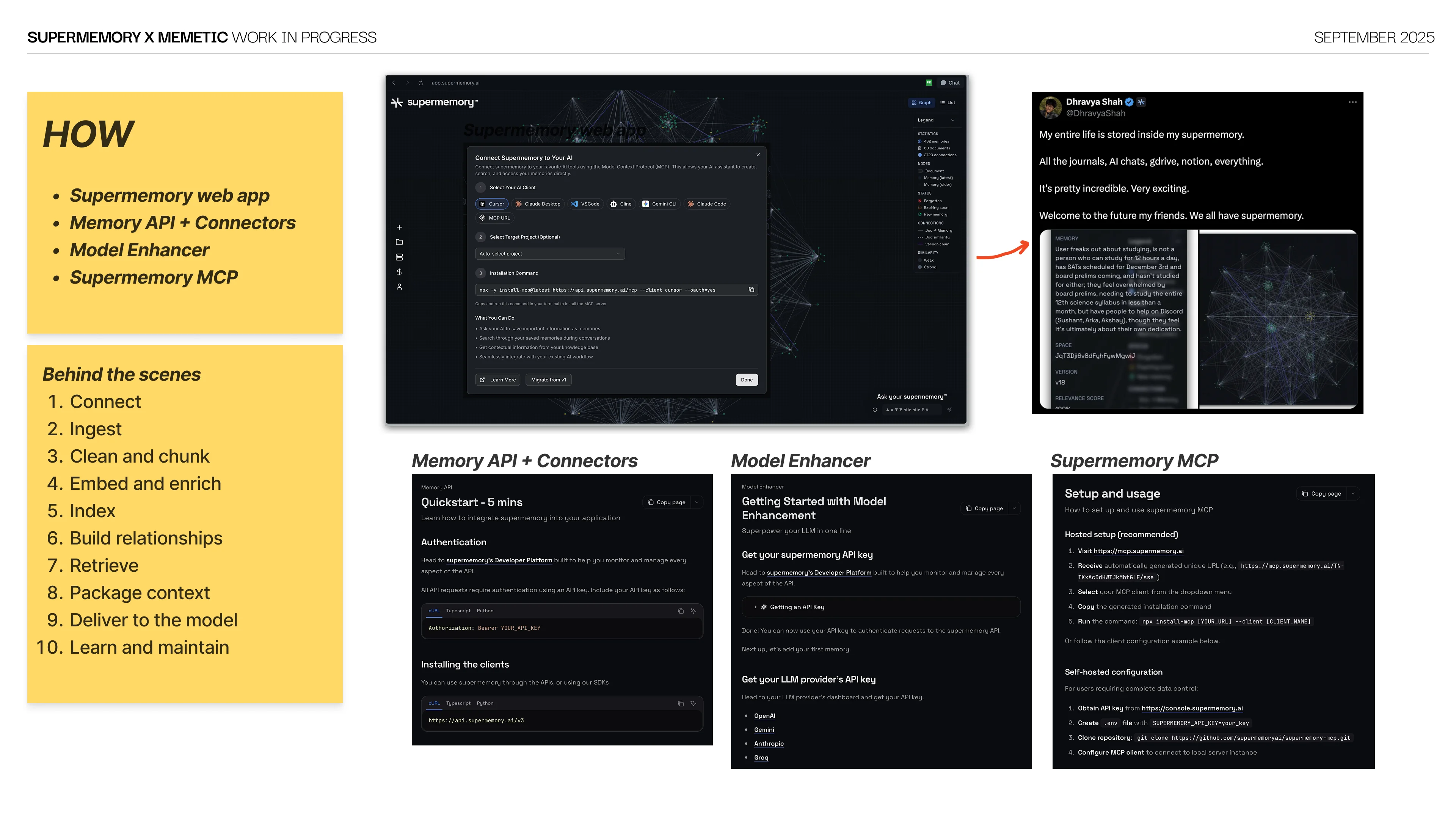
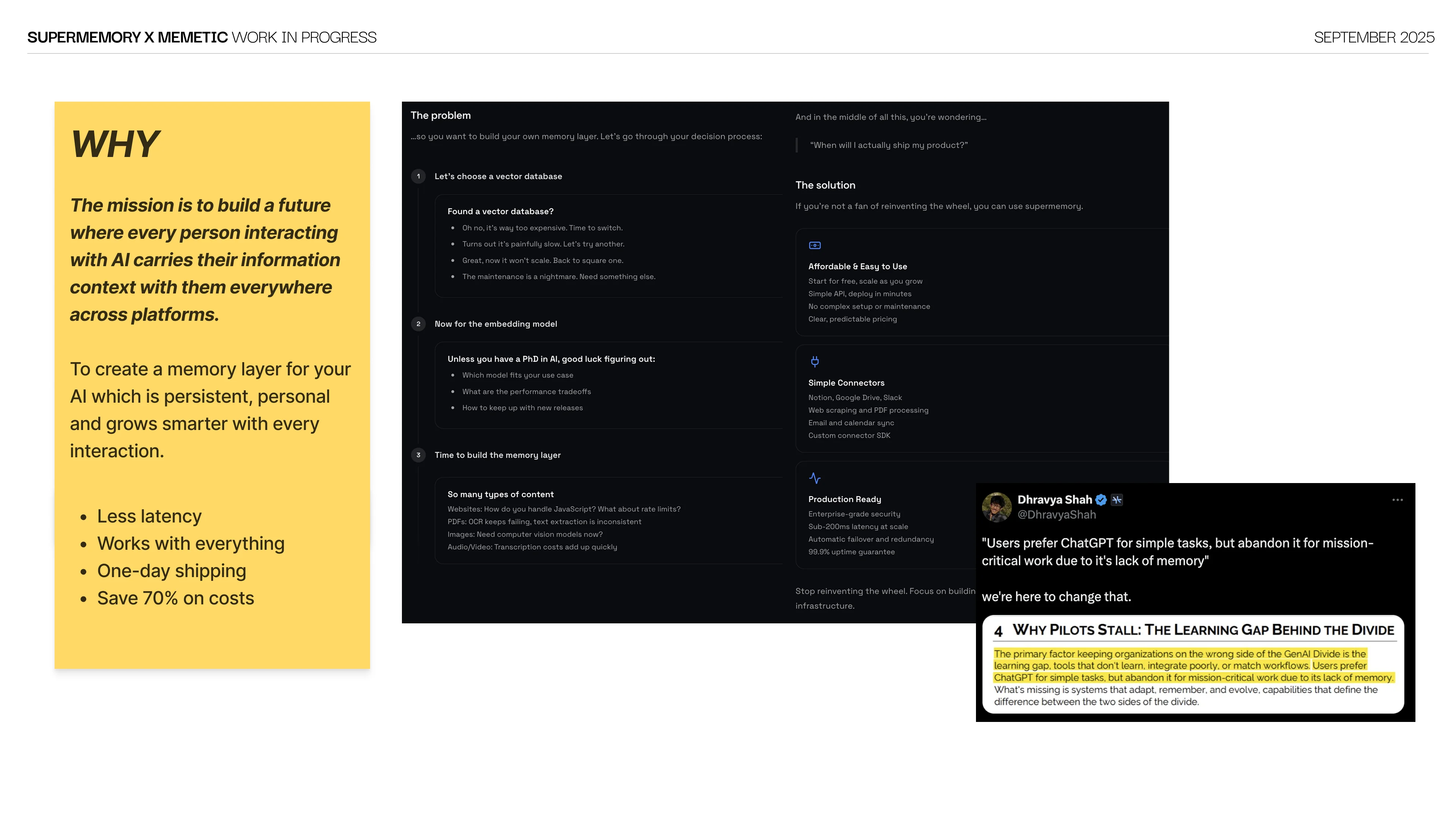
Supermemory's entire web presence was a single slide-like page with CTAs to their docs and platform. No story, no segmentation, no brand. Three audiences (enterprise developers, plugin users and consumers) hit the same generic page and had no reason to stay.
The Solution
Seven months of brand, web, product and launch work starting with a custom brand workshop with the founder. We shipped three website iterations, a full consumer product redesign, video content and a coordinated launch campaign.
Brand + First Website
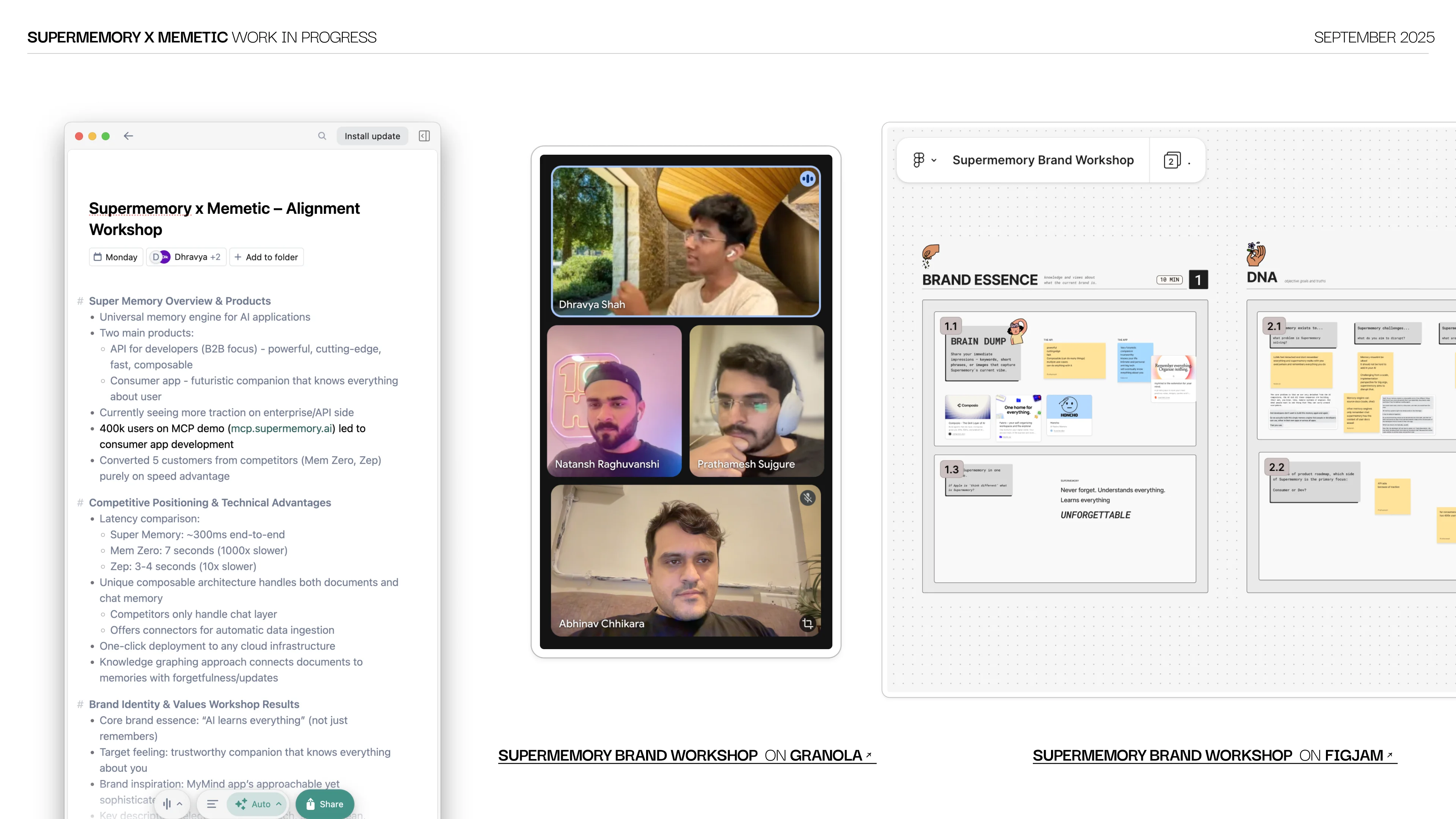
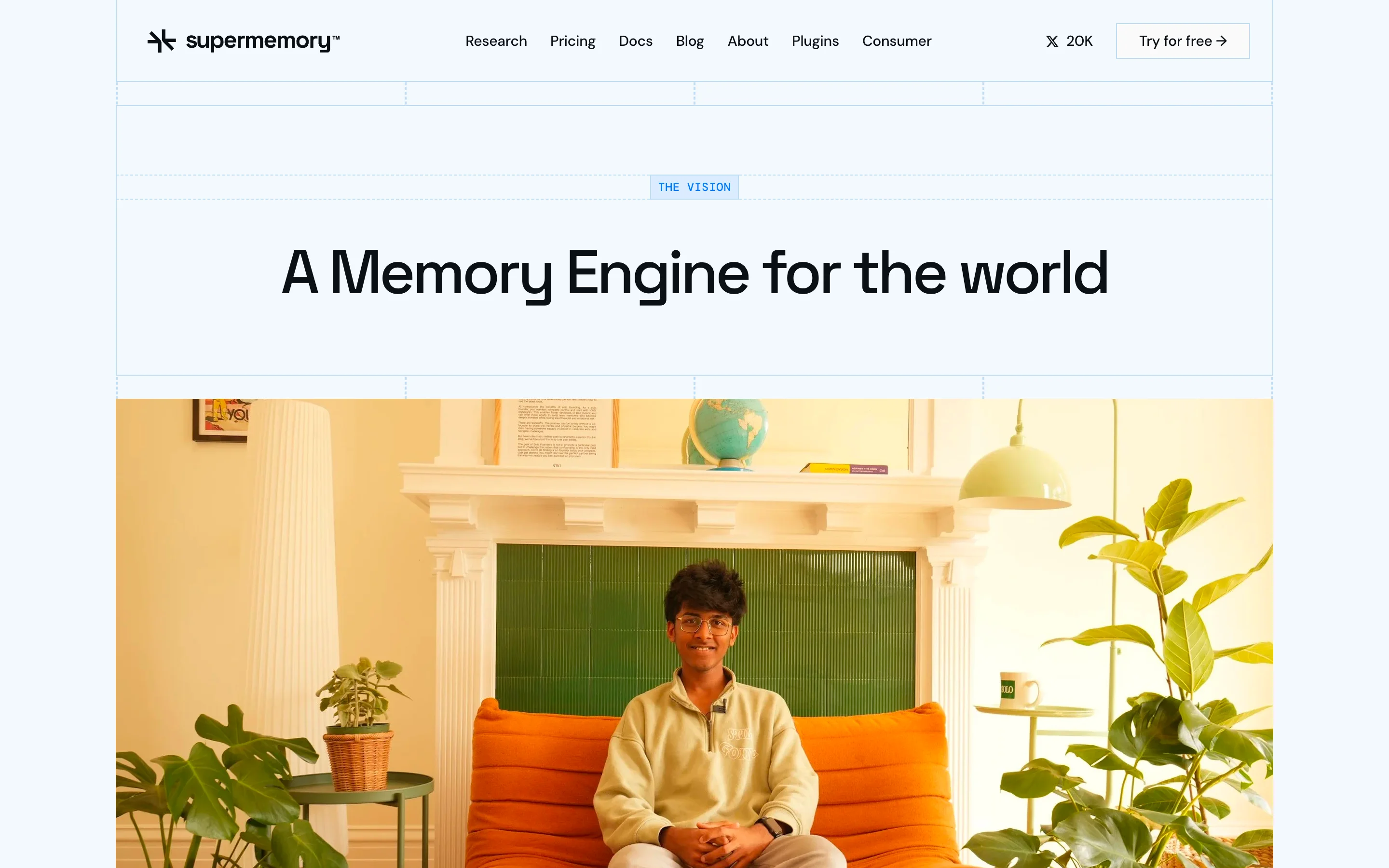
Two-hour brand workshop with Dhravya, CEO and founder of Supermemory. Synthesized findings with AI and call transcripts into a visual direction. Shipped the first enterprise-focused website alongside their fundraise announcement.
Nova Product Design
Started the consumer product Nova and redesigned the entire app experience with competitor research across similar-domain products. Synced with their dev team through detailed QA calls and handed off visual elements as code components. Also shipped V2 of the website in a 7-day sprint after feedback from investors and customers.
Revamp + Launch
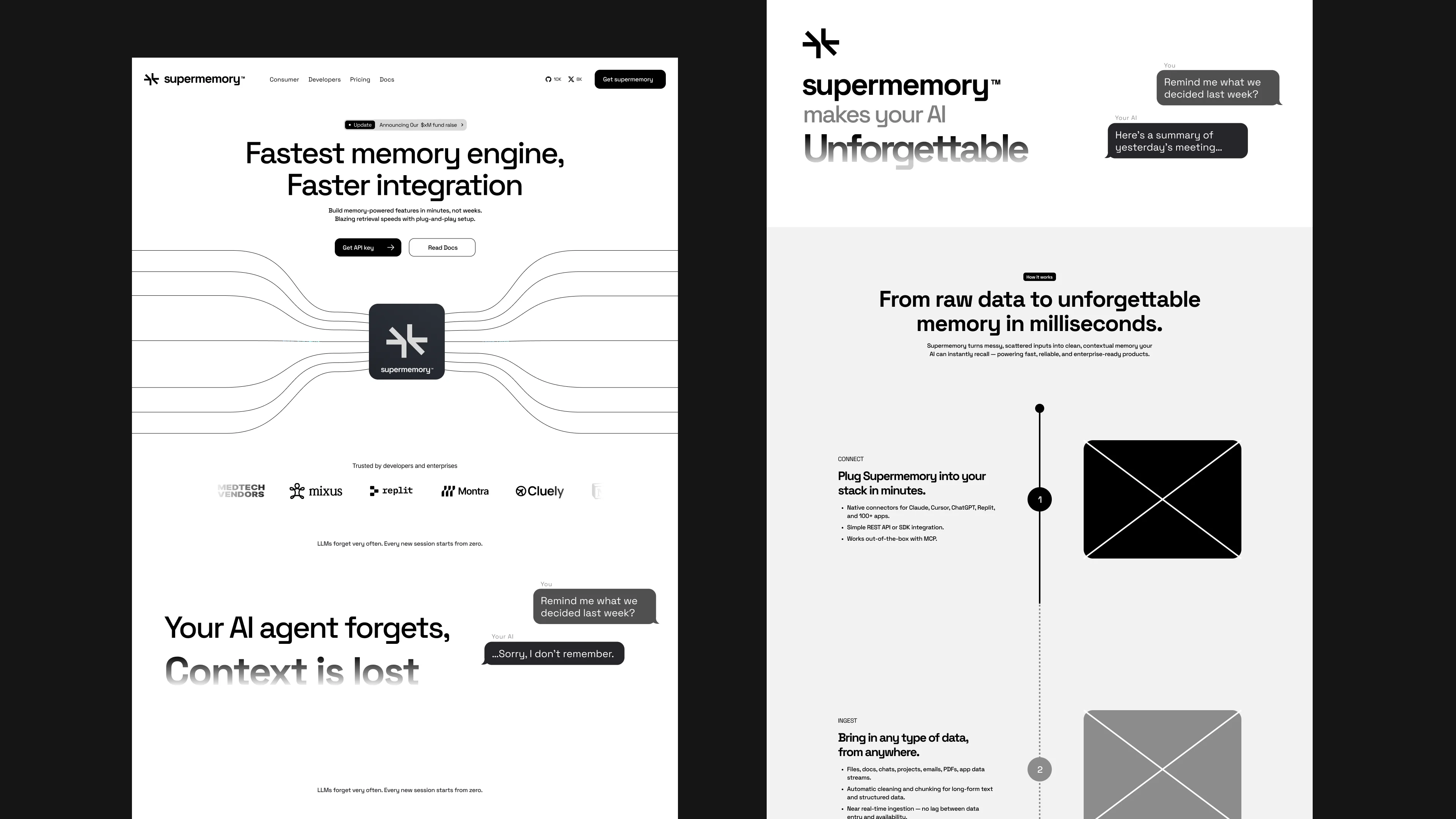
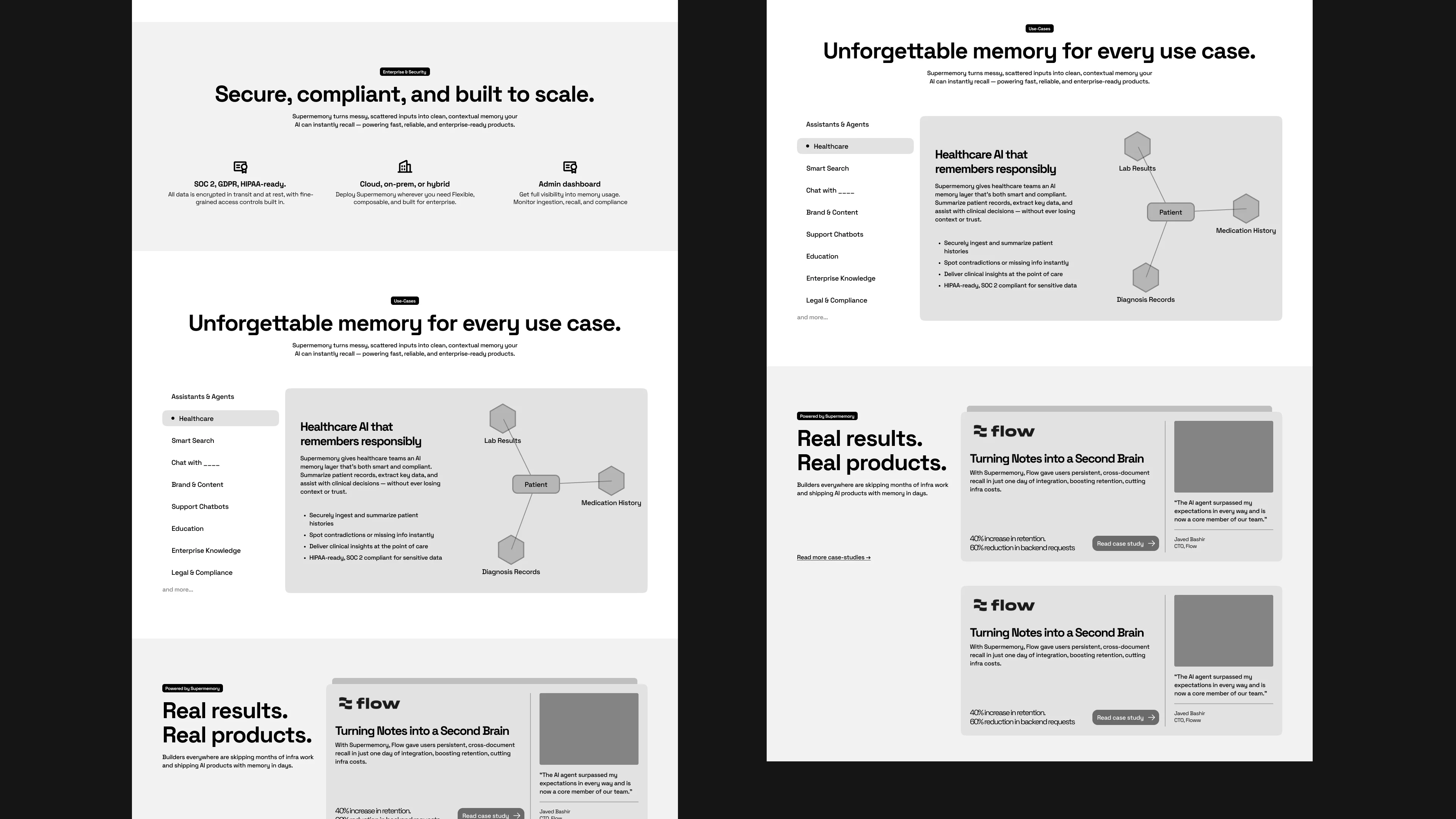
As Supermemory grew, three verticals came into play: enterprise, plugins and consumer. We revamped the website with flat grid blocky UI, built templatized pages with custom CMS in Framer and shipped the 'Unforgettable Week' launch campaign through the holidays. Videos and social media content were constant on-demand deliverables throughout.
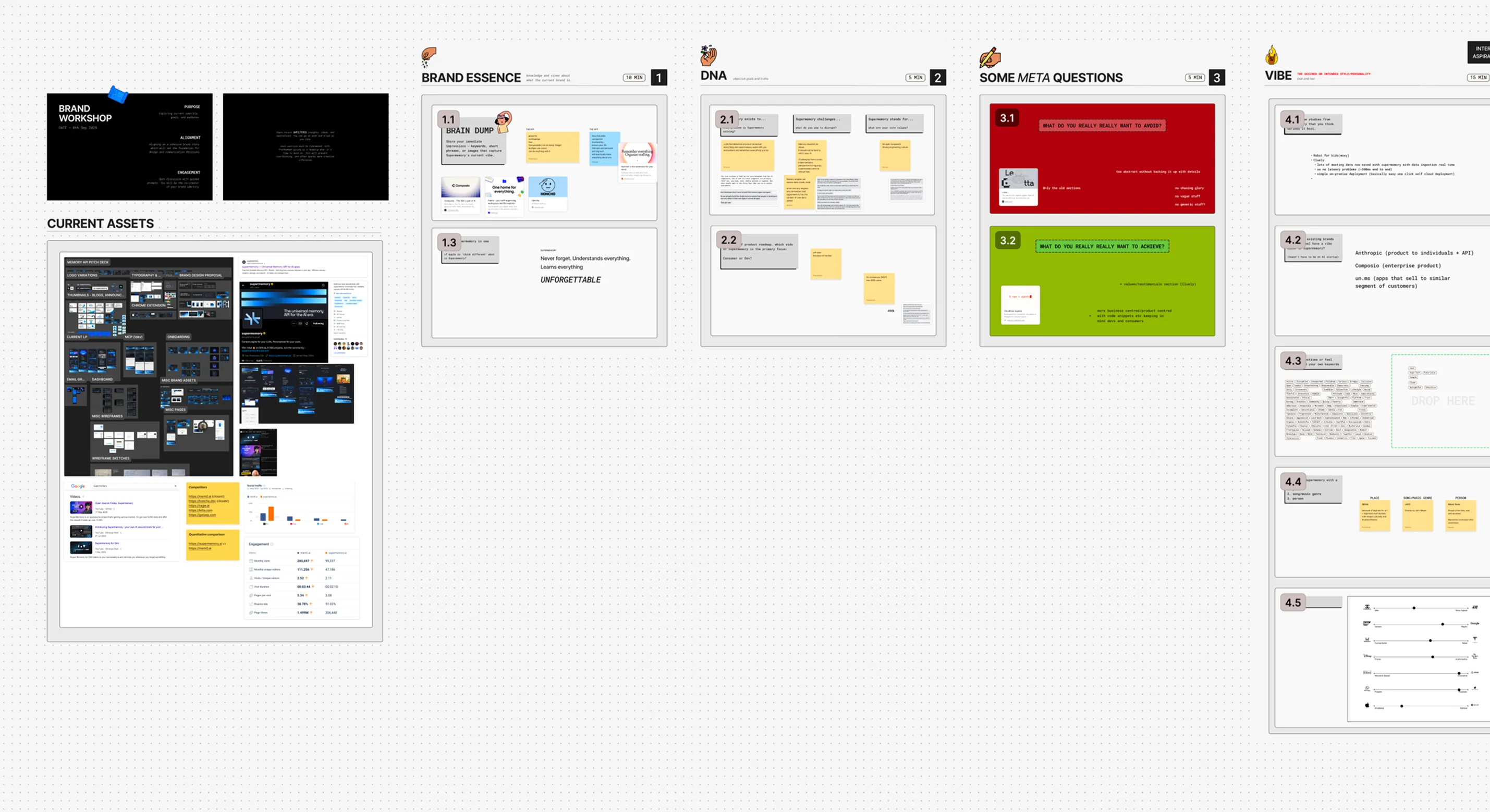
Brand Workshop
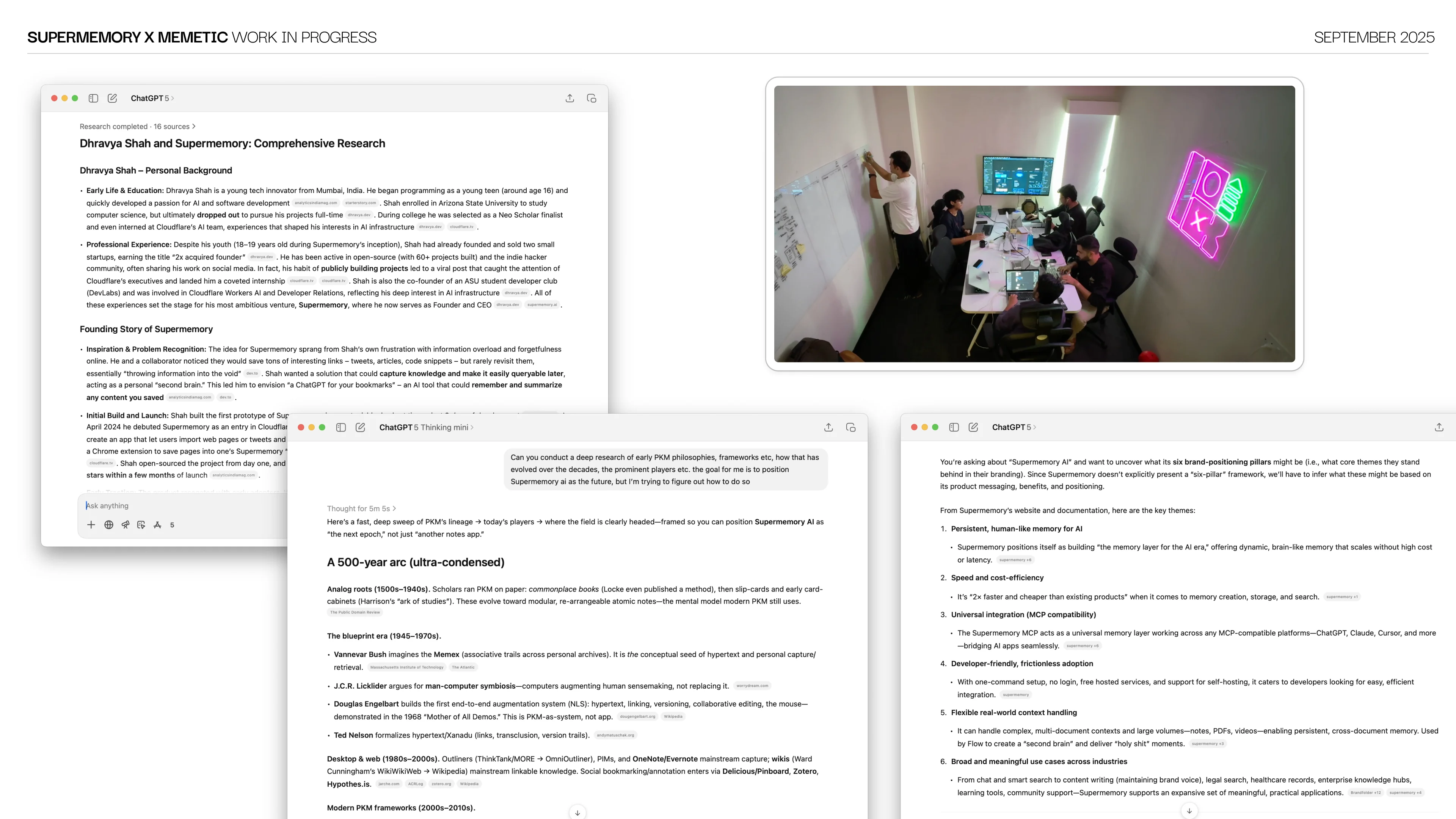
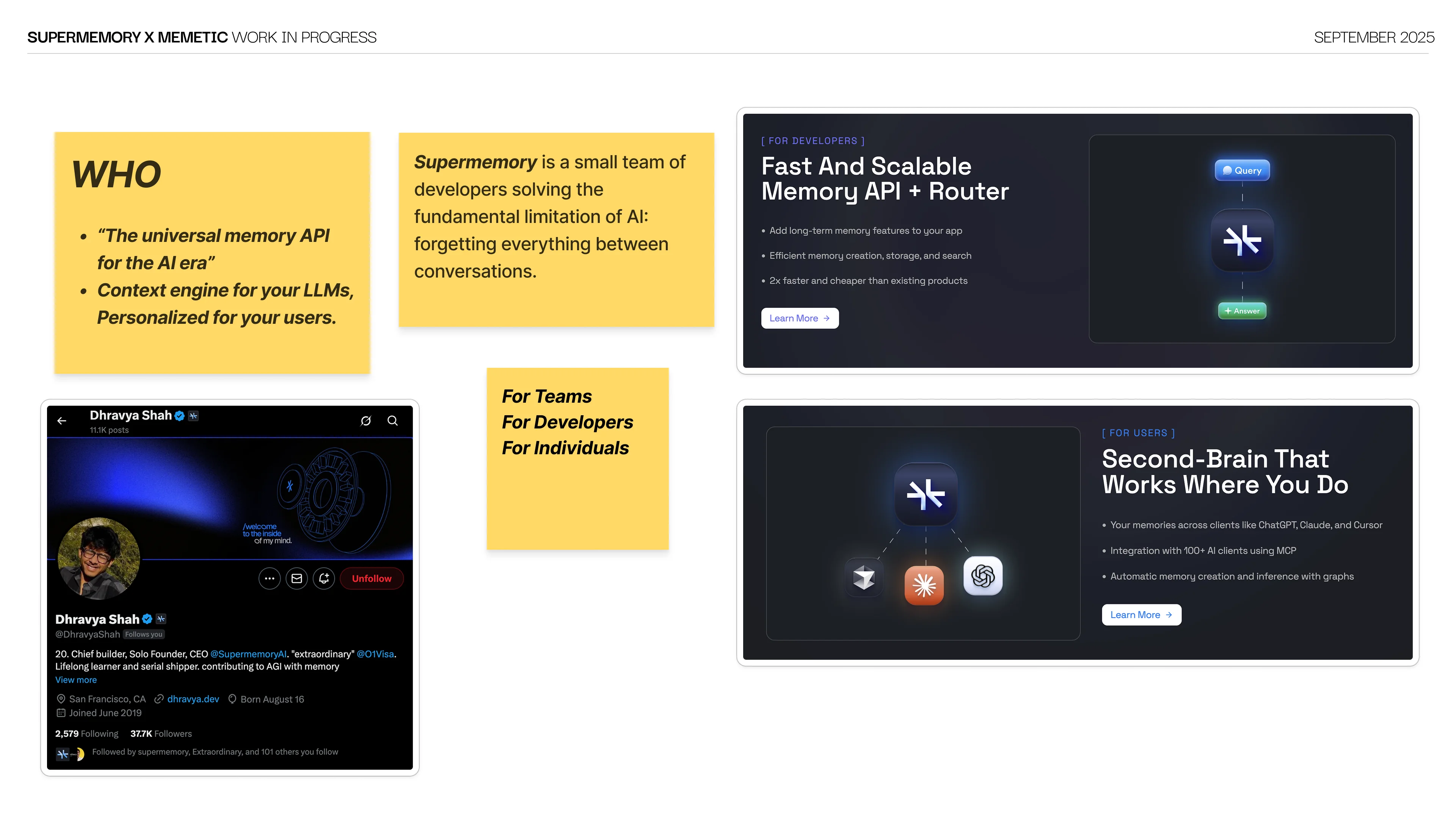
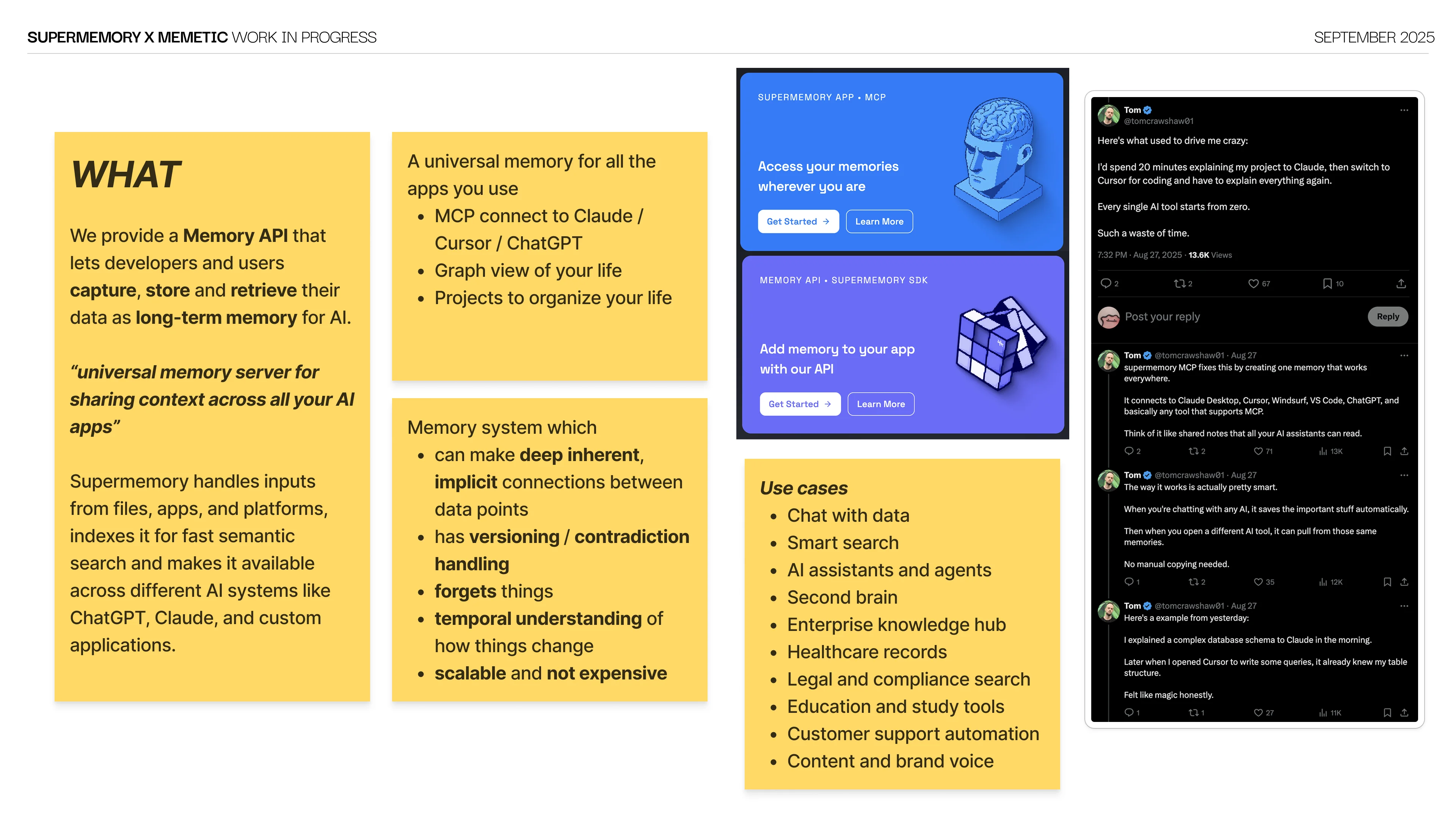
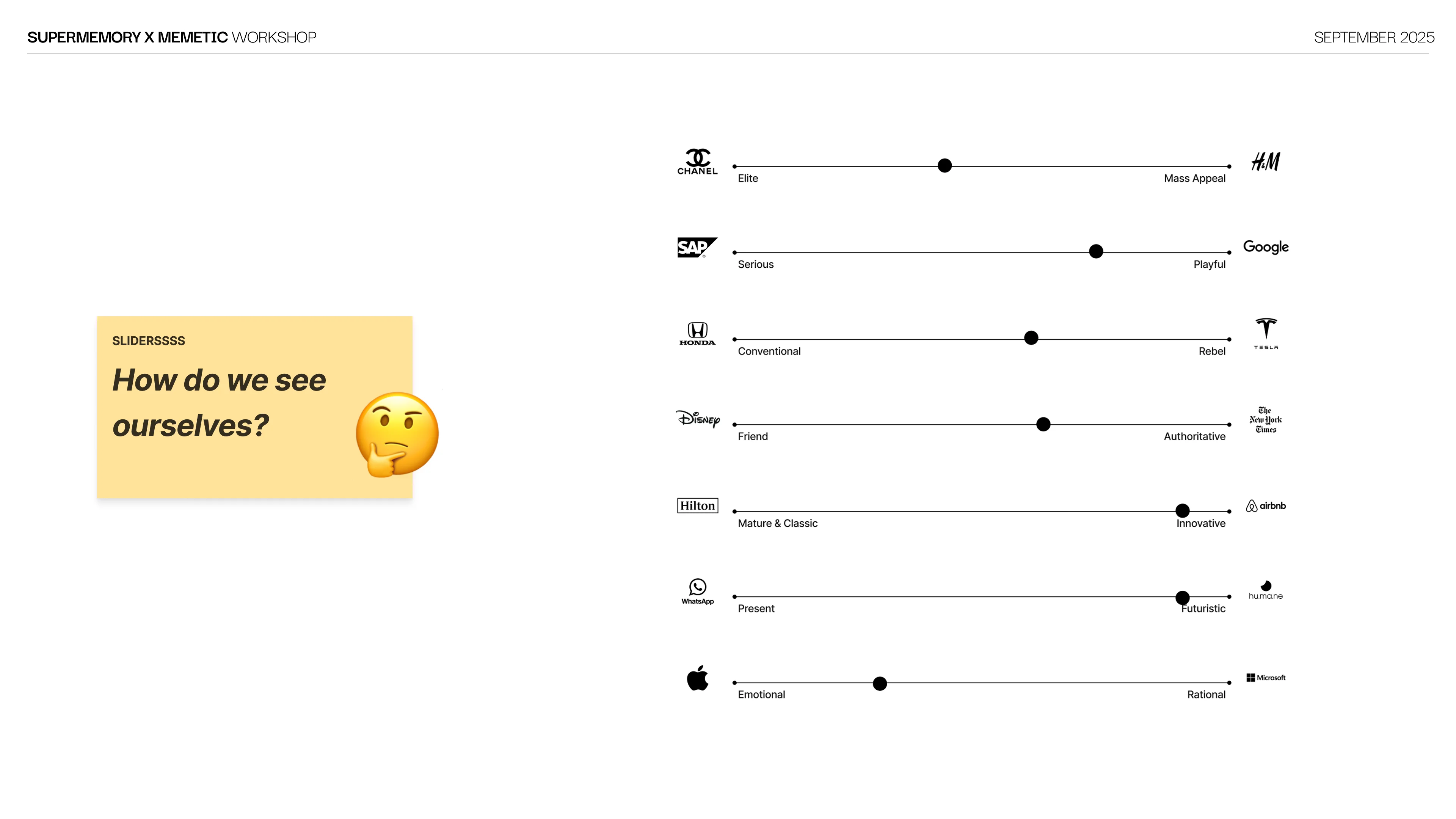
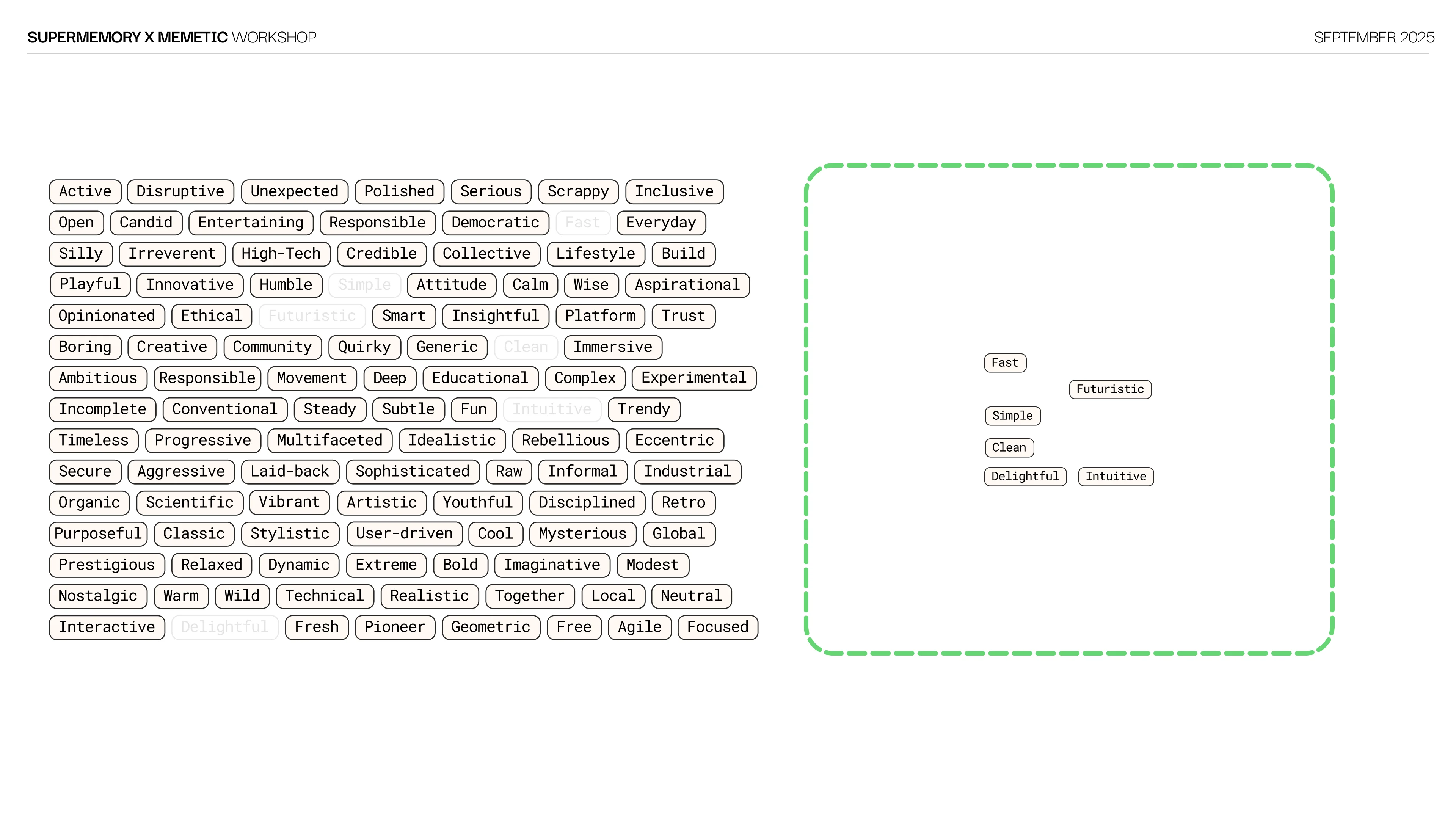
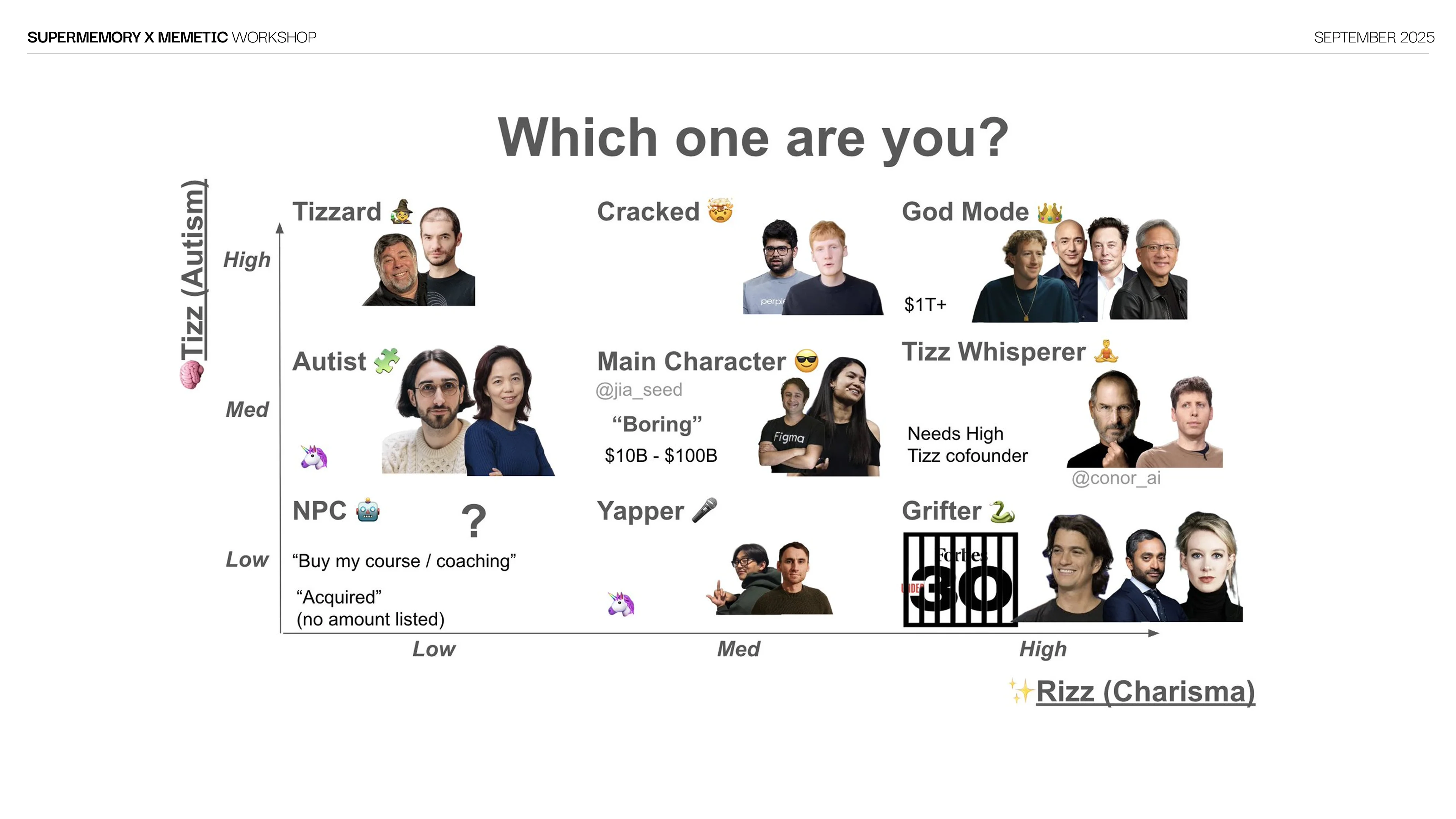
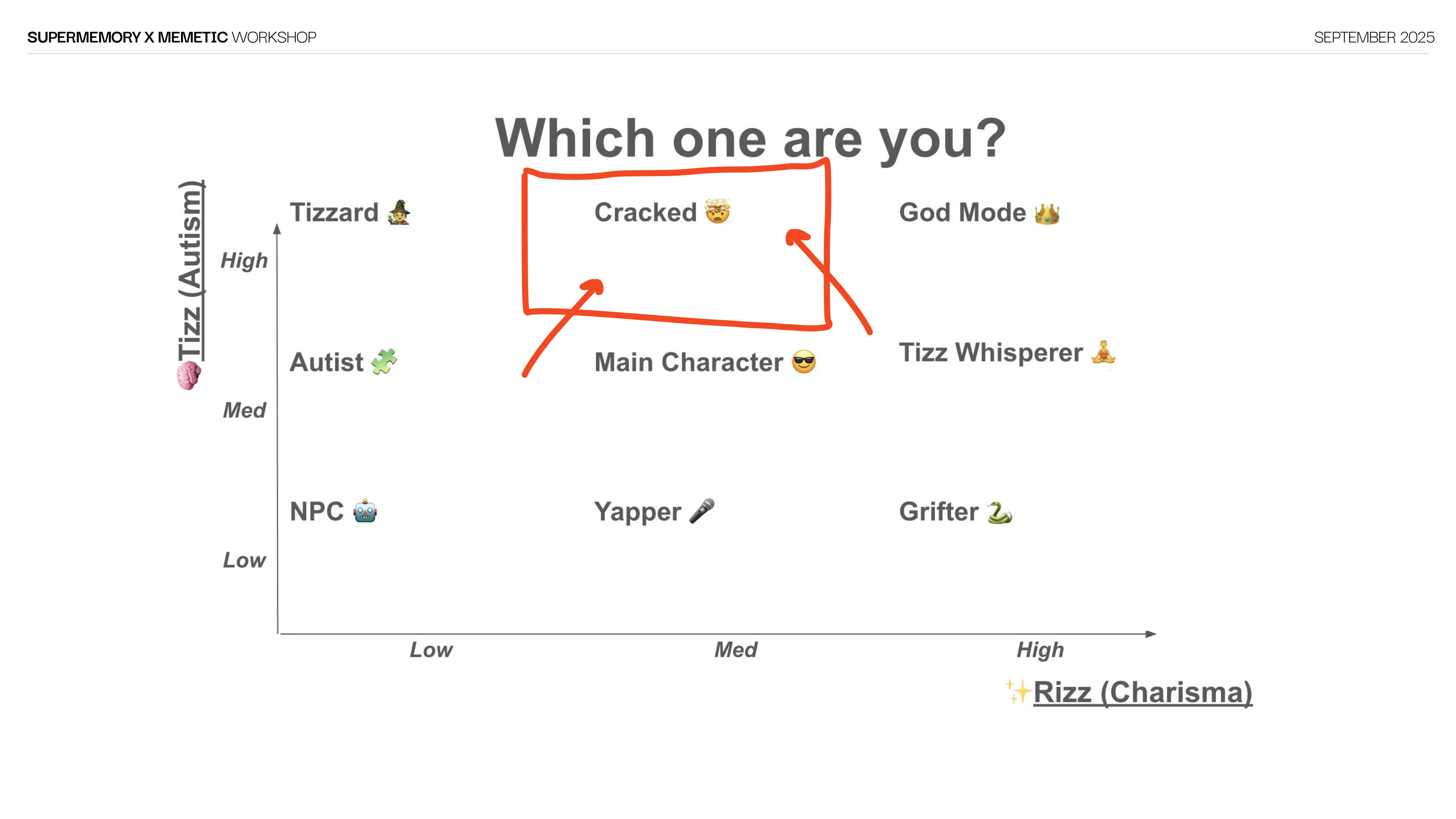
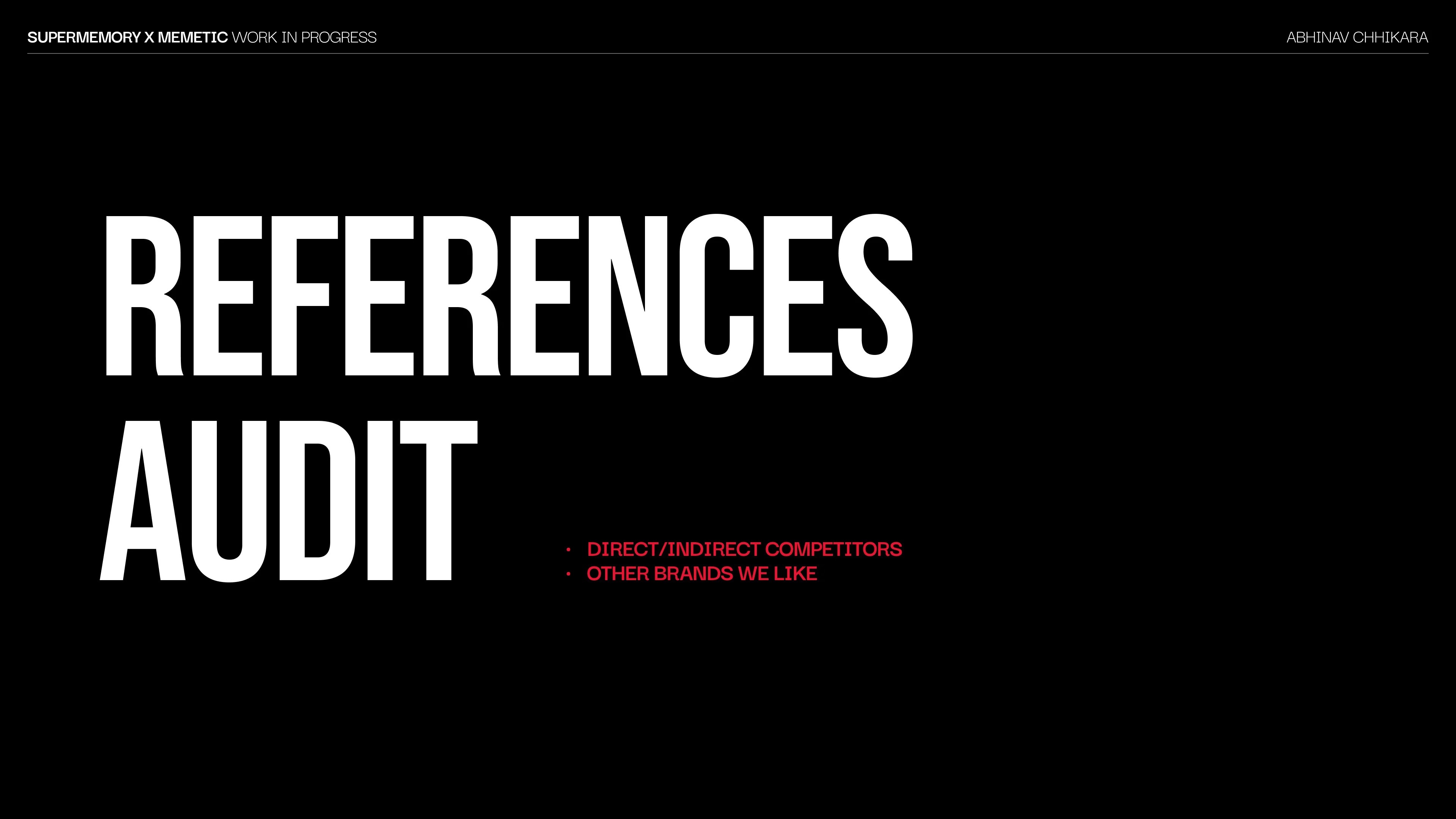
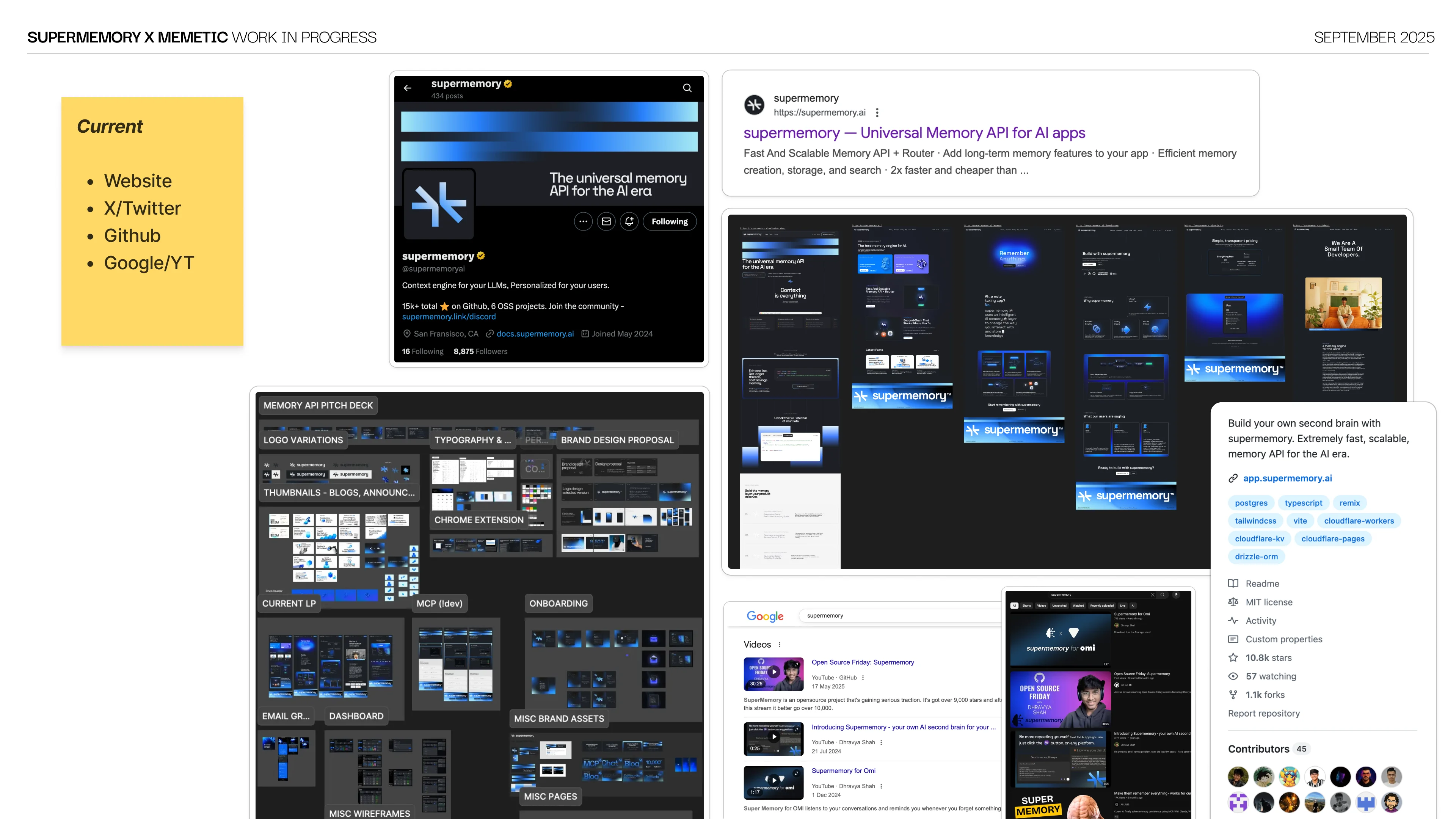
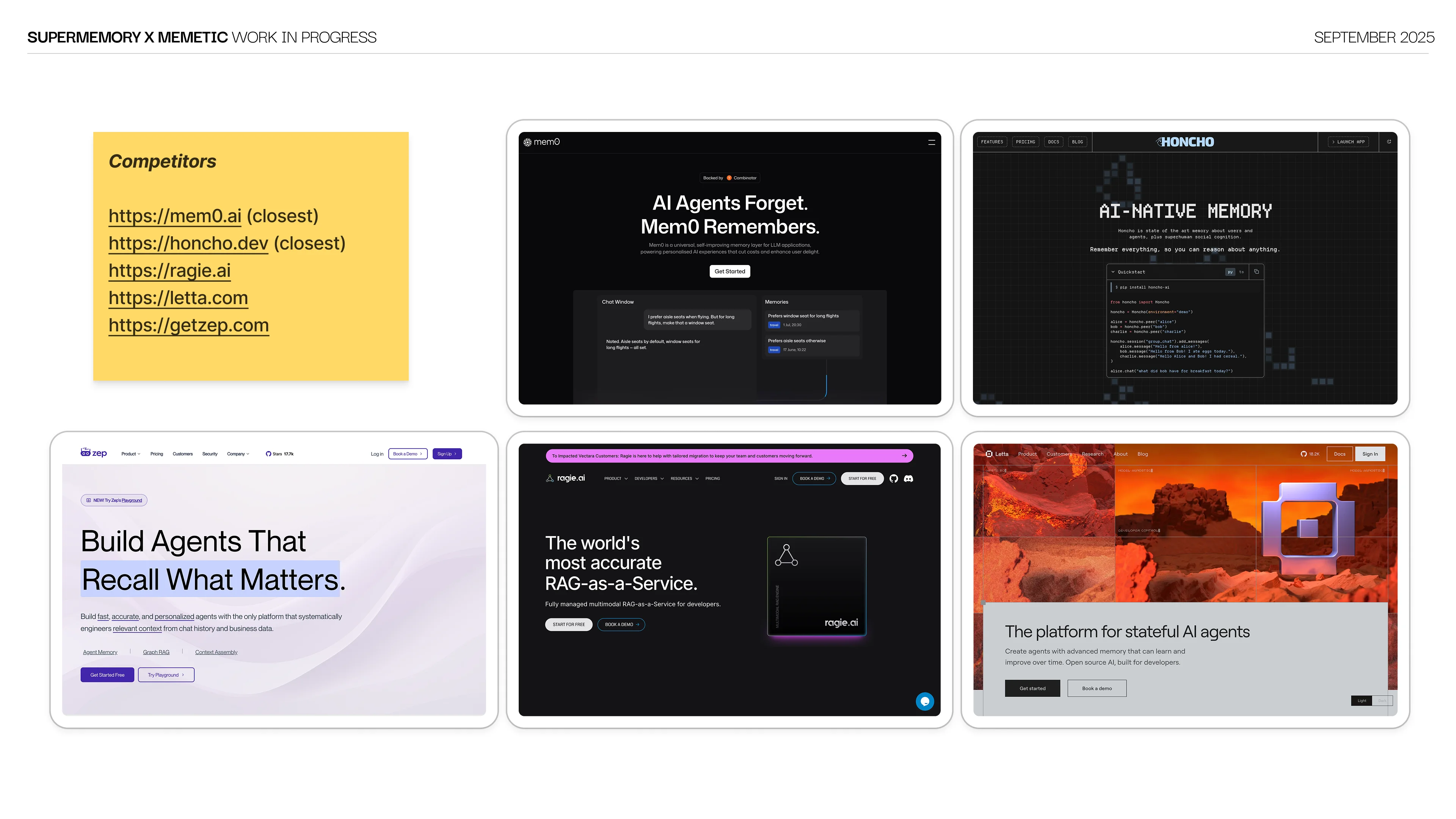
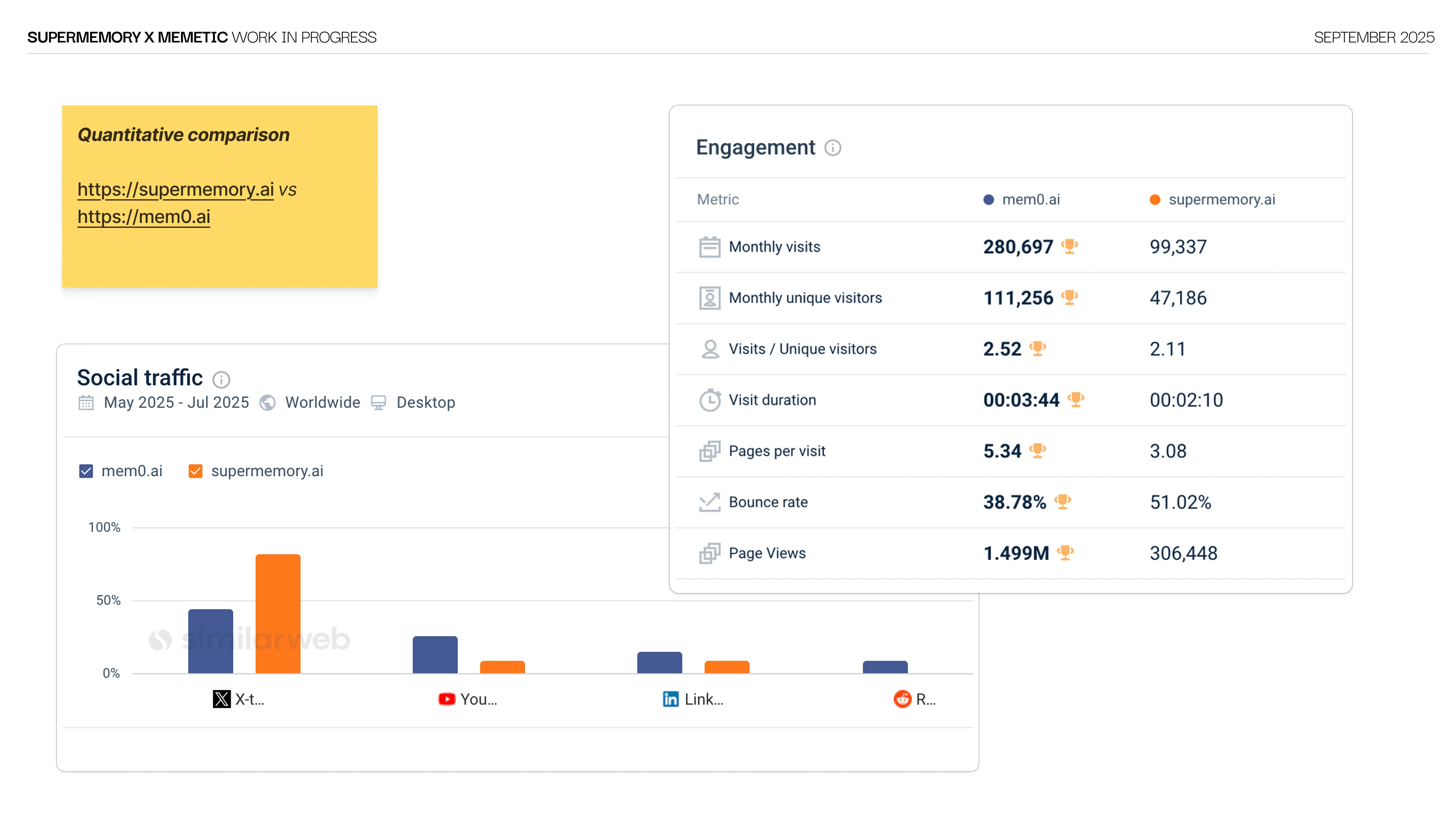
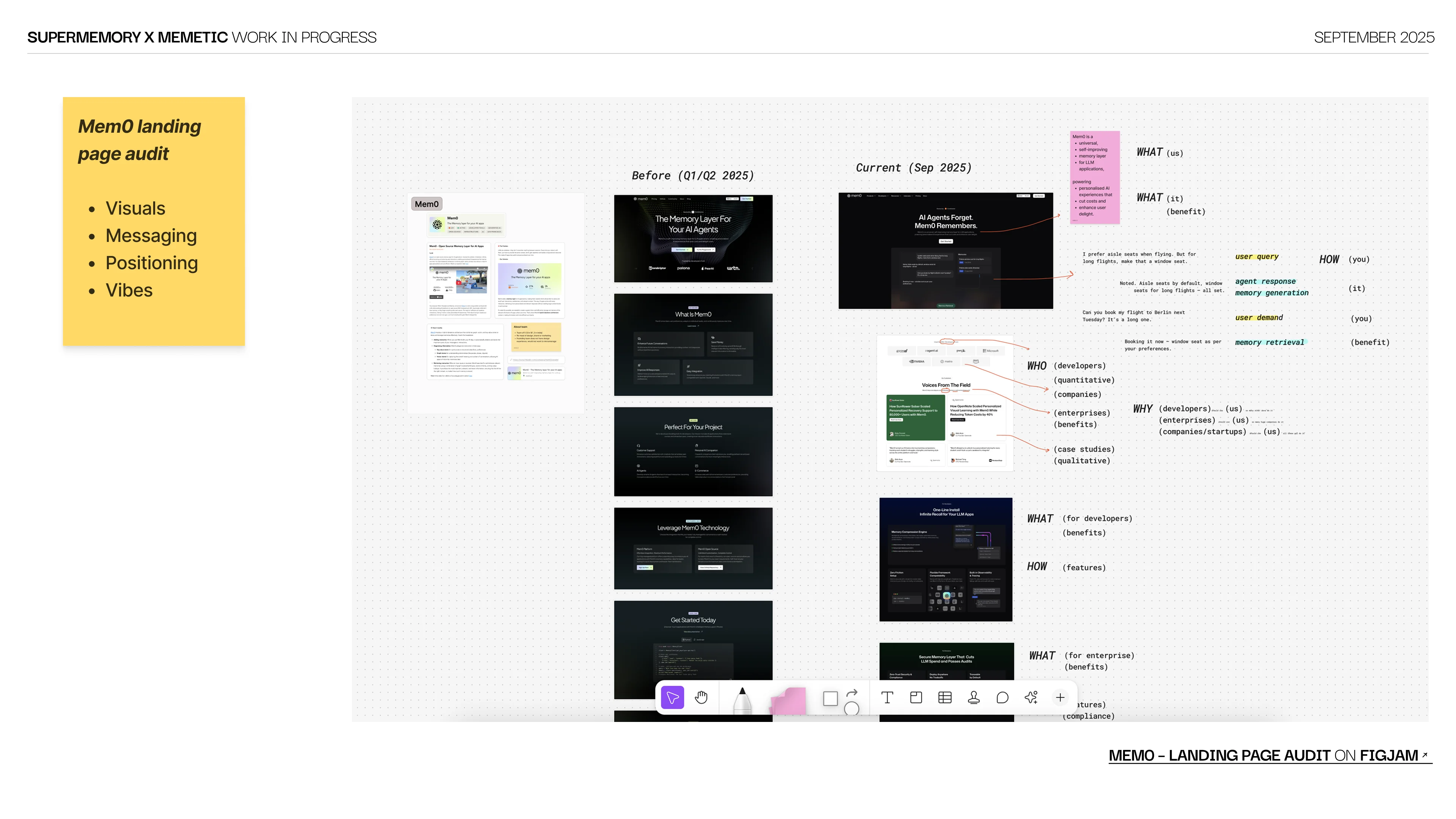
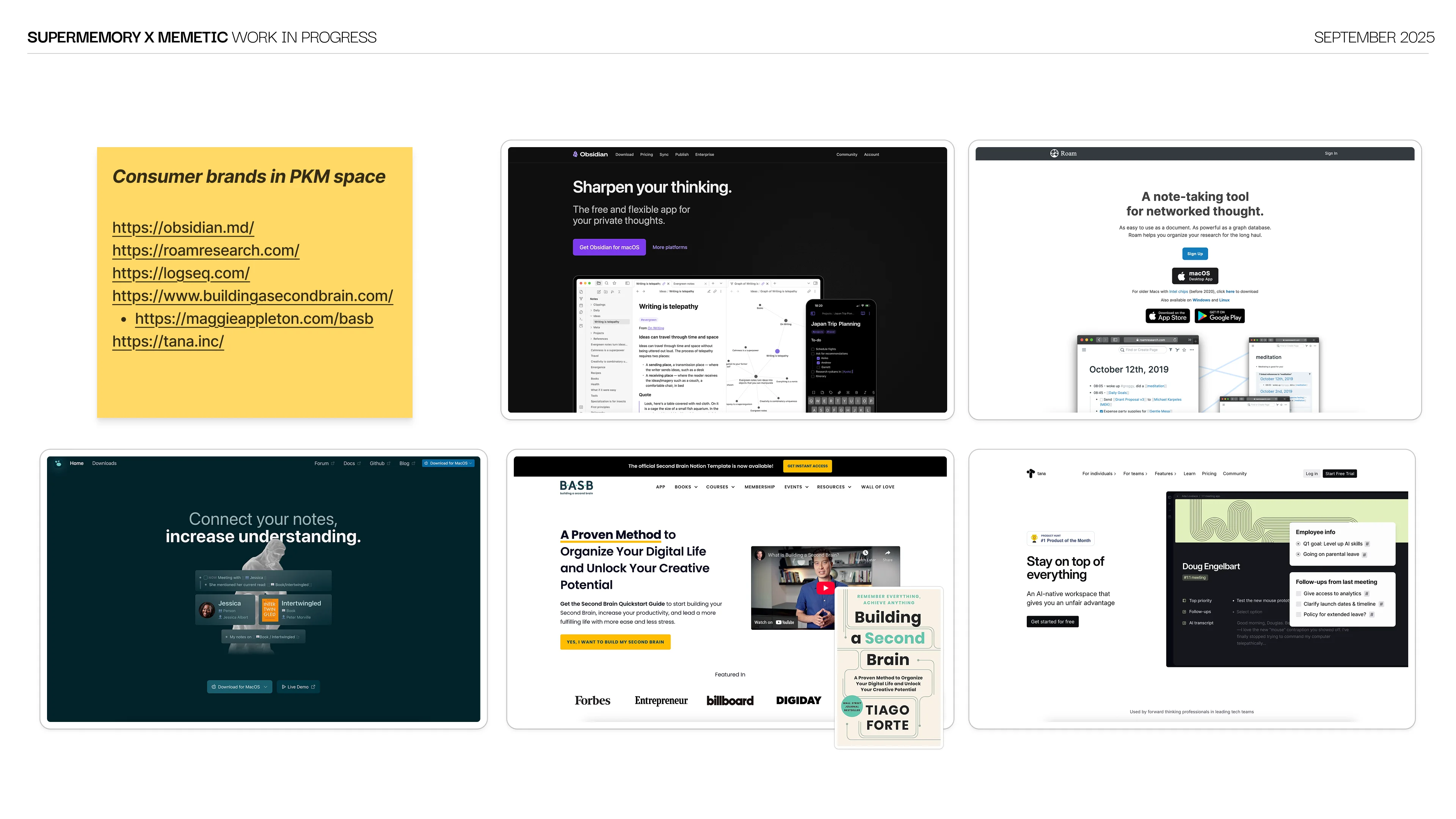
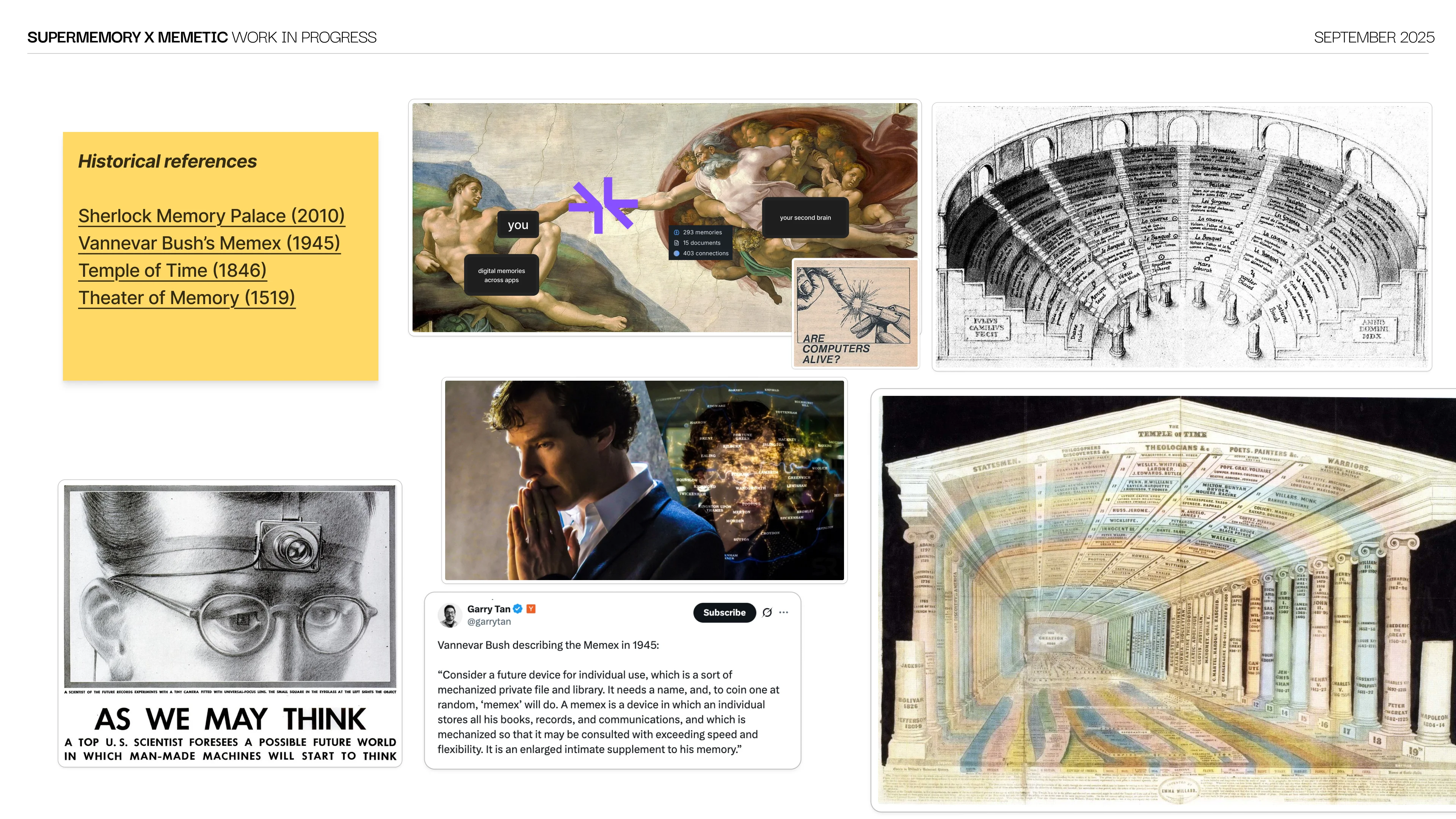
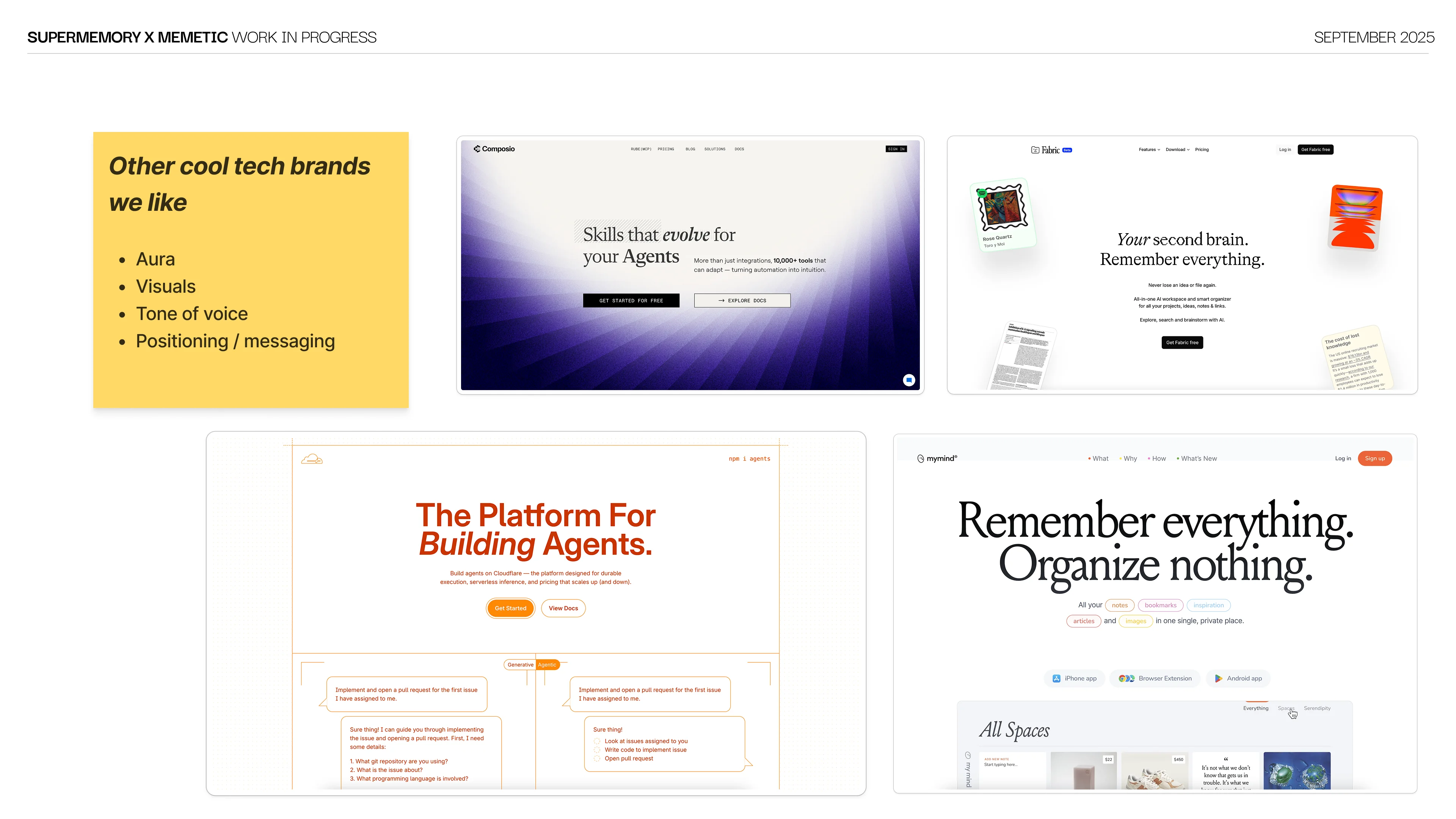
We ran a custom brand workshop with Dhravya, CEO and founder of Supermemory. Product deep-dive, competitor mapping and audience definition, all pre-researched from our side. The workshop gave us a window into the founder's thinking and the reasoning behind product decisions. We synthesized the session with AI and call transcripts into brand direction ideas that shaped every design decision moving forward.
Figma Iterations
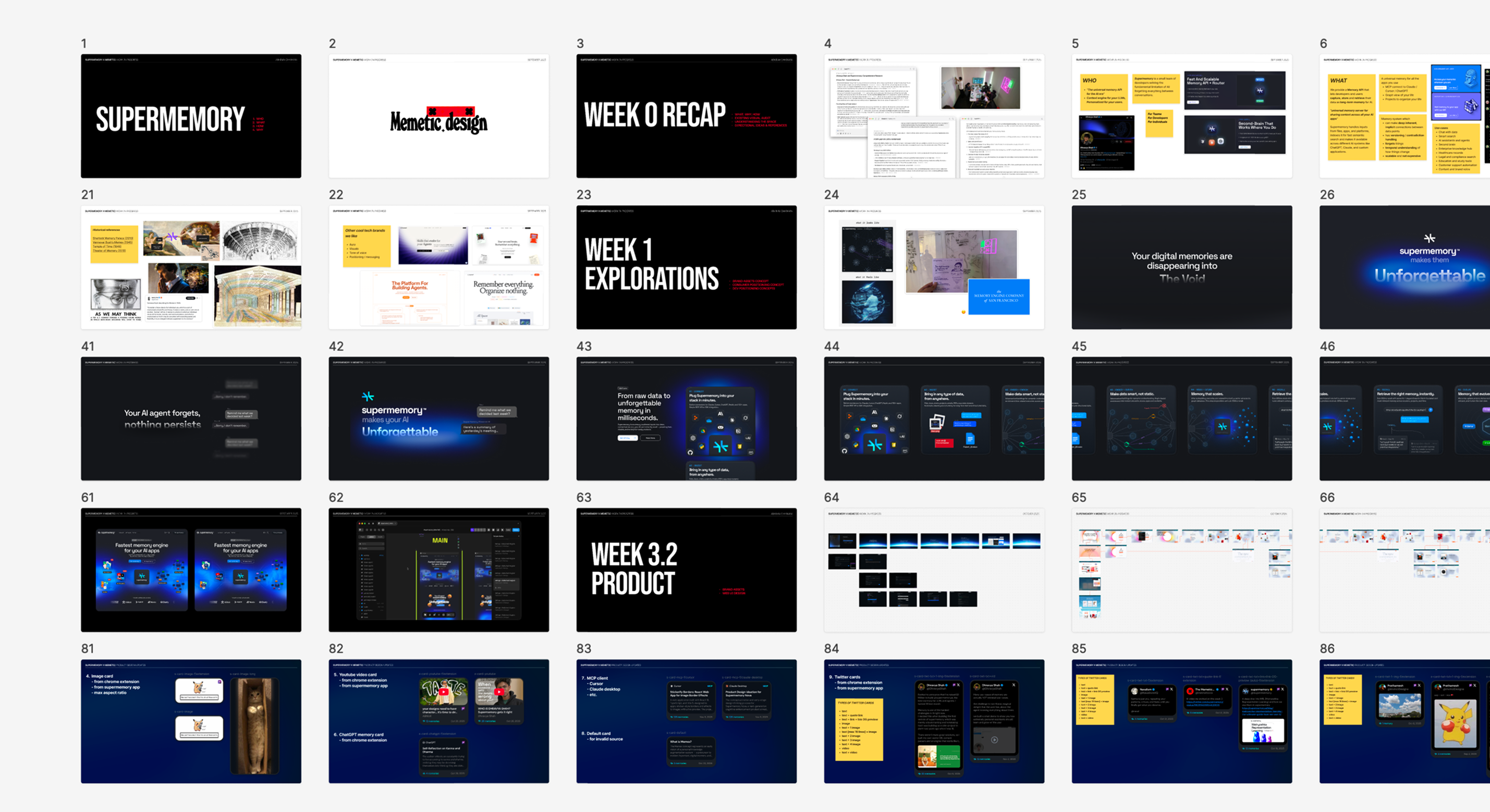
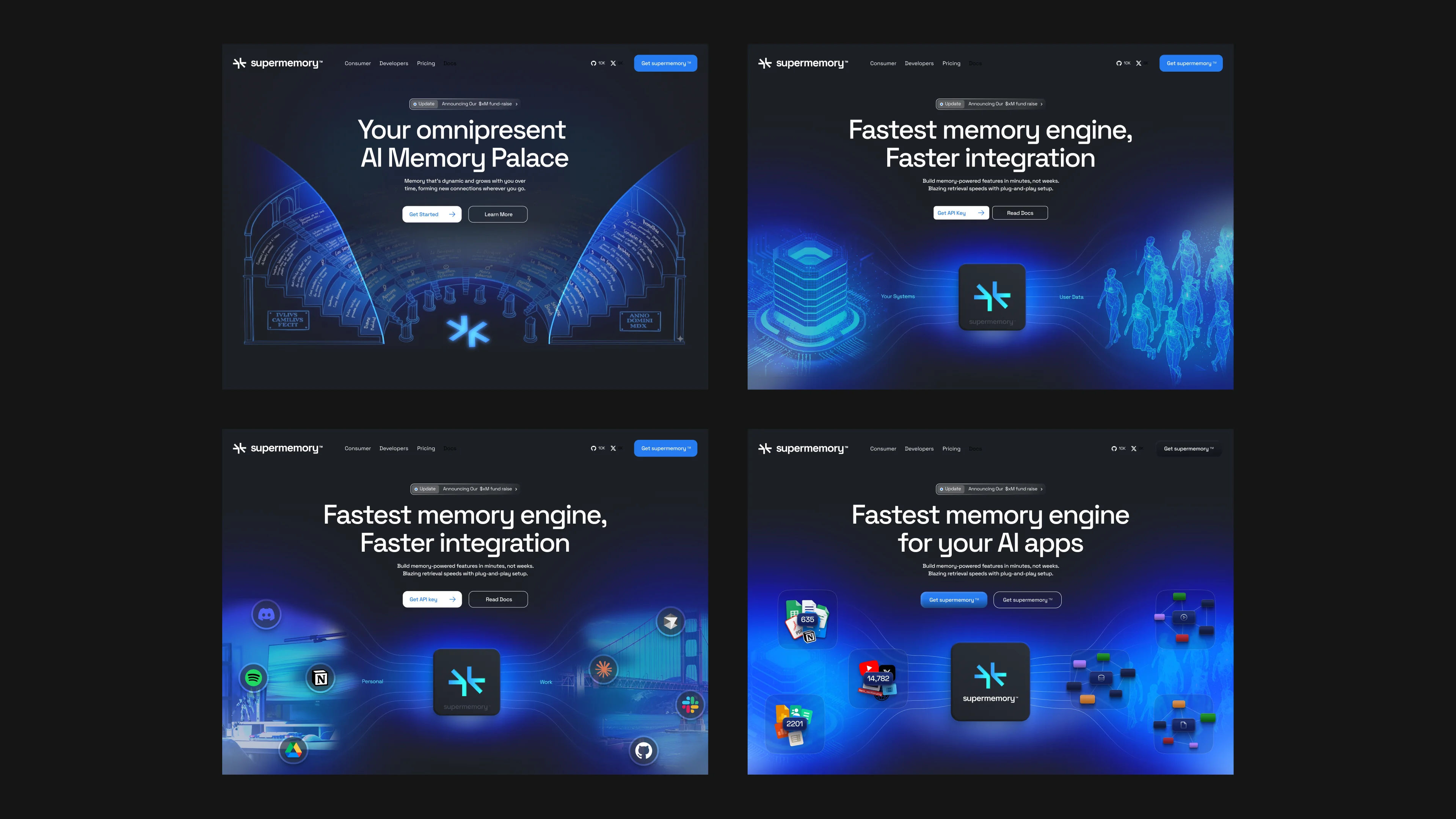
From the workshop synthesis we started exploring visual directions in Figma. The goal was to go wide, try divergent ideas and form a brand story that resonated with the client. Insights from the workshop guided every iteration.
Figma BTS
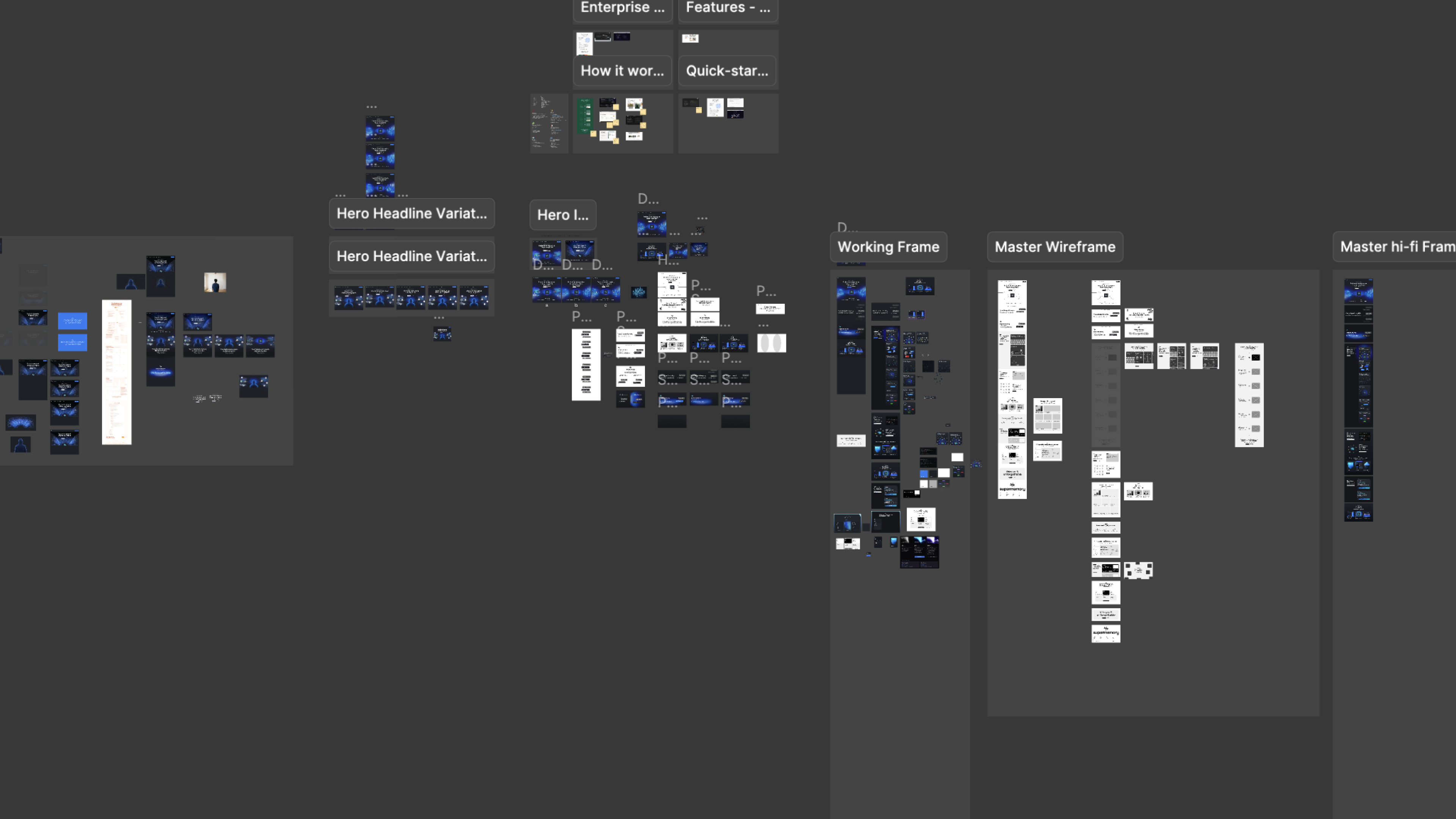
900+ Figma frames across the project. We distilled iterations into a color system, type scale and spacing tokens that held across every surface from marketing to product and videos.
Client Feedback: V1
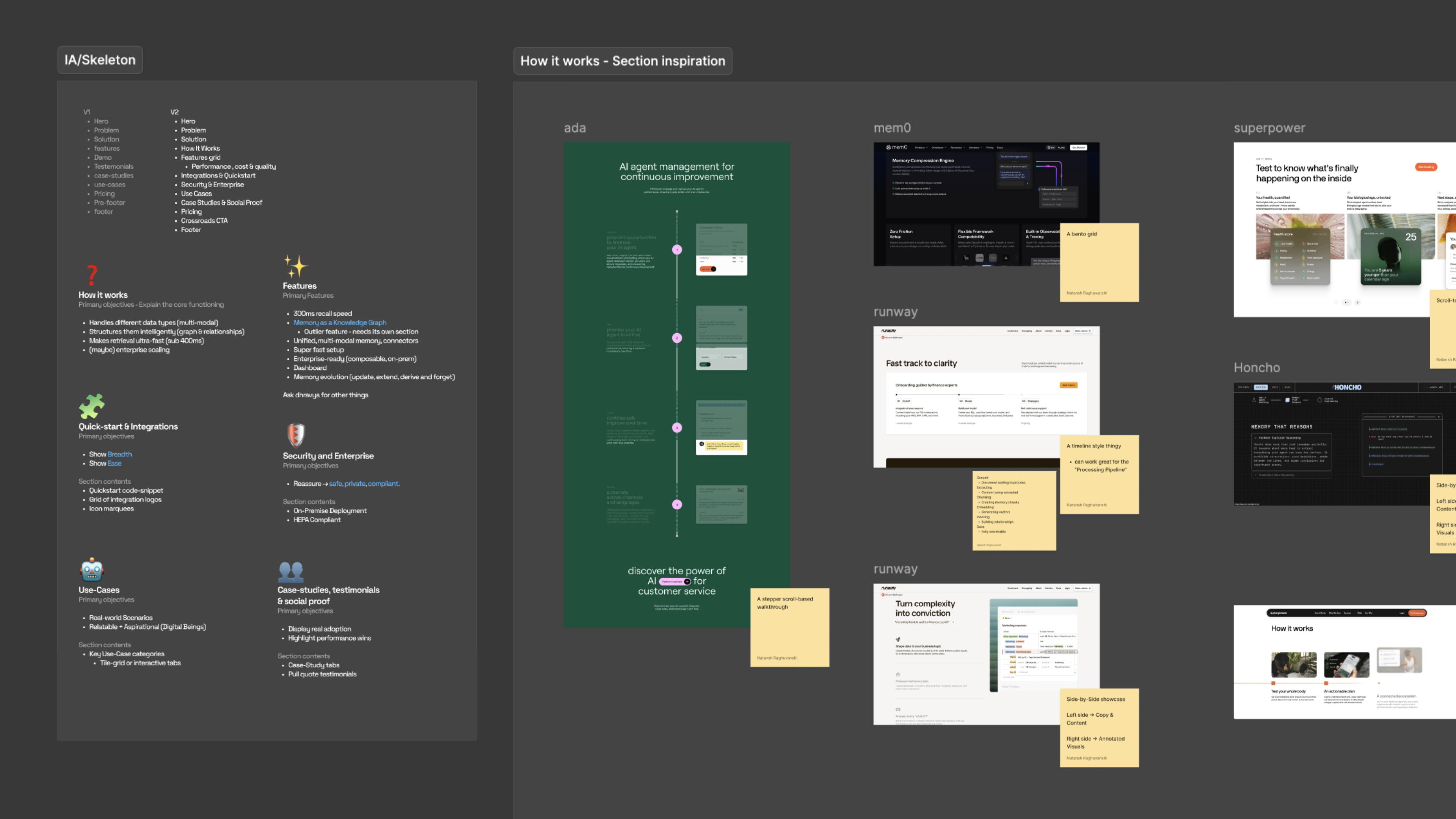
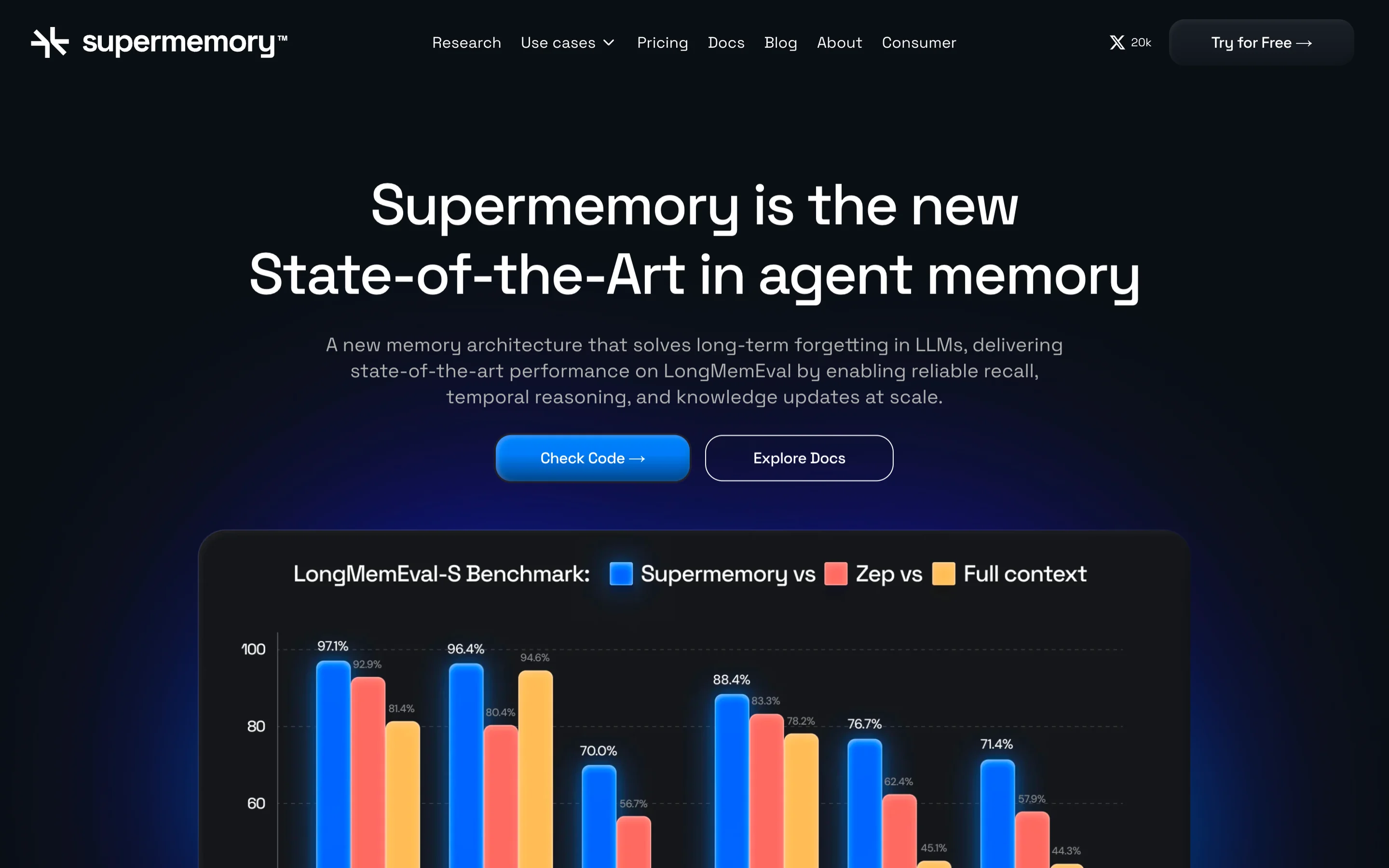
V1 shipped alongside the fundraise announcement in under a month. Five unique pages designed and built. Within days, feedback from investors, customers and mentors surfaced what the site was missing. We ran a 7-day design sprint to add and iterate on sections without changing the visual language.
Website V2
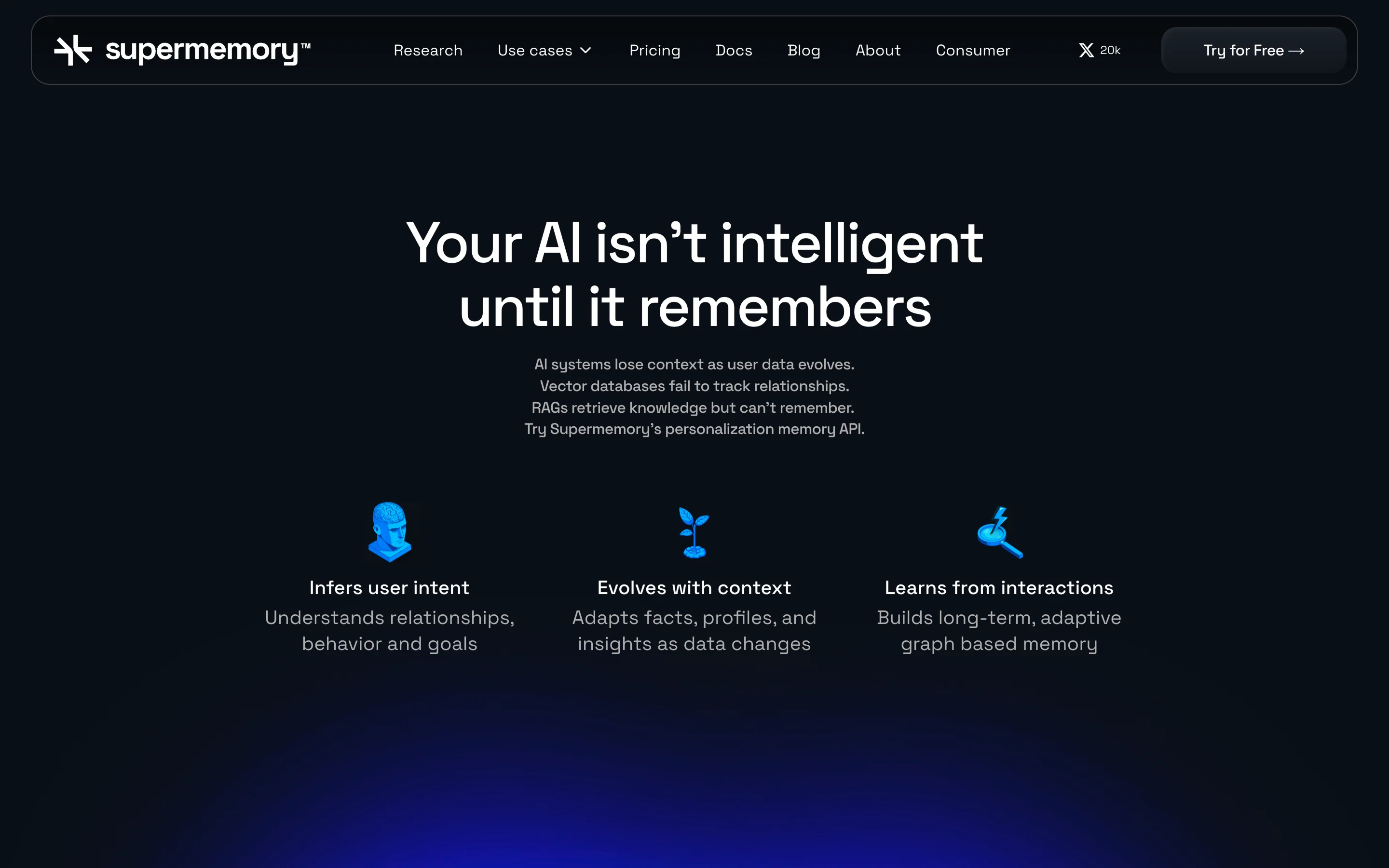
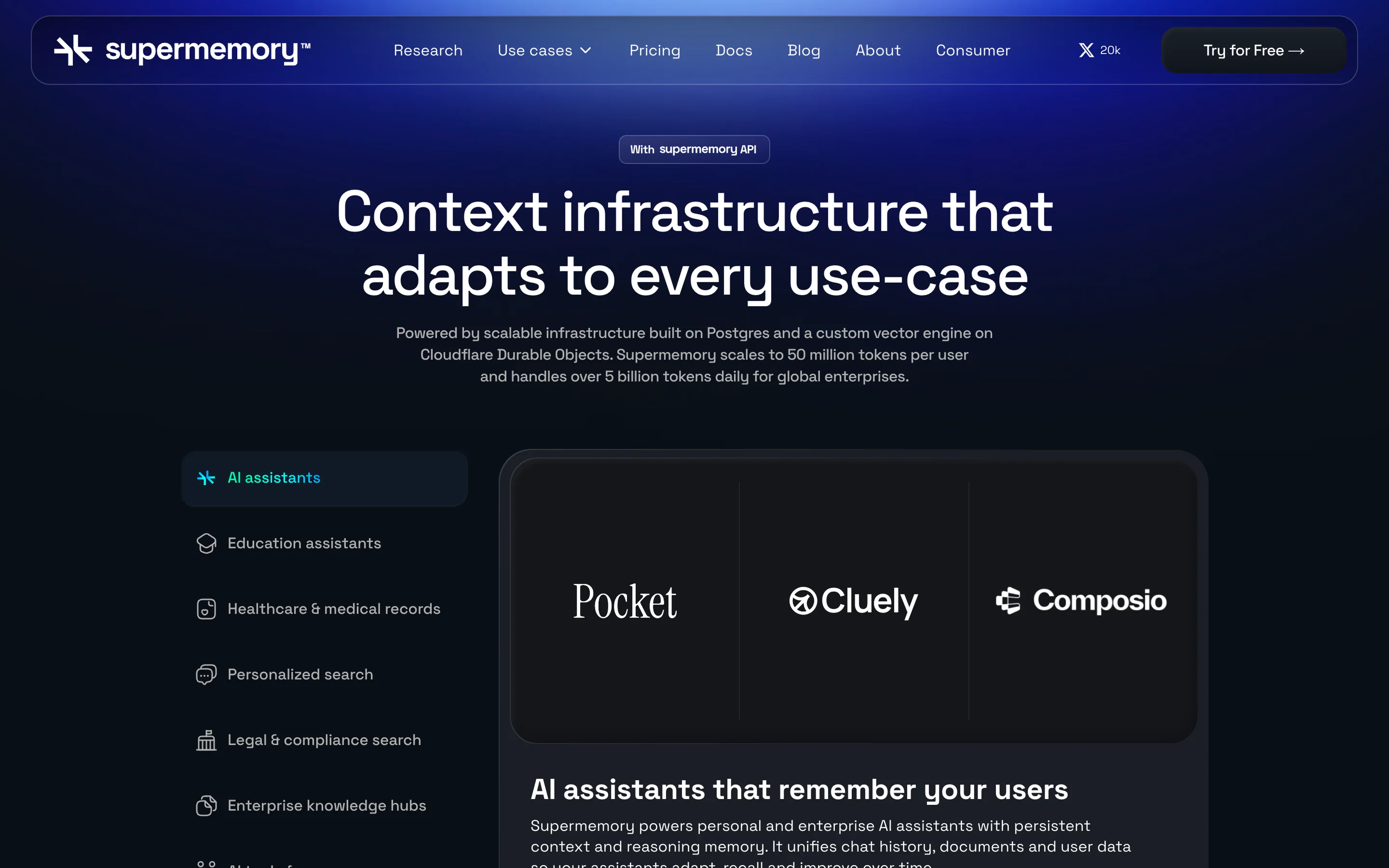
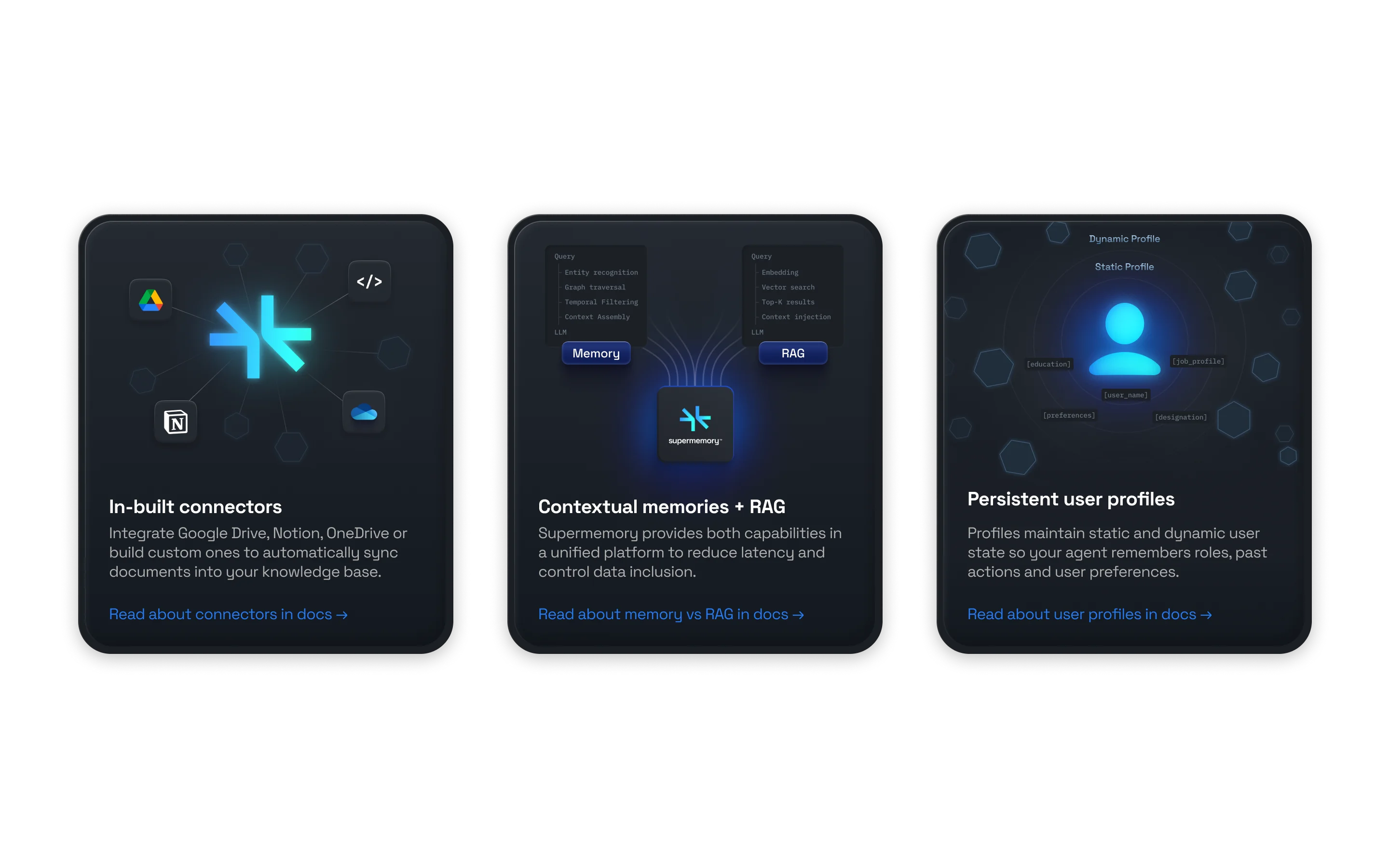
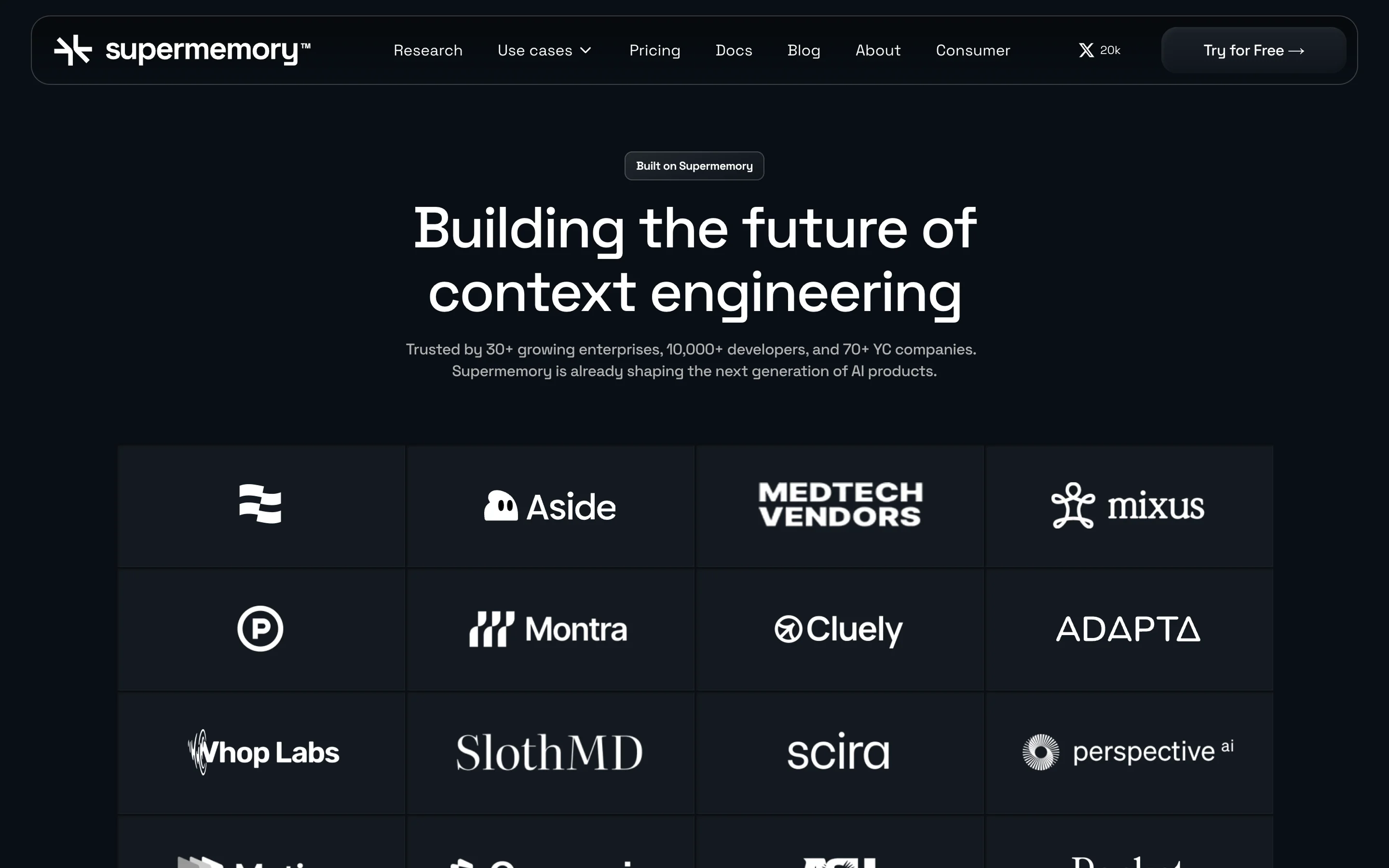
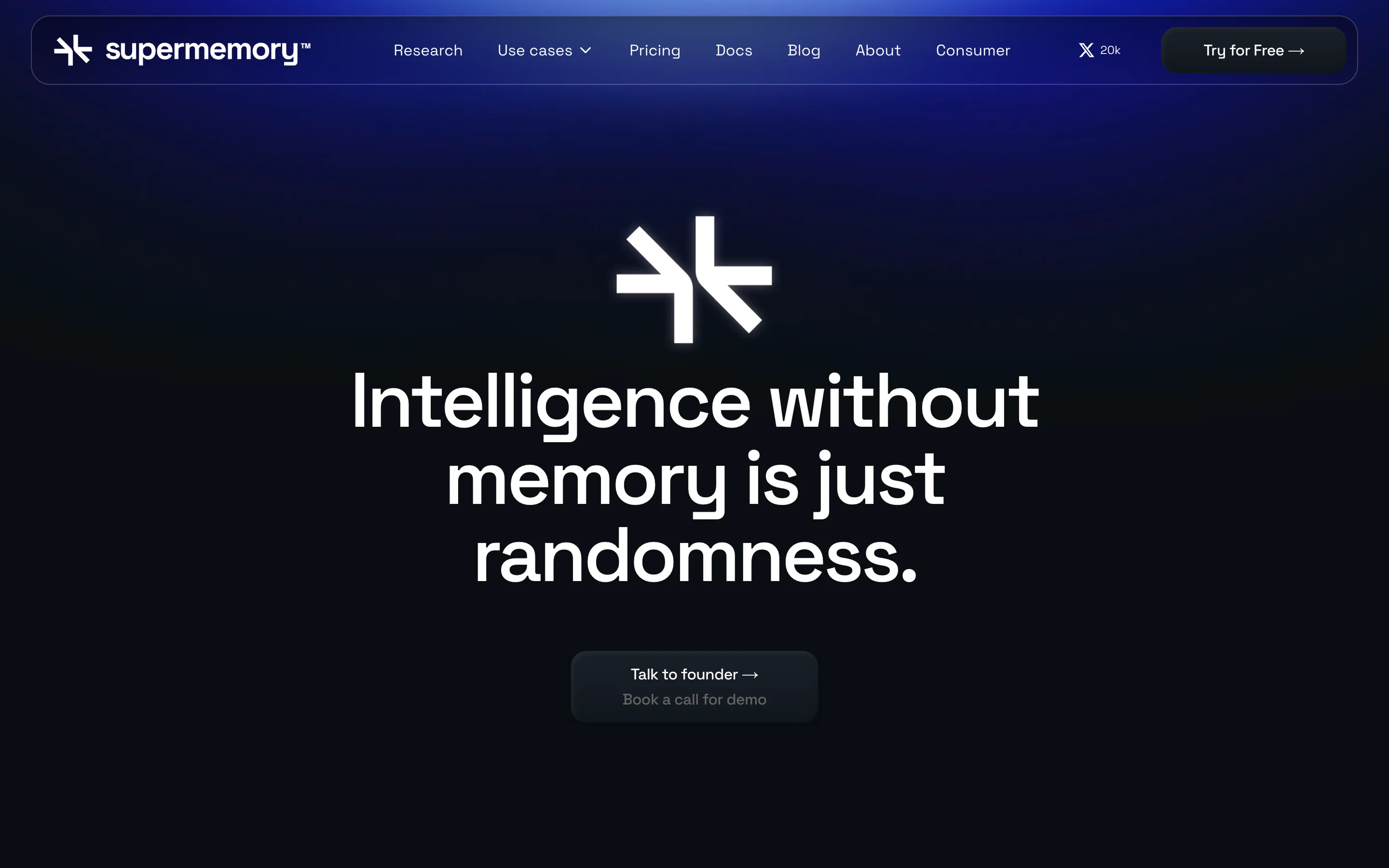
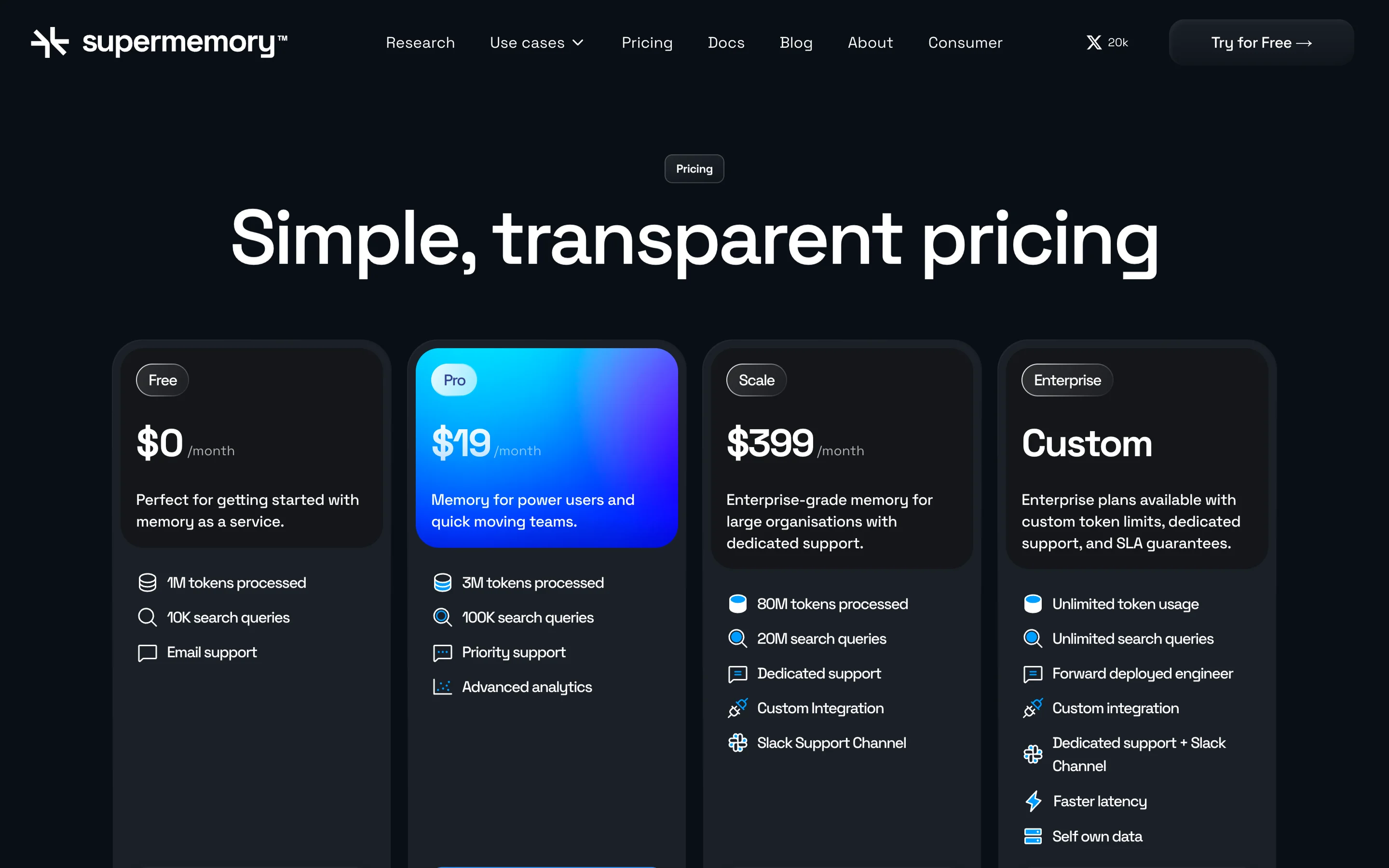
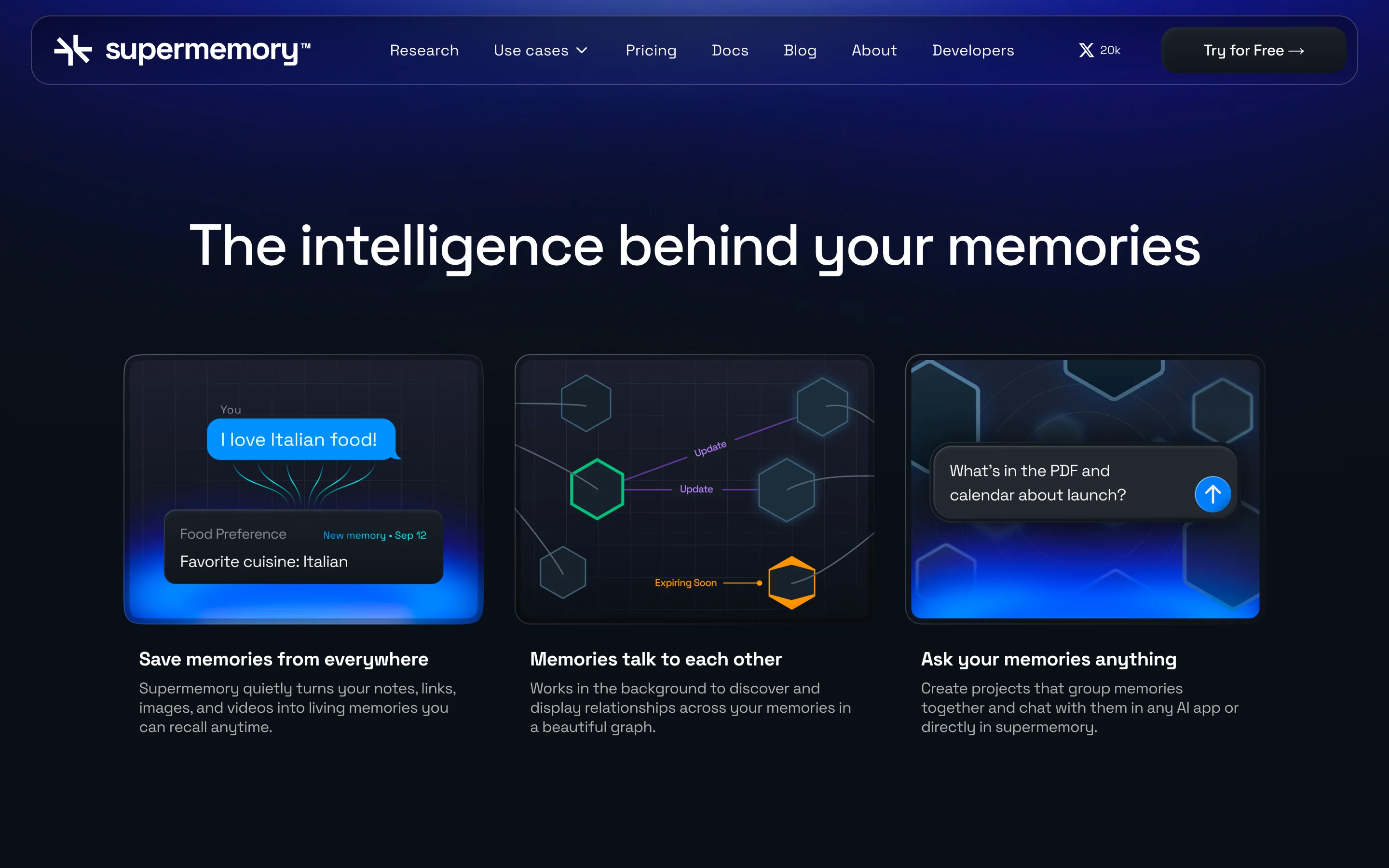
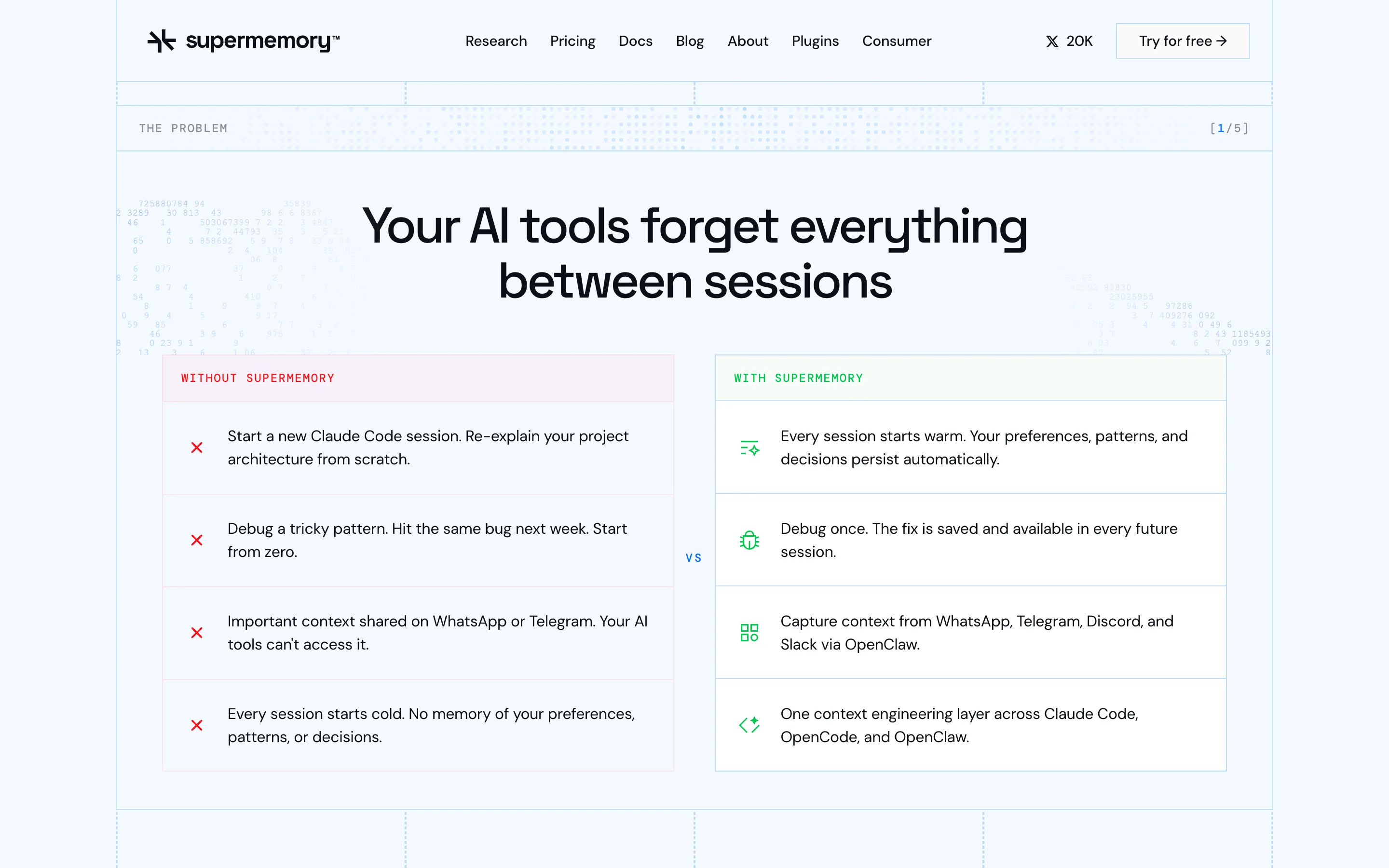
V2 was a quick IA revamp. We added new sections, restructured the information hierarchy and built out pages the first version missed. Use-case sections, enterprise-focused cards and major copy changes across the site. We also shipped industry-specific templatized pages targeting different customer segments.
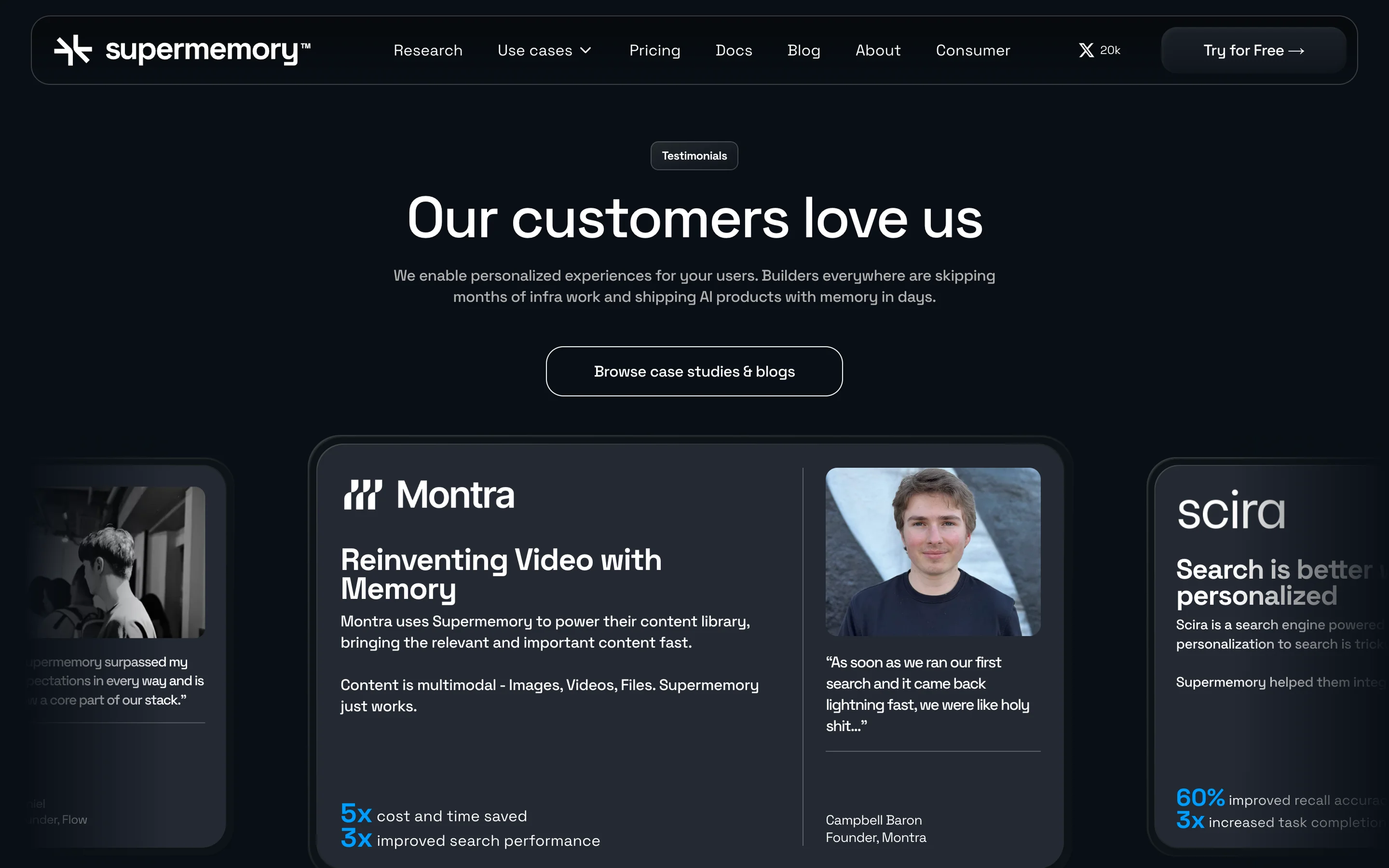
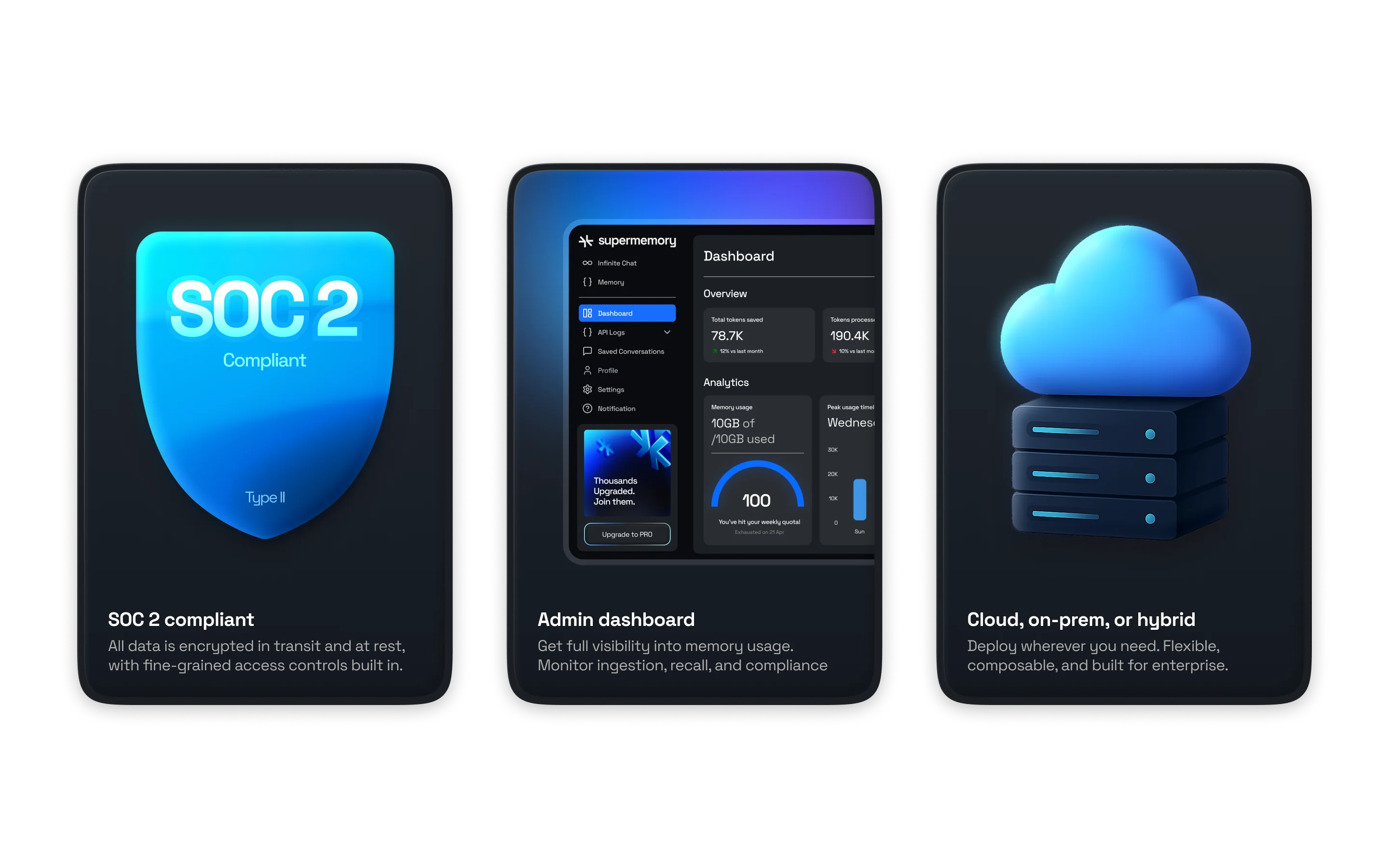
Figma to Framer
We designed in Figma and built in Framer simultaneously, cutting delivery by two days. We also set up templatized pages with a custom CMS so the team could spin up new pages on their own.
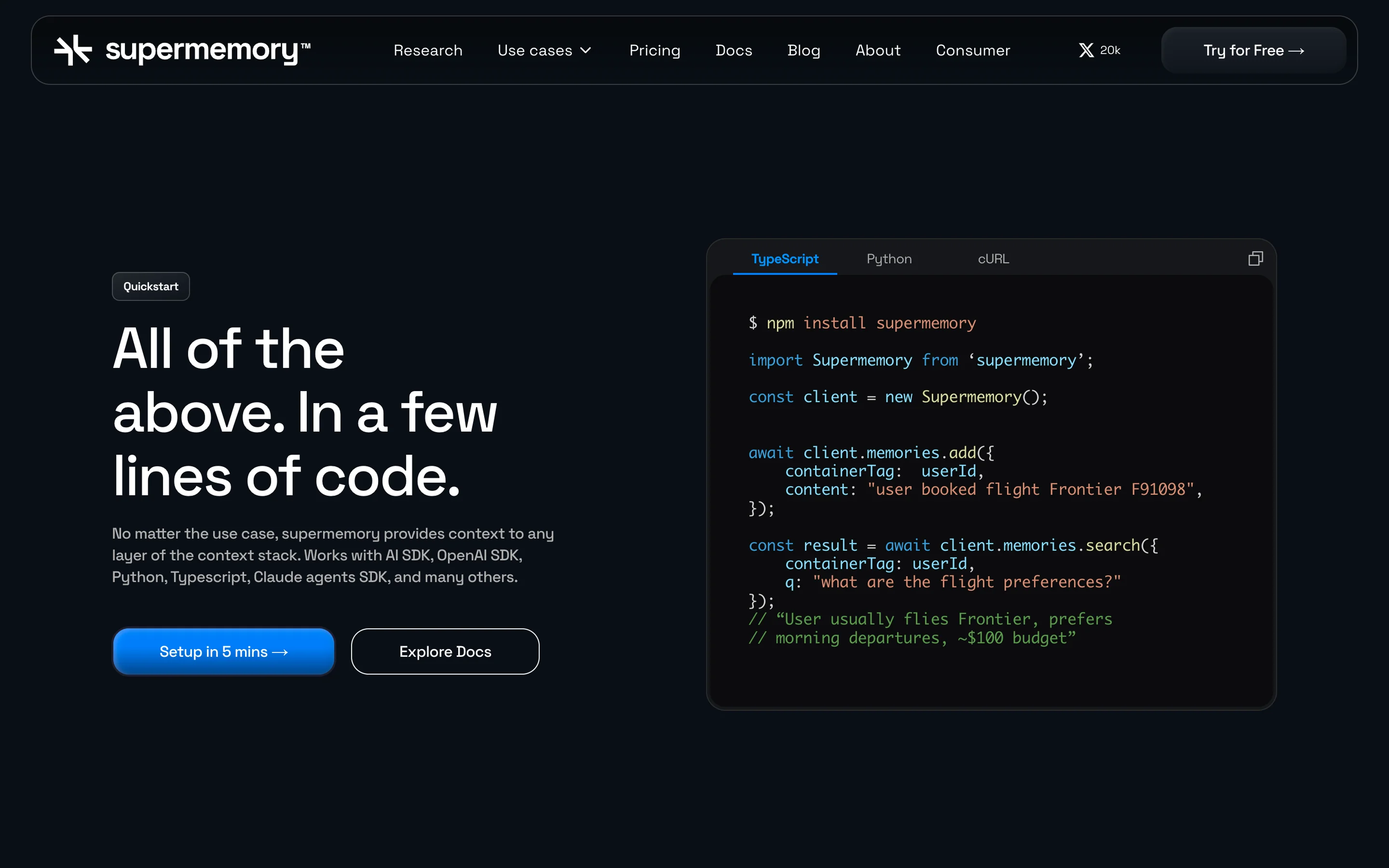
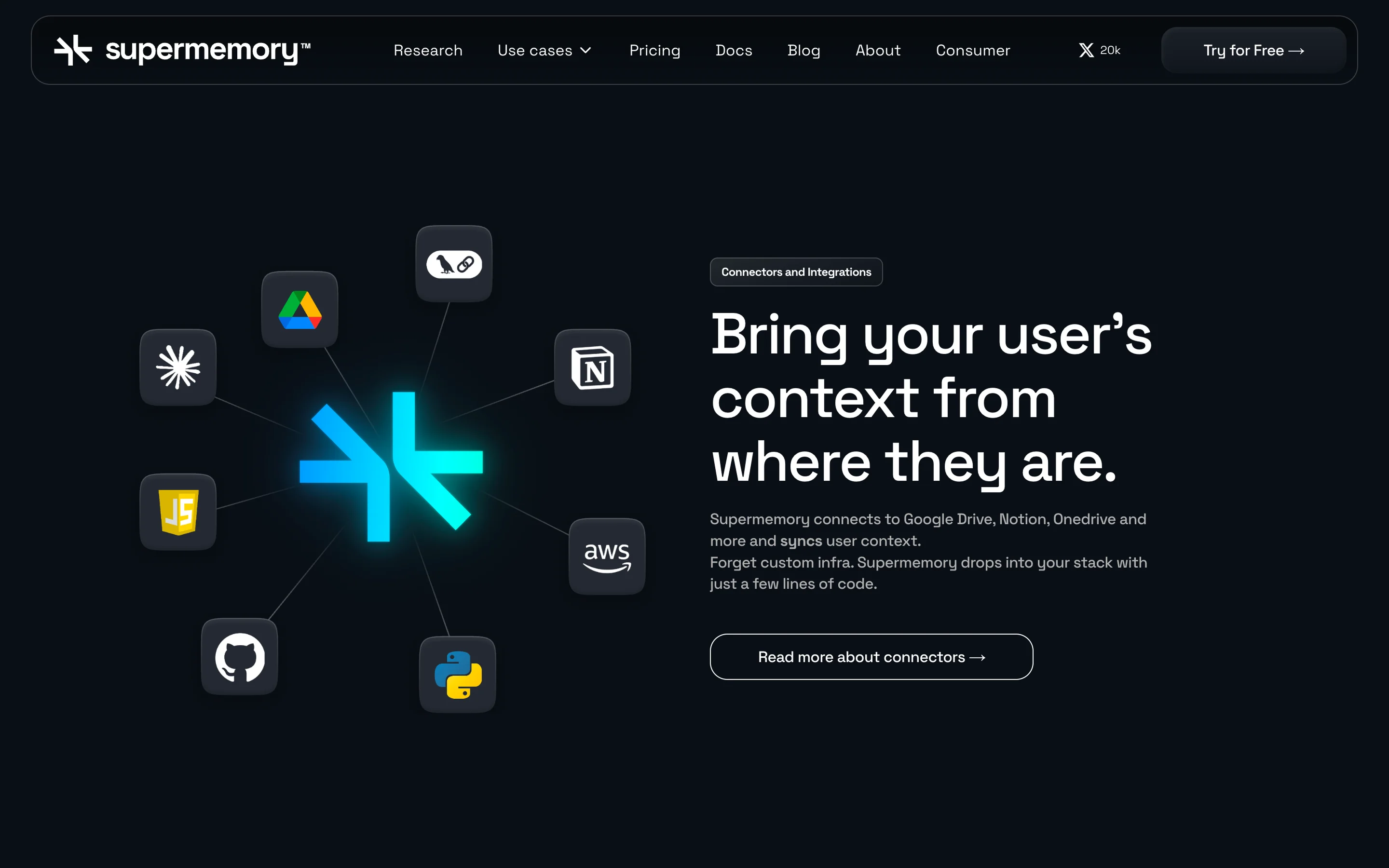
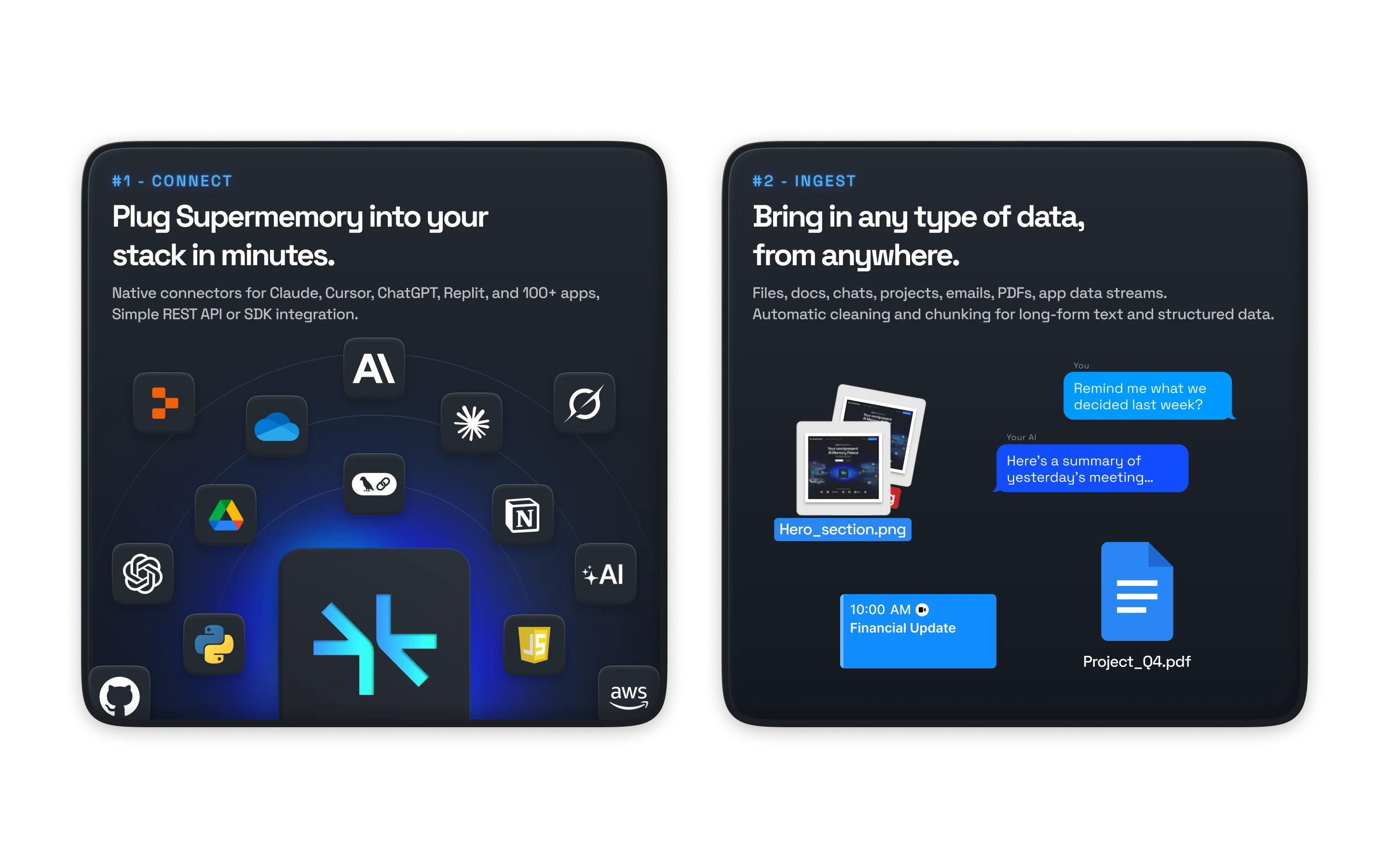
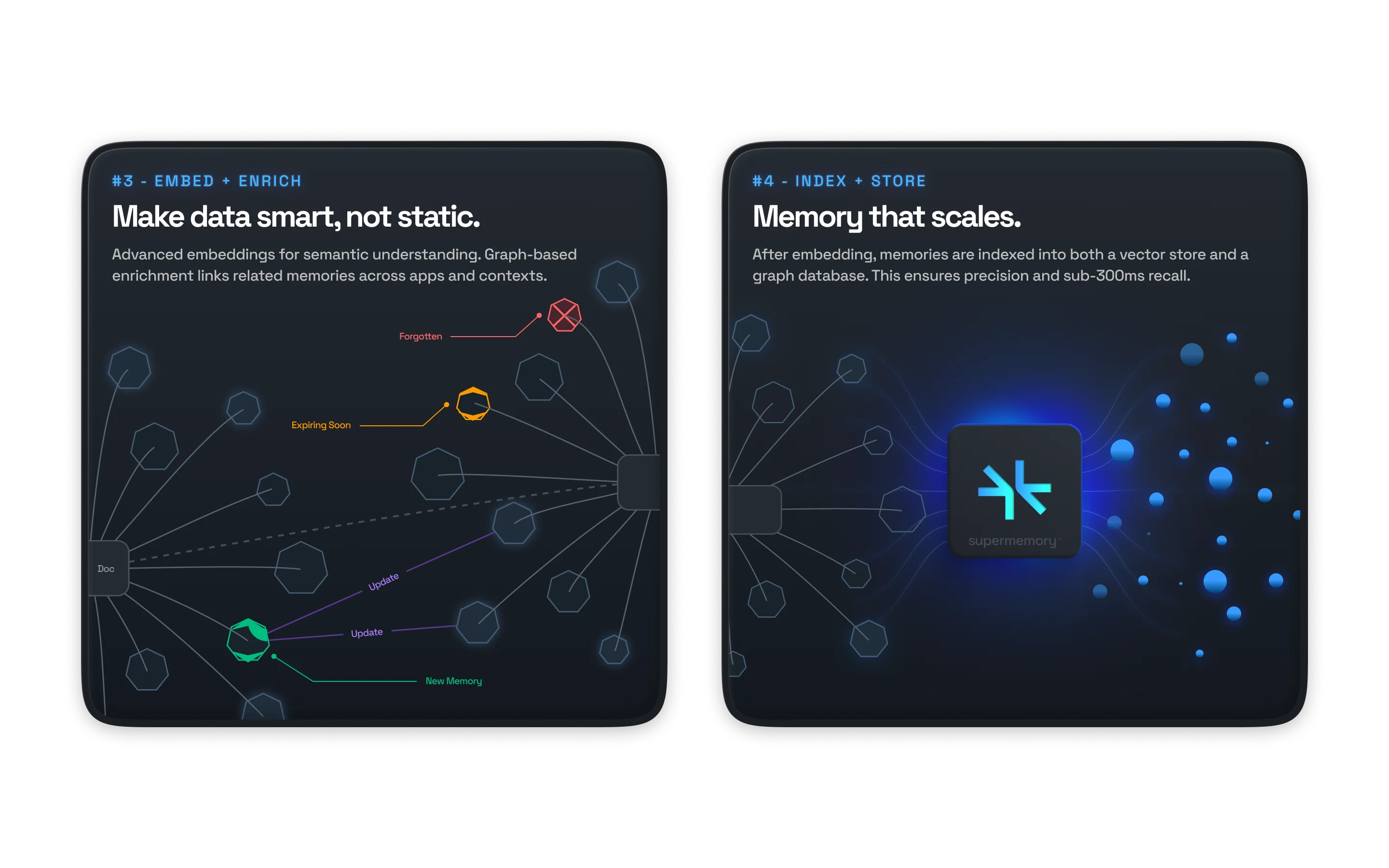
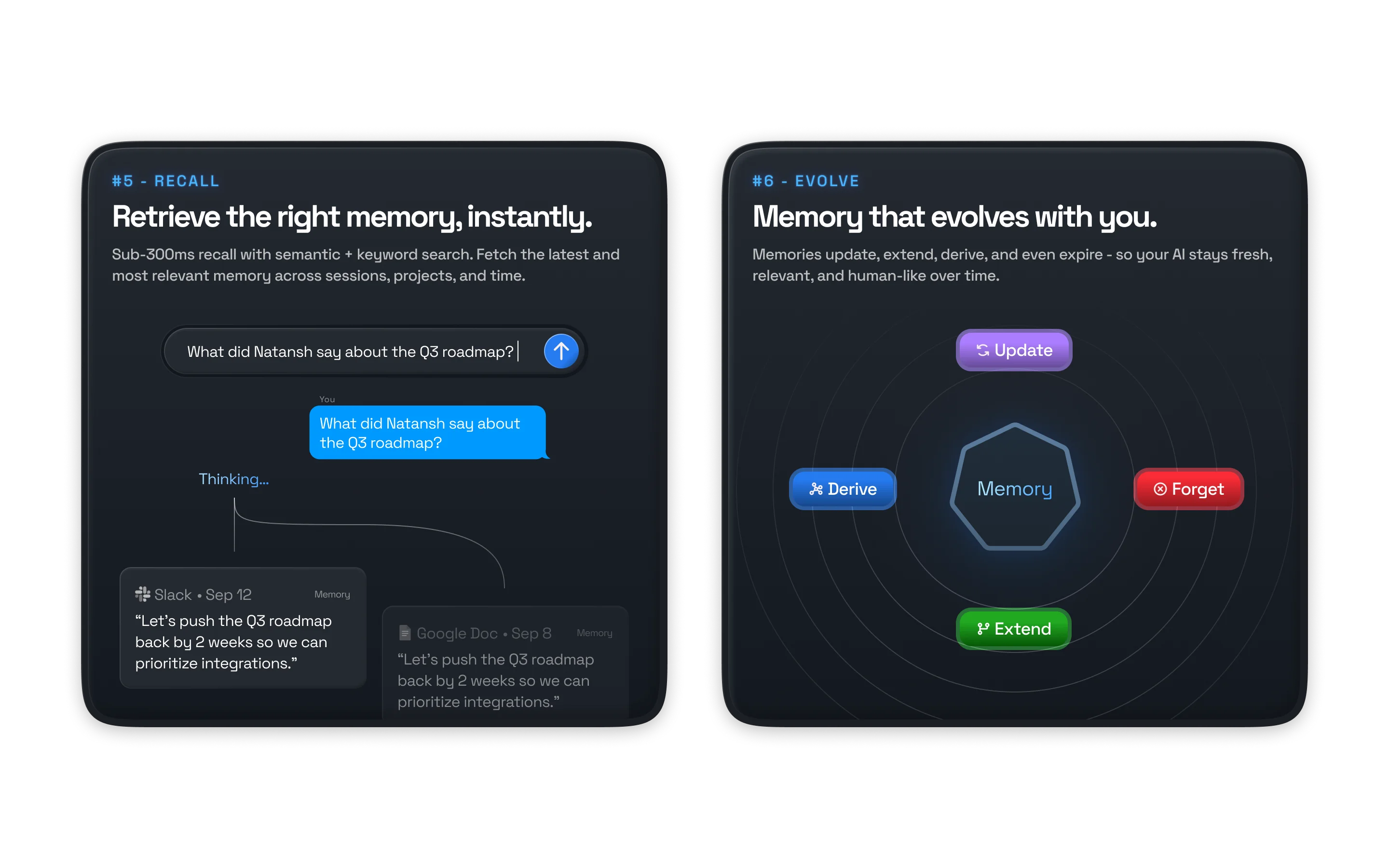
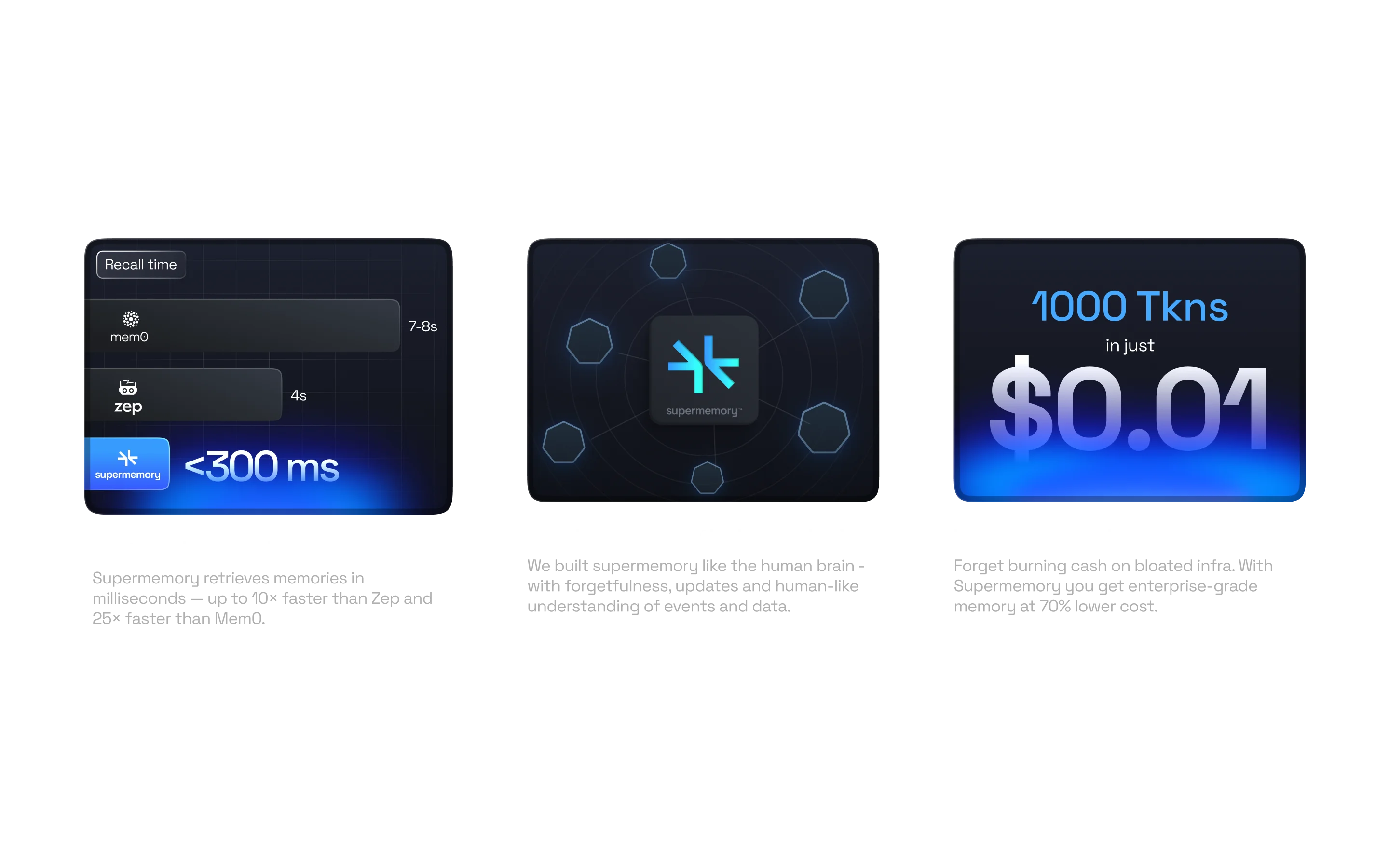
The Research Page
The client needed a custom page to publish their research. We designed and developed it with multiple rounds of feedback in Figma and Framer. The research page shipped in under 24 hours.
Client Feedback: Three Verticals
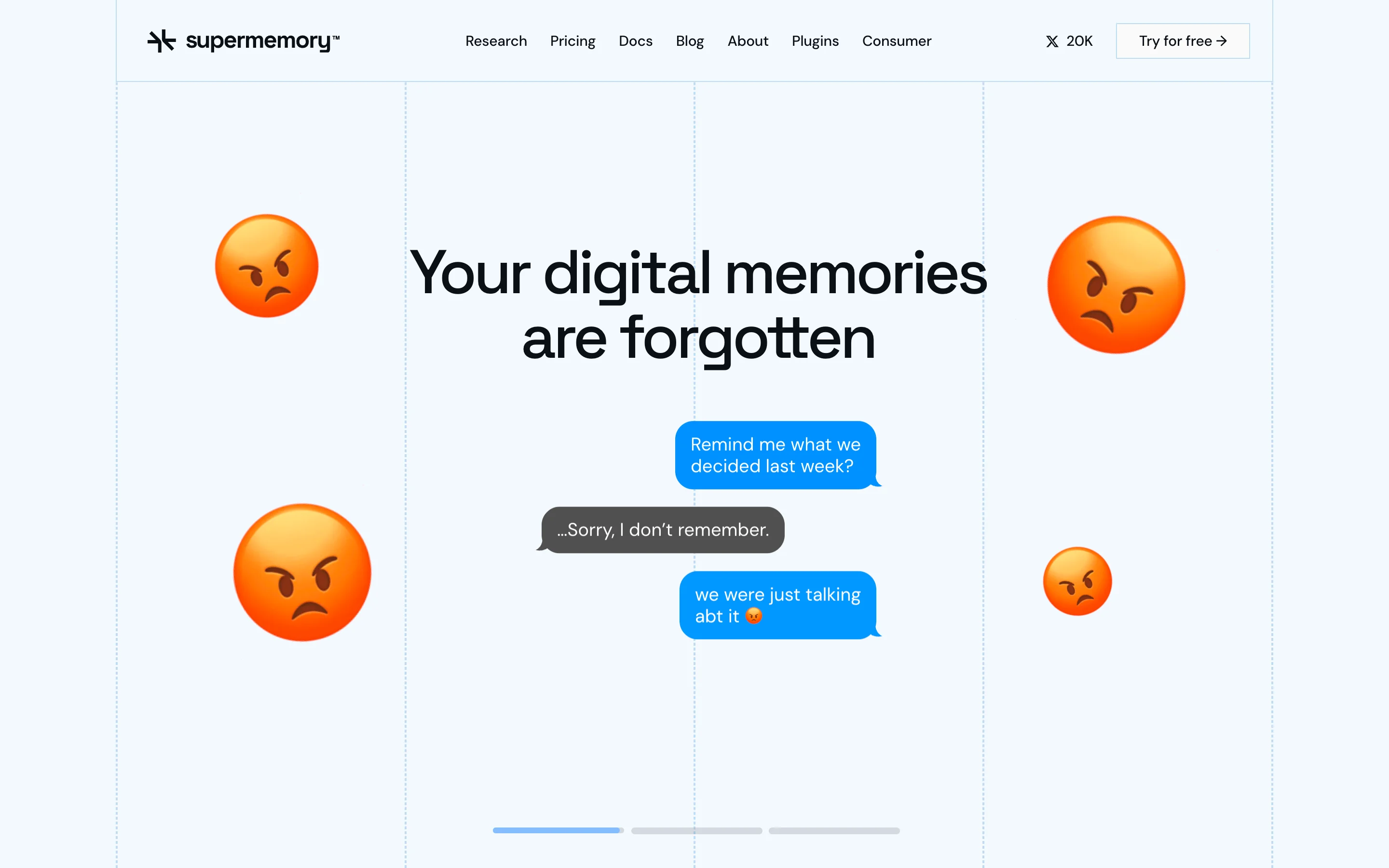
As the product matured, three distinct verticals emerged: enterprise (API/SDK), plugins (ecosystem integrations) and consumer (Nova). The existing site couldn't serve all three. Dhravya and the team needed a complete restructure, not another patch.
Website V3
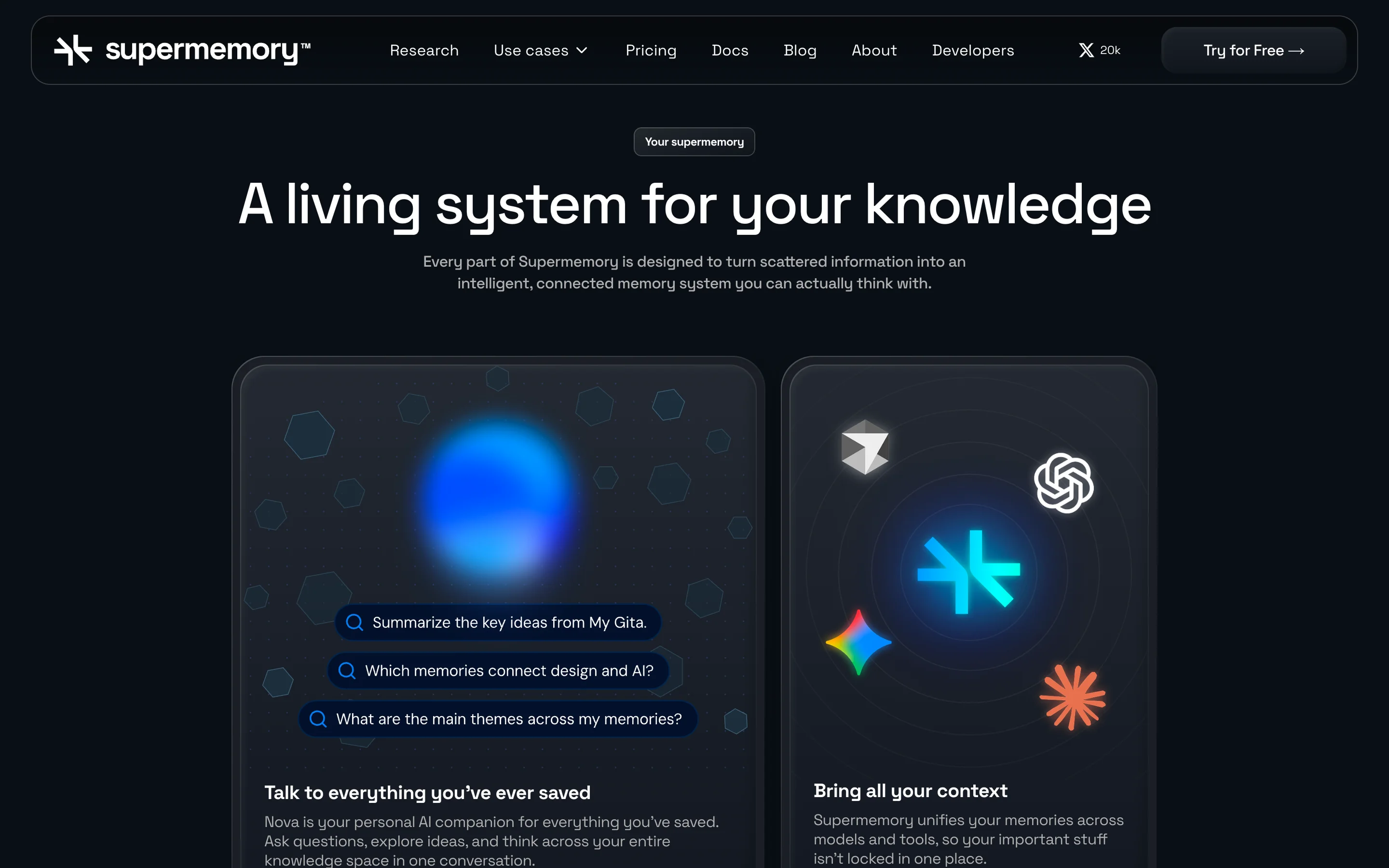
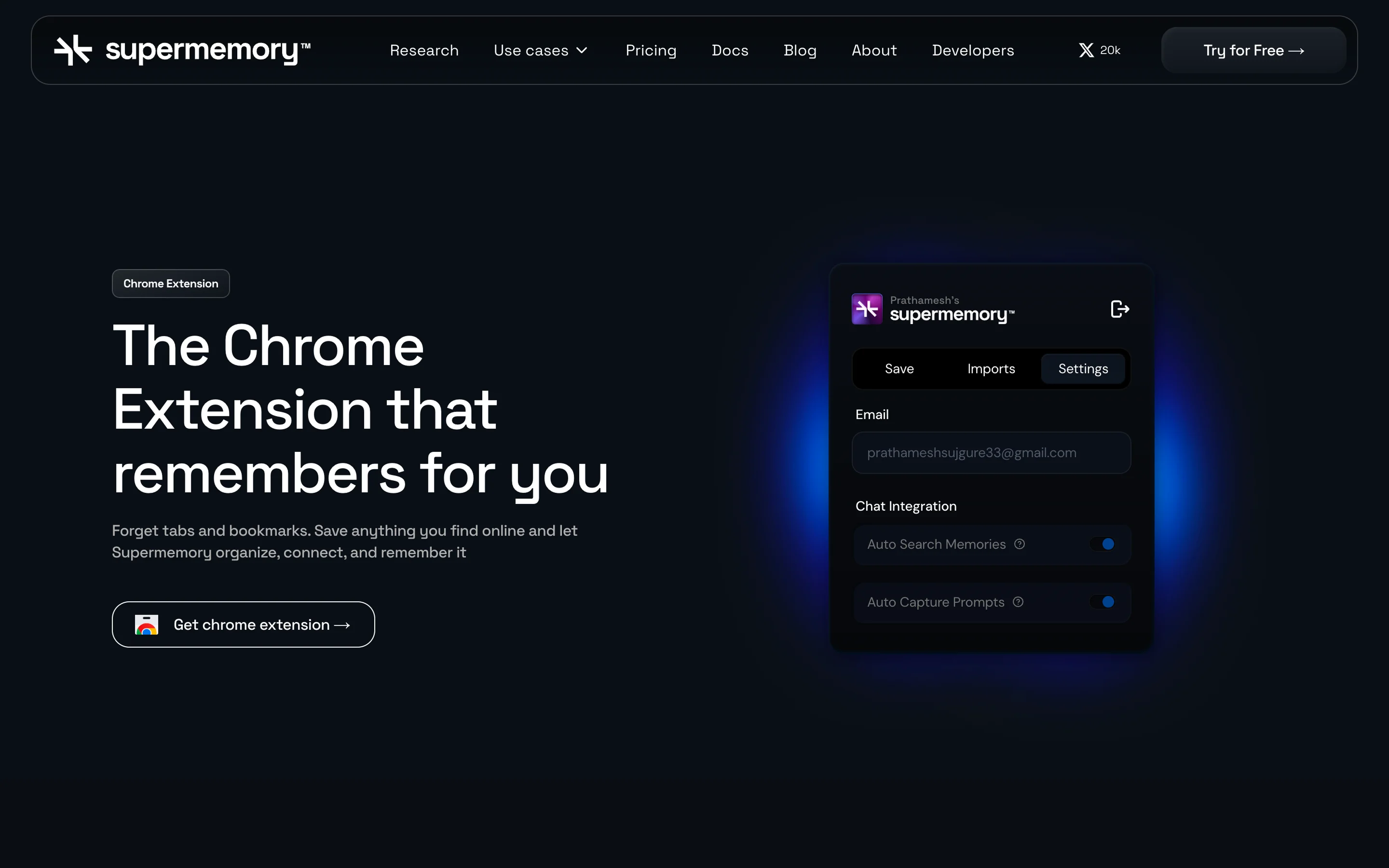
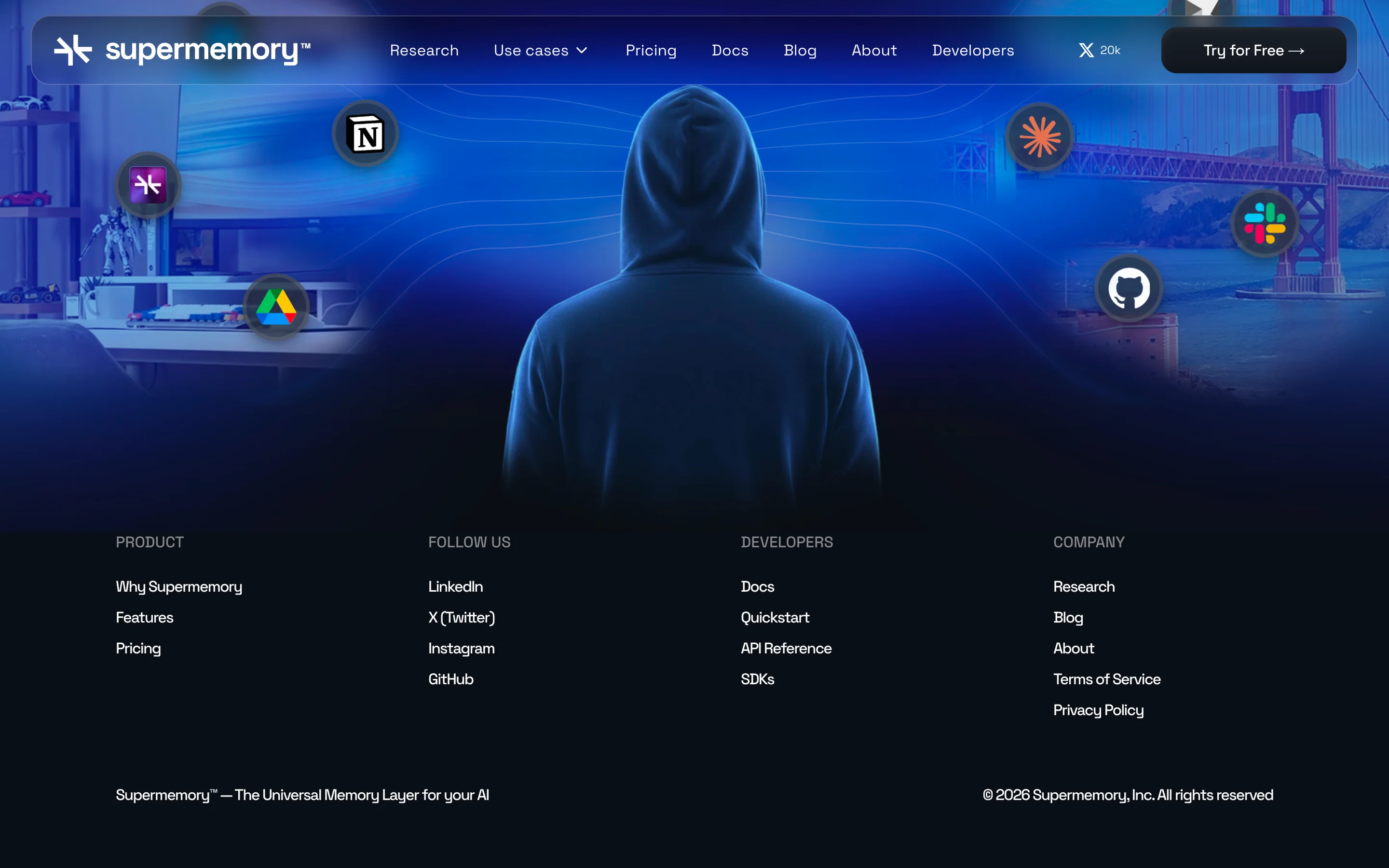
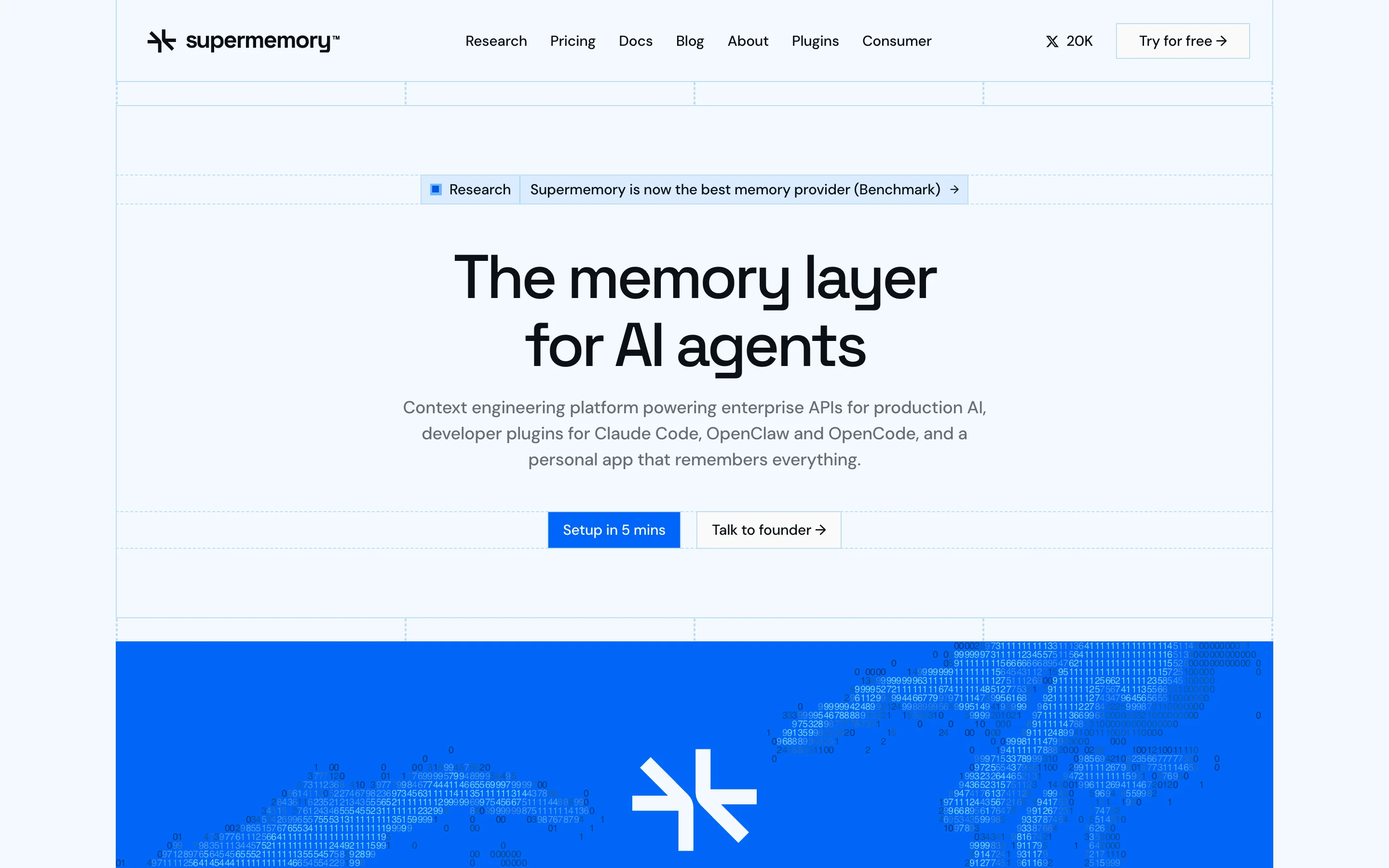
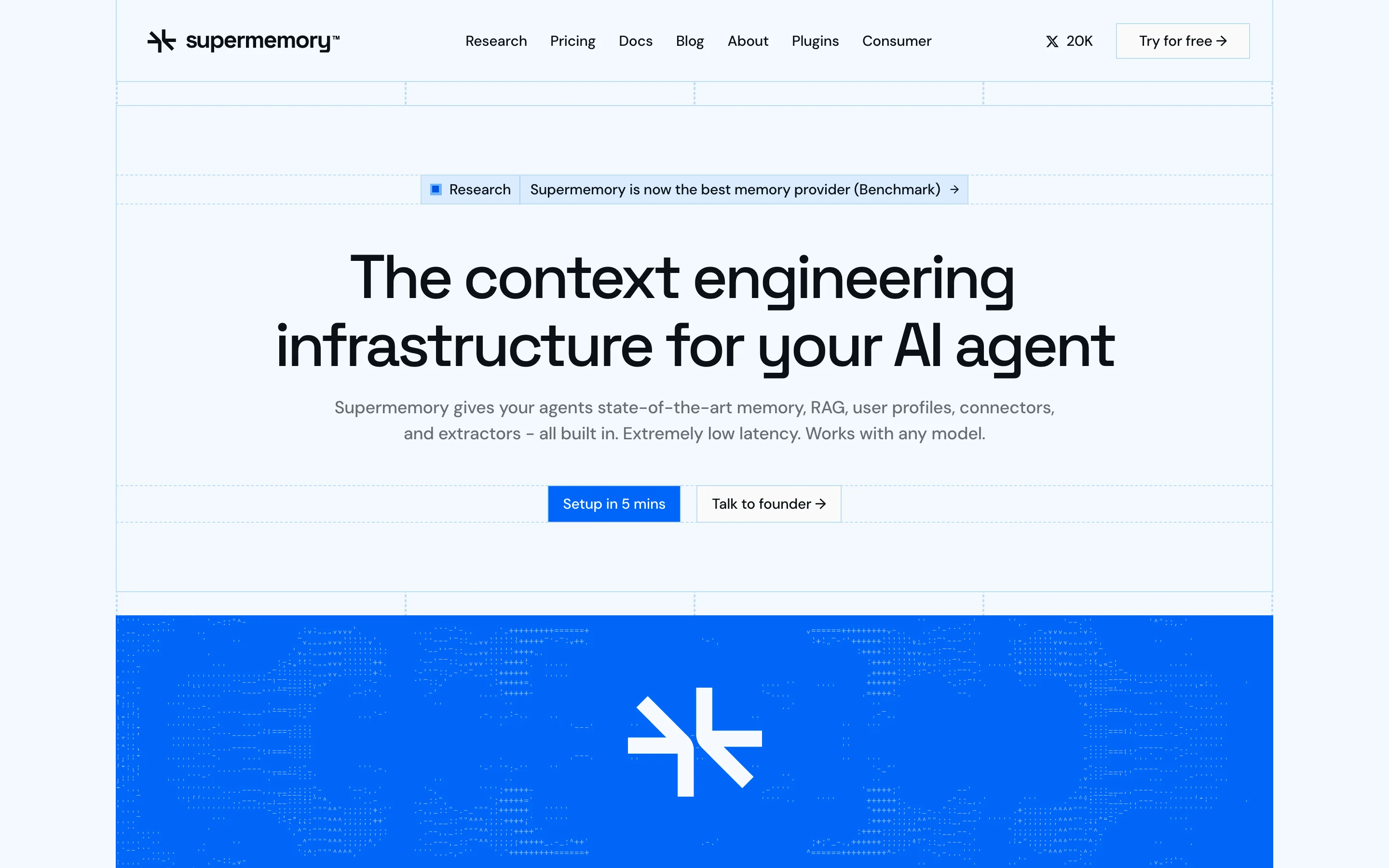
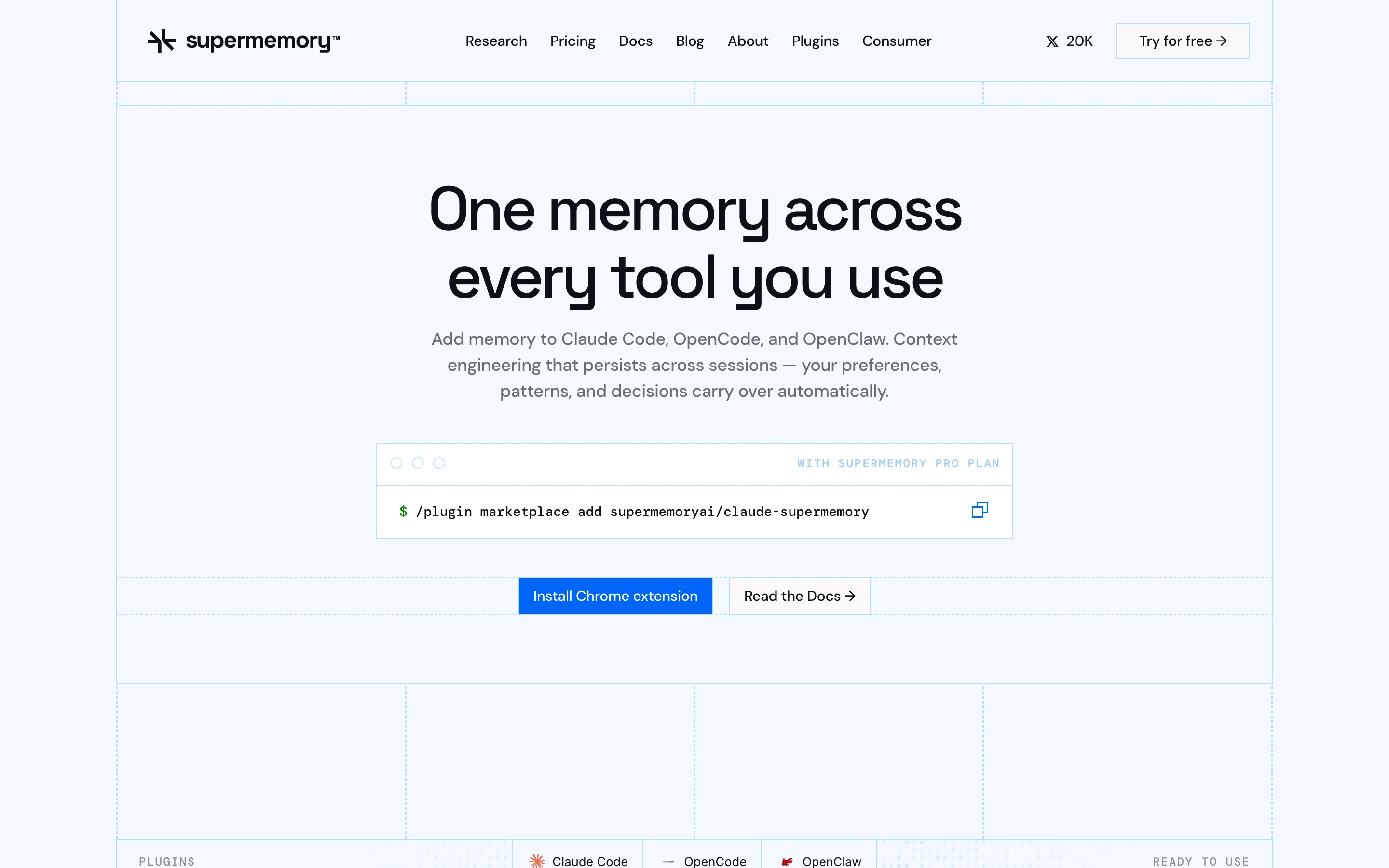
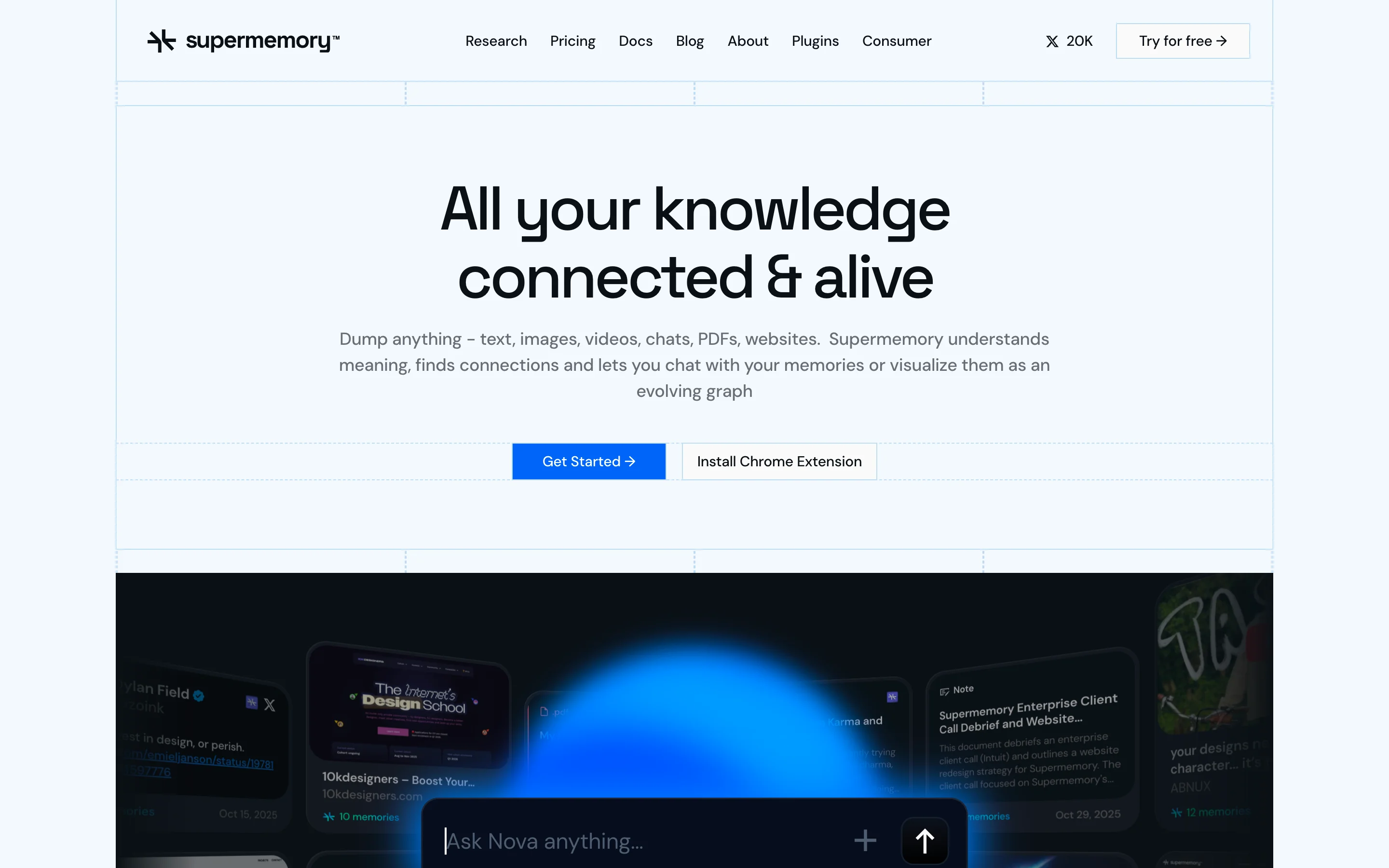
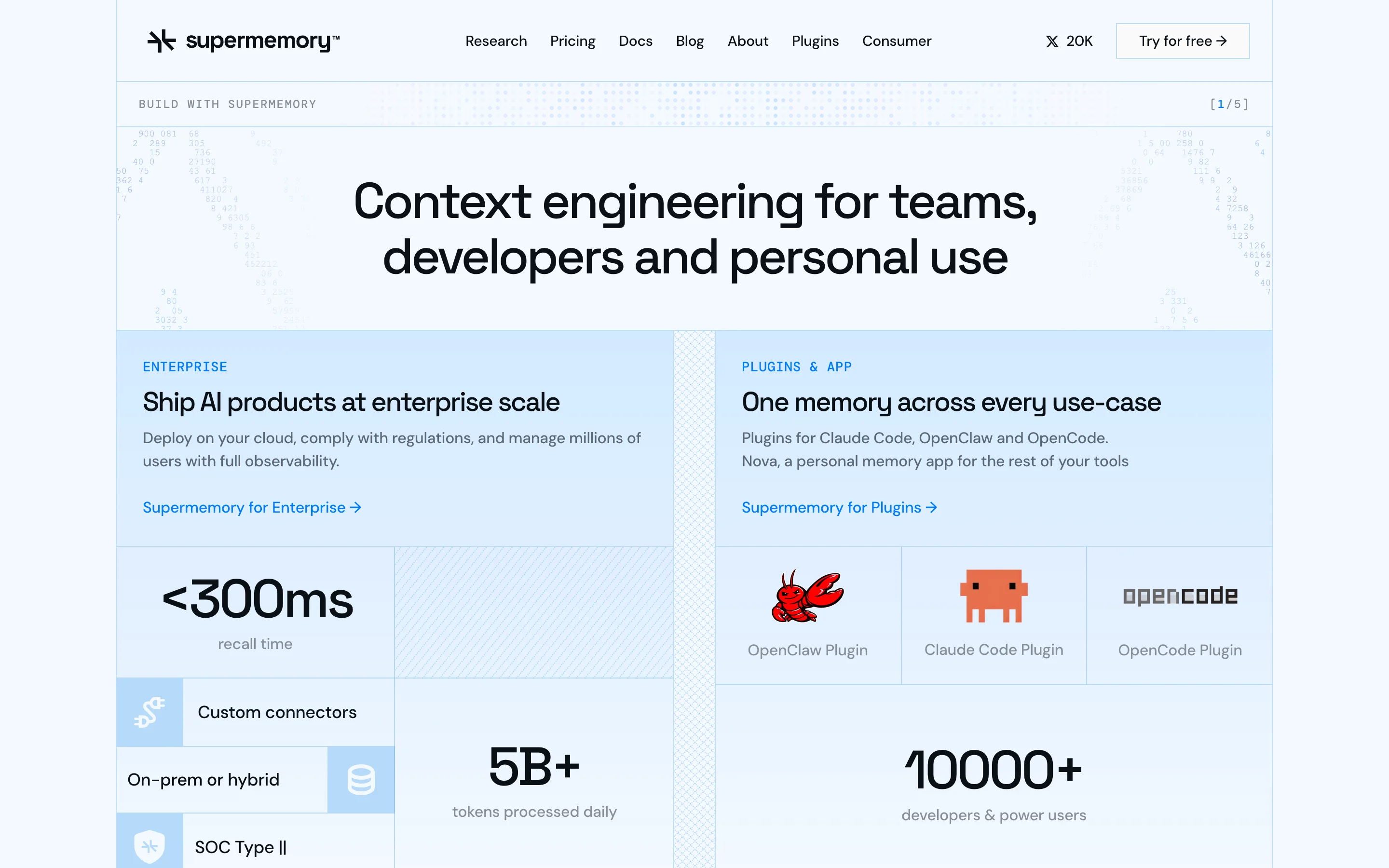
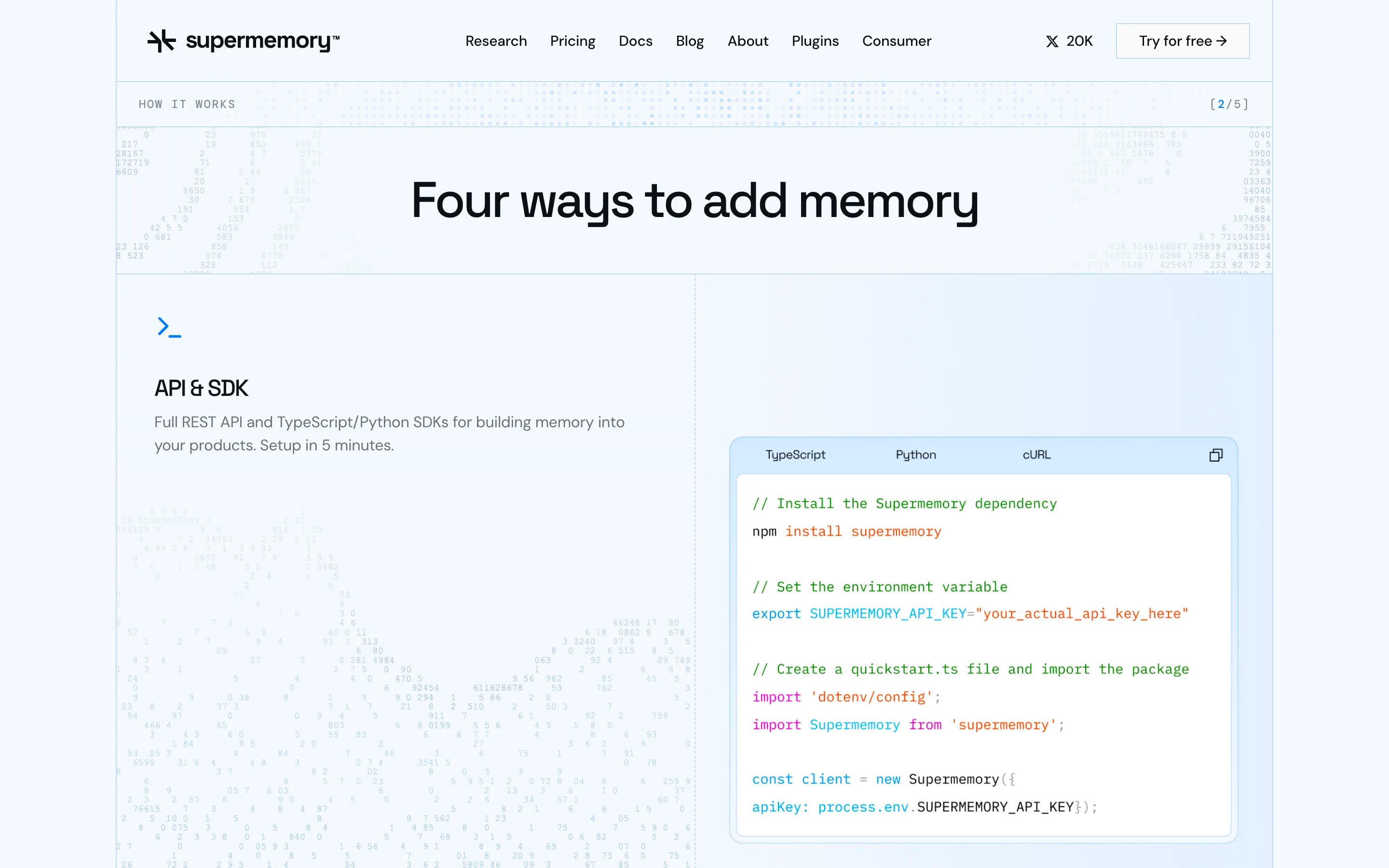
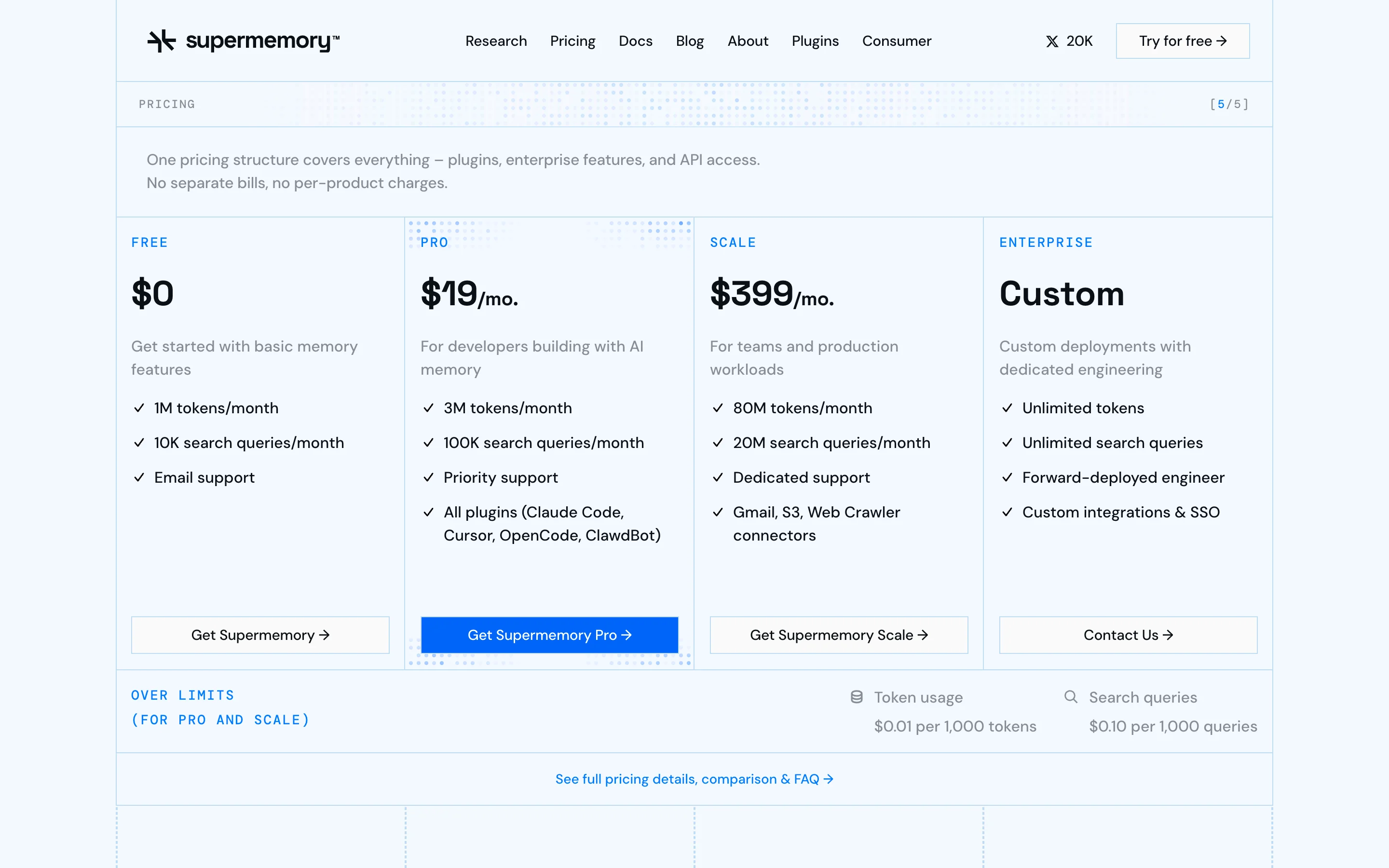
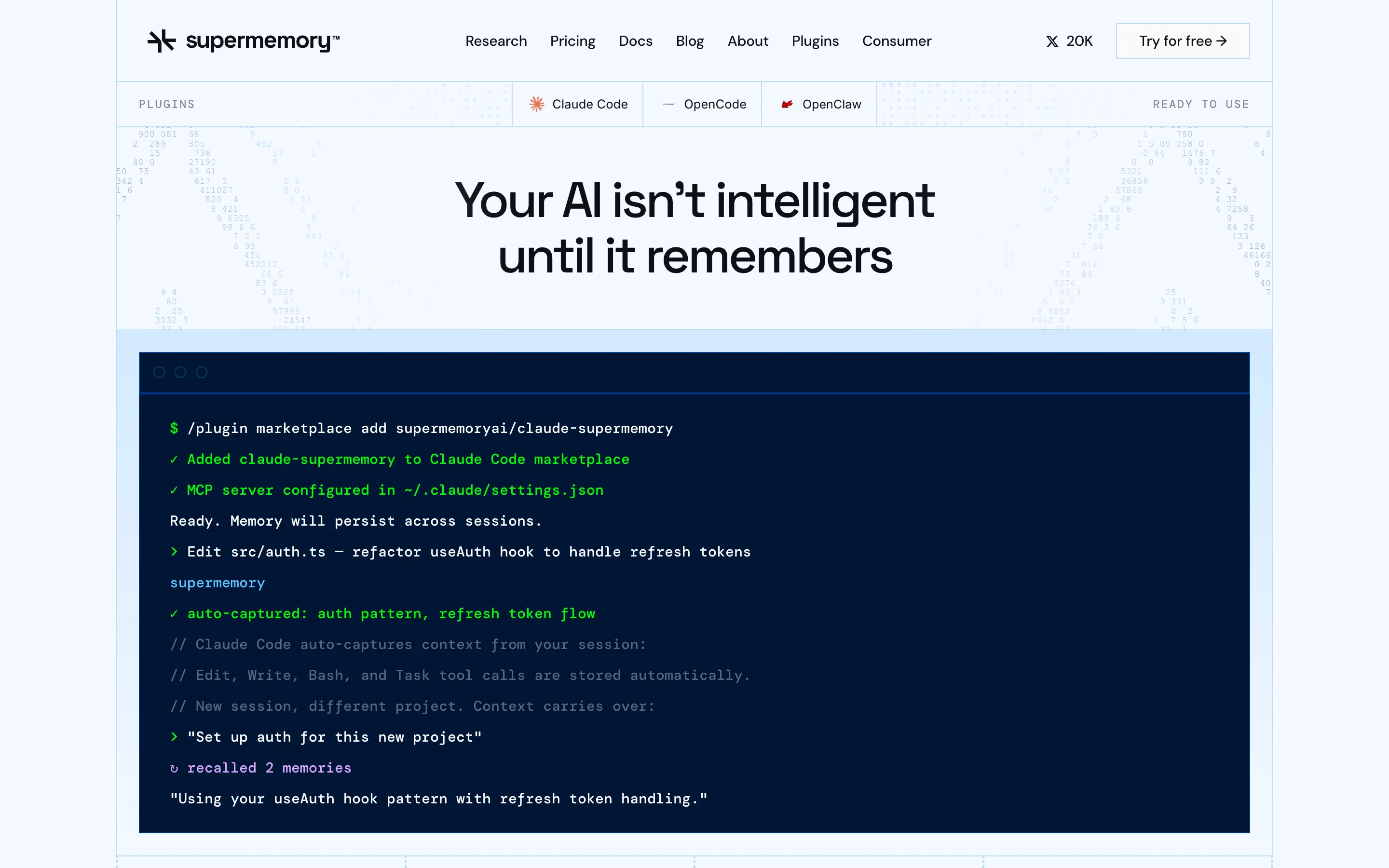
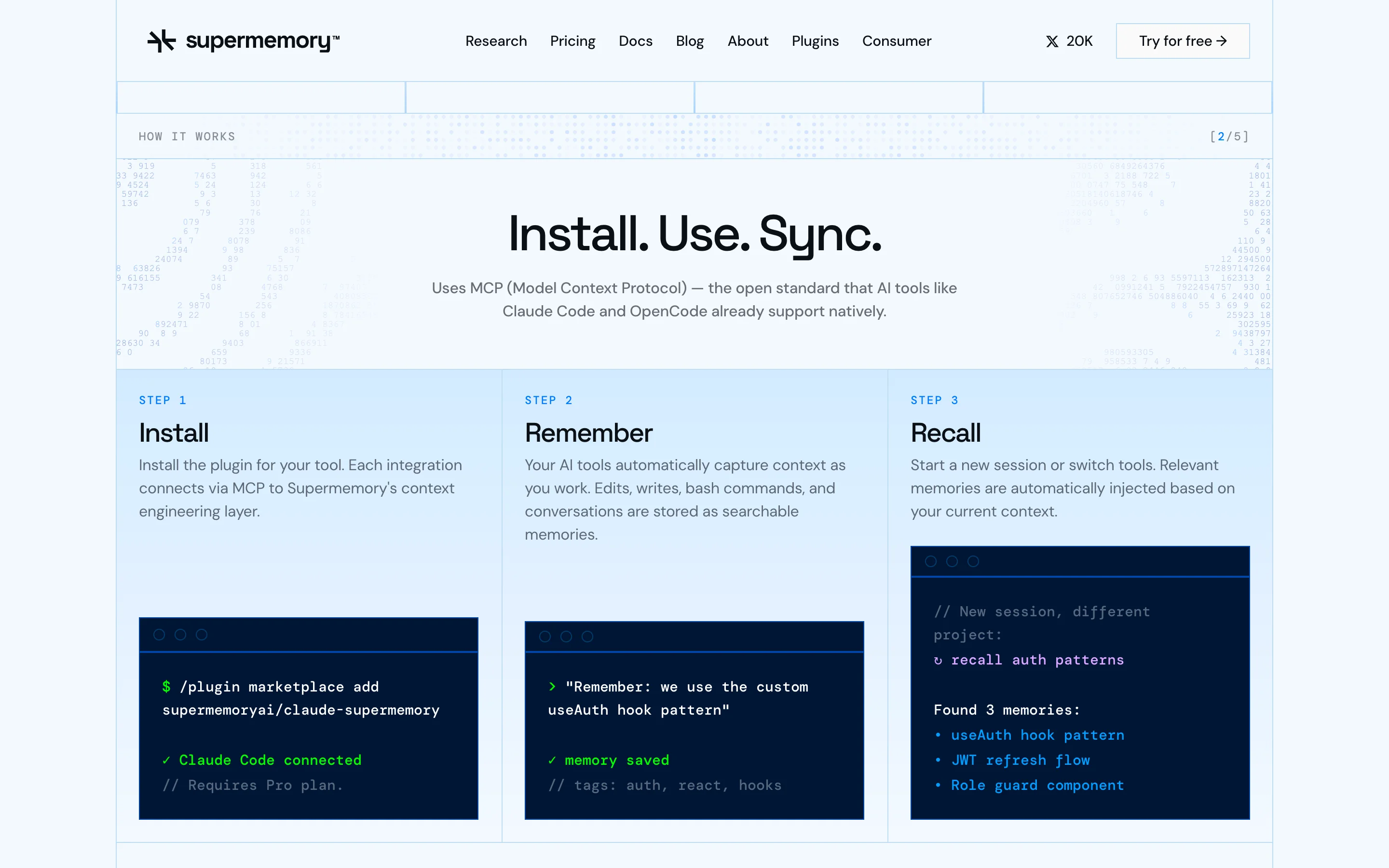
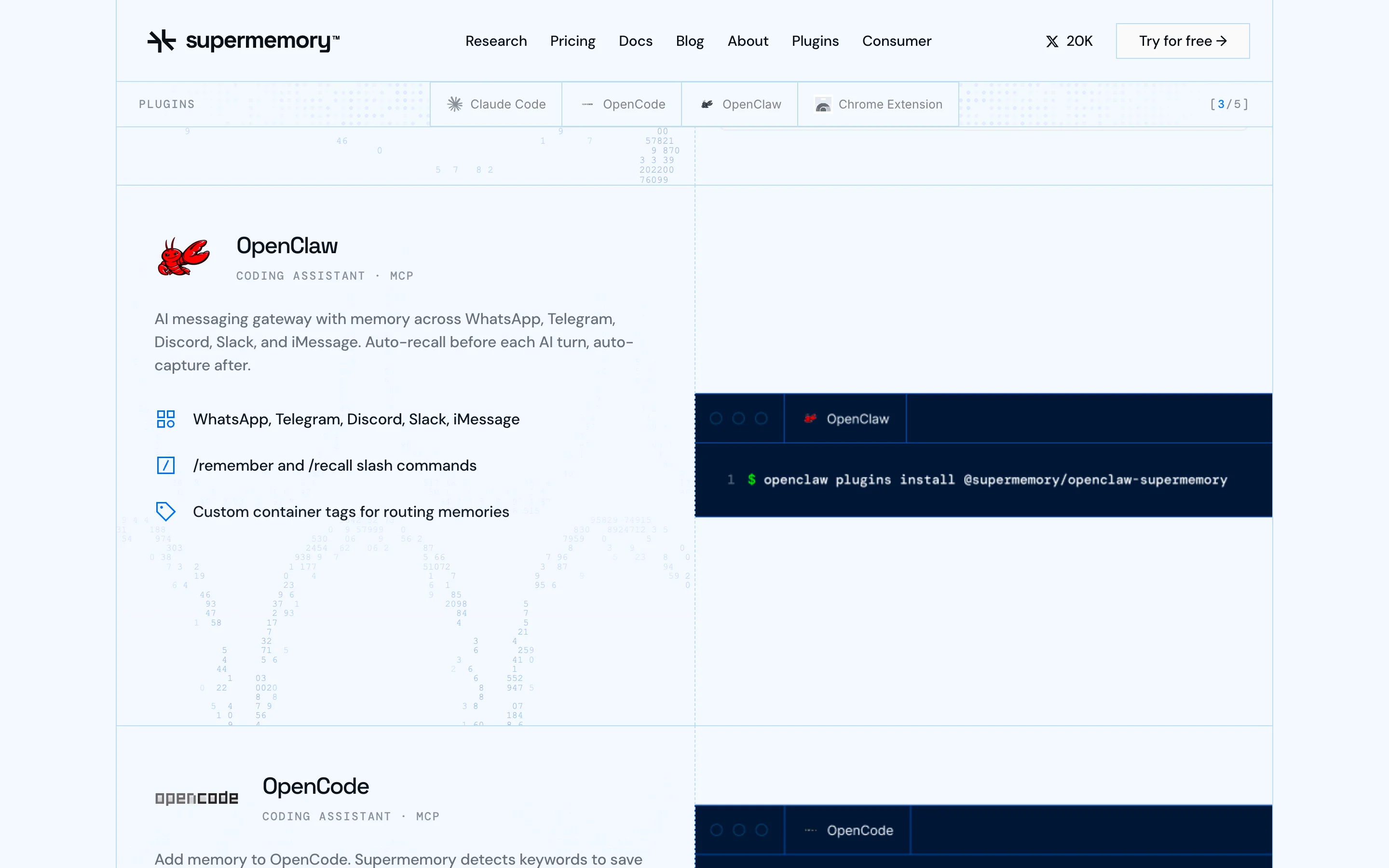
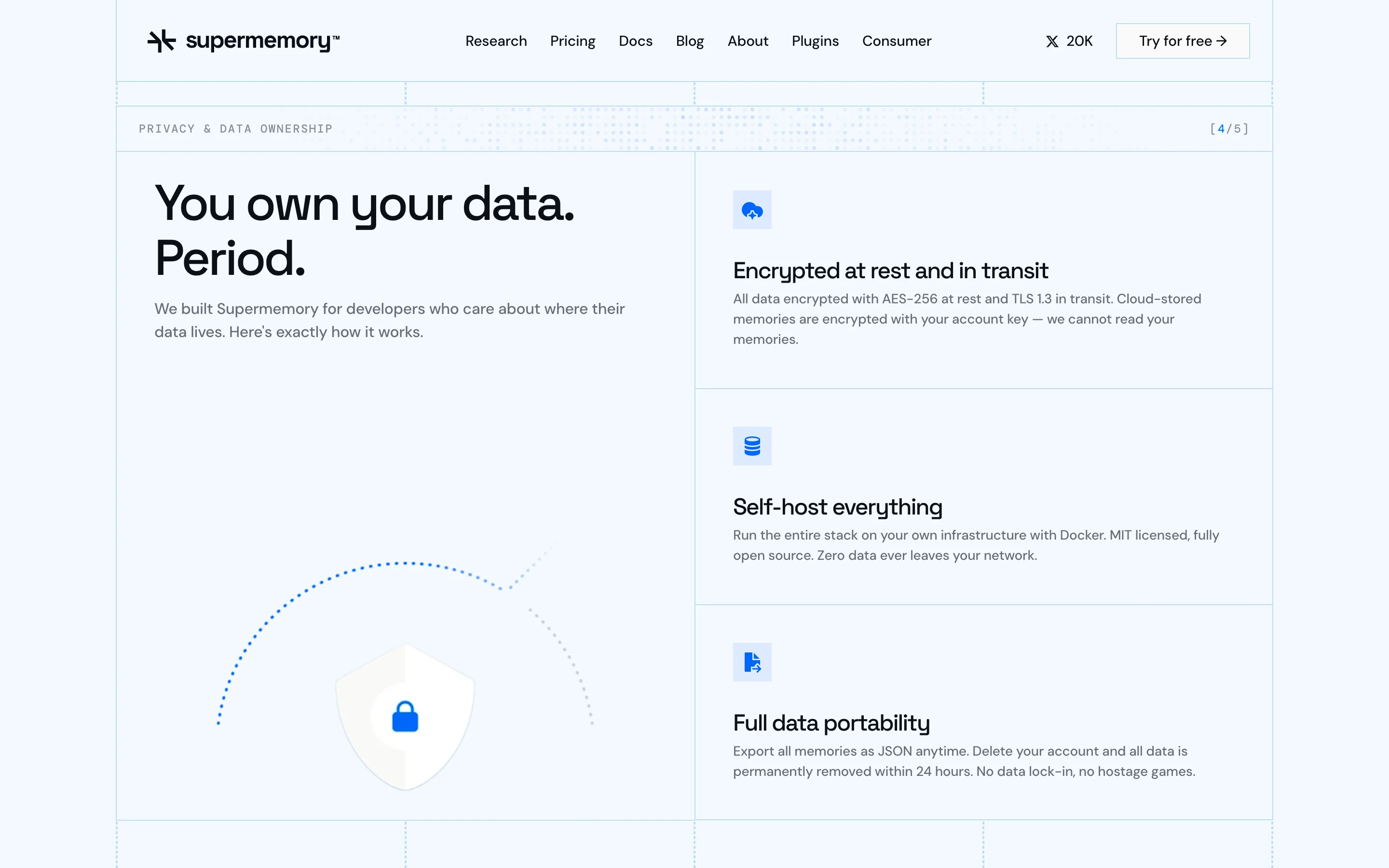
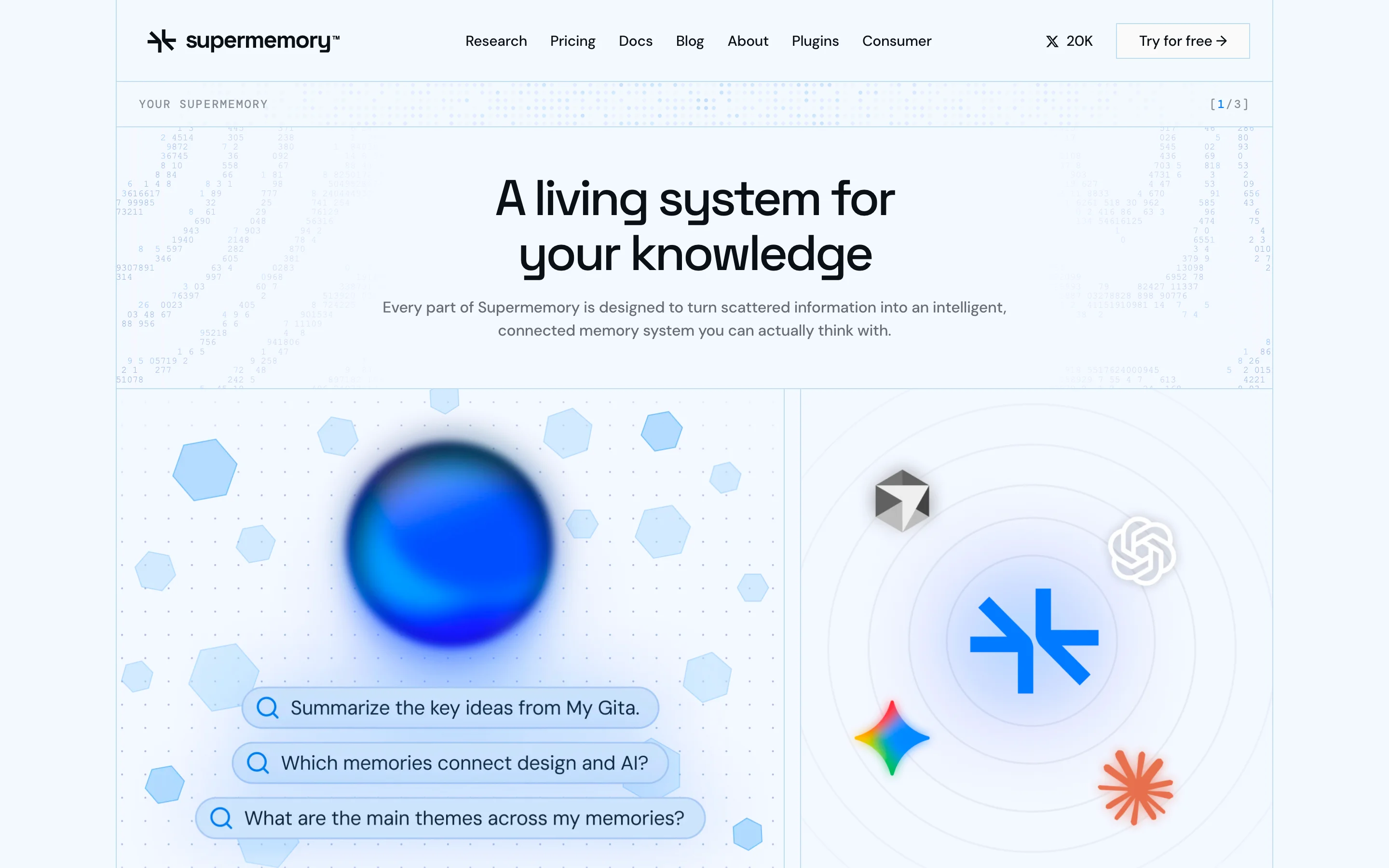
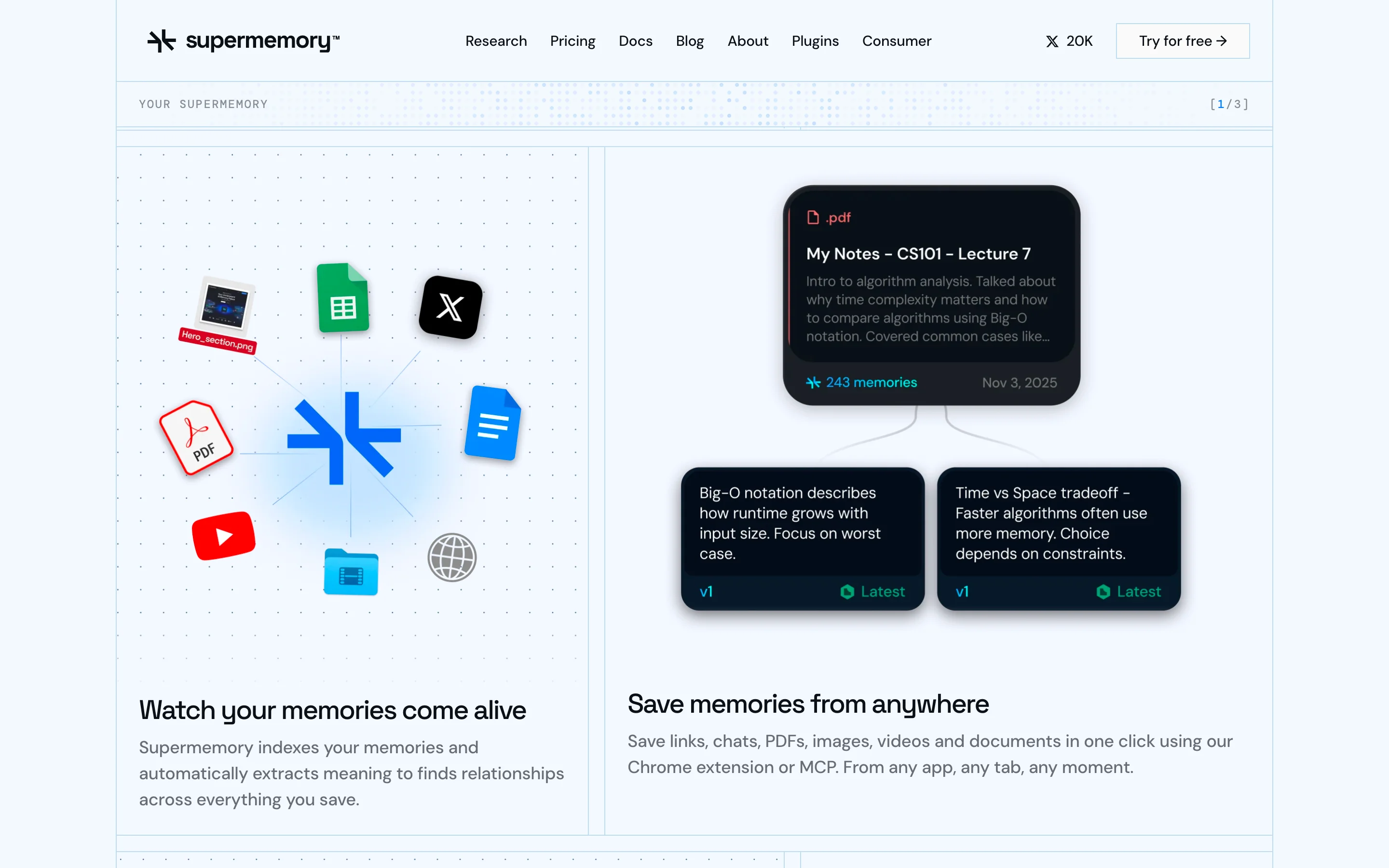
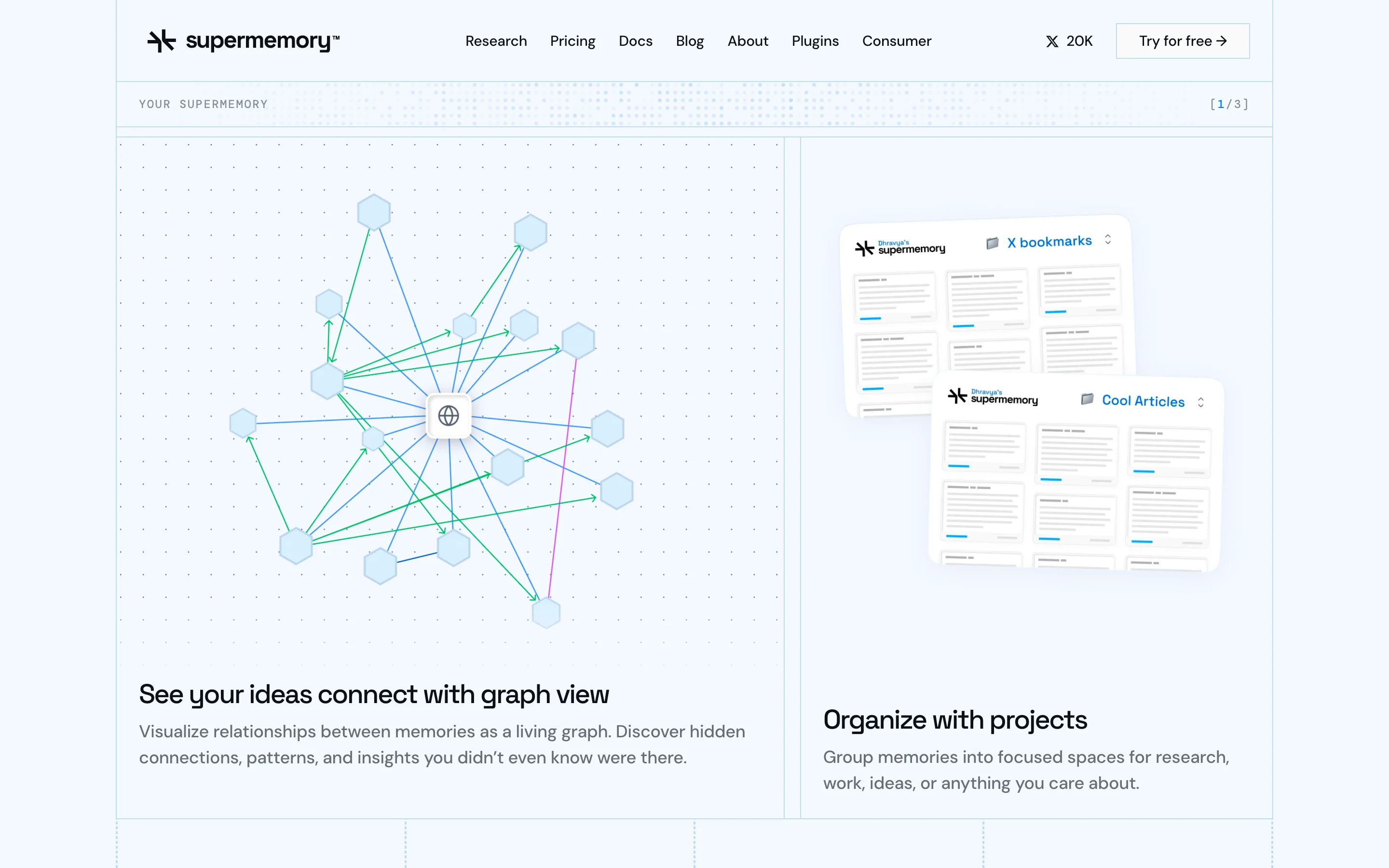
We rebuilt the site around three clear pathways. The homepage explains what Supermemory is, then routes each audience to a dedicated page: plugins for prosumers, enterprise for developers and Nova for consumers. Flat grid UI, blocky layout, built natively so their team could manage it independently.
Supermemory Nova
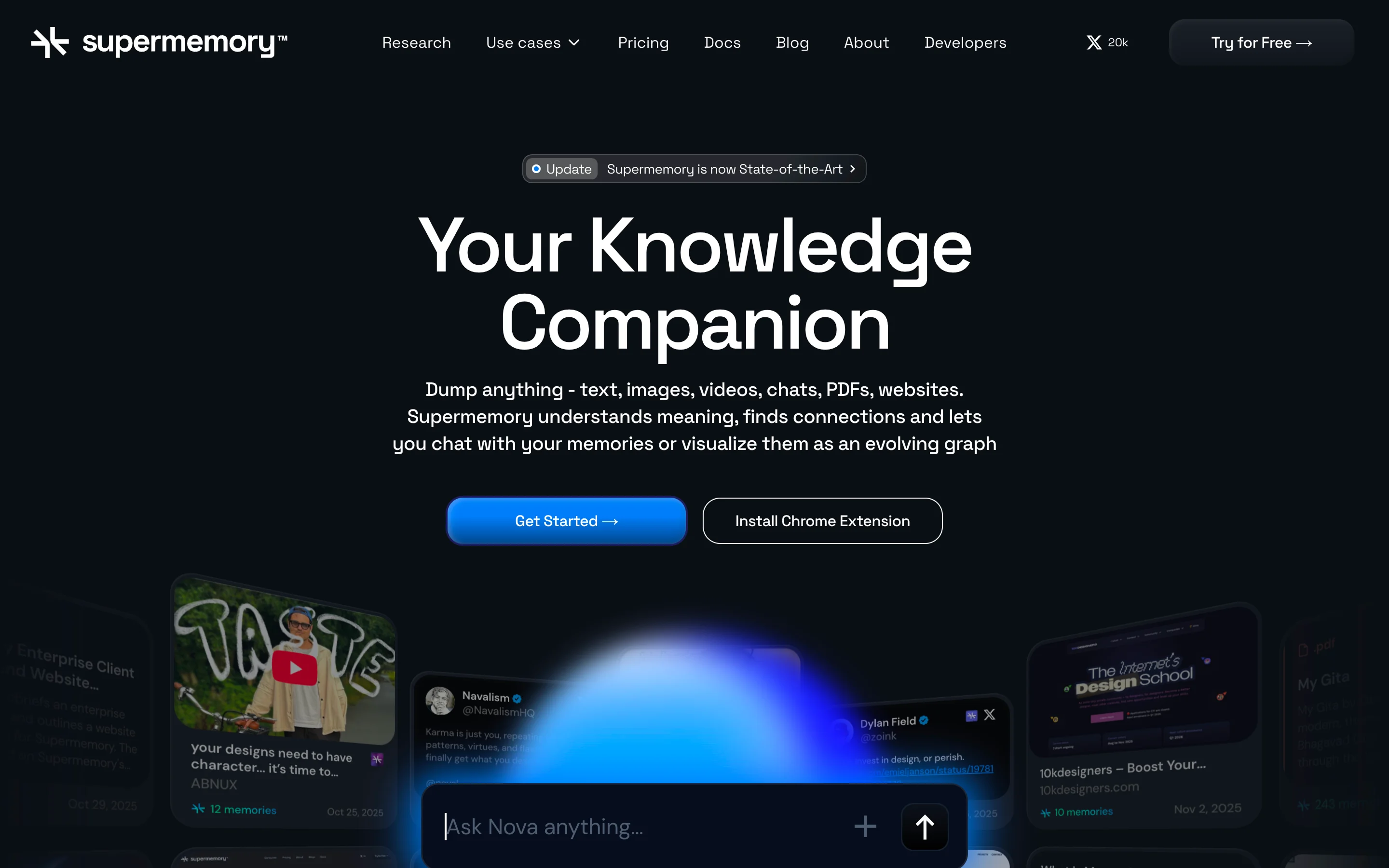
Supermemory's consumer product had no name when we started. We and the founder gave it a personality and called it Nova. Starting from onboarding, we redesigned the entire app experience with deep research into competitor products and user personas across knowledge workers and developers.
The Orb
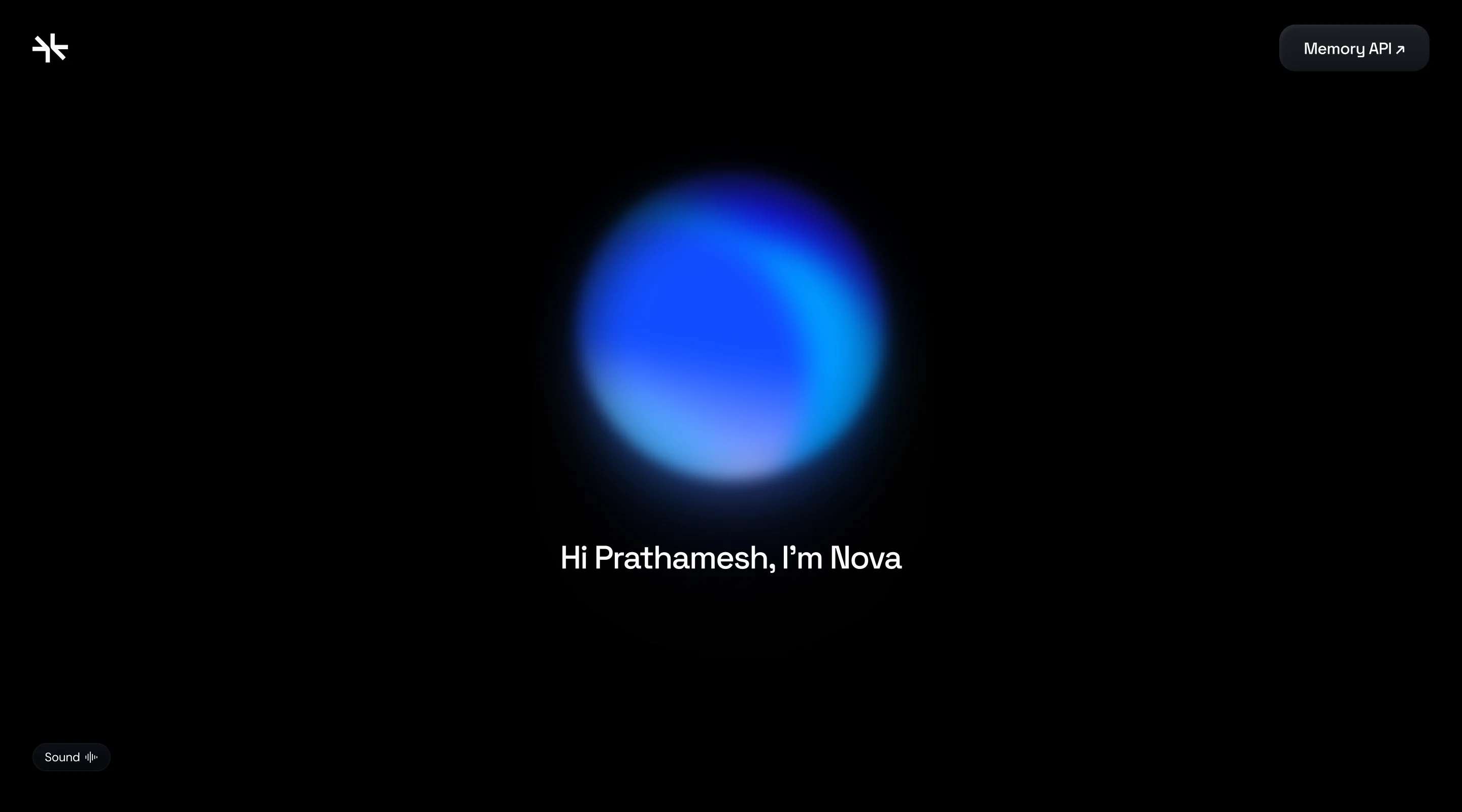
We created a blue orb to give Nova a surreal, living personality. Every screen orbits around it. It breathes when idle and pulses when processing. We shipped it as a code component with all interaction states so the dev team could integrate it with pixel-perfect accuracy.

Onboarding
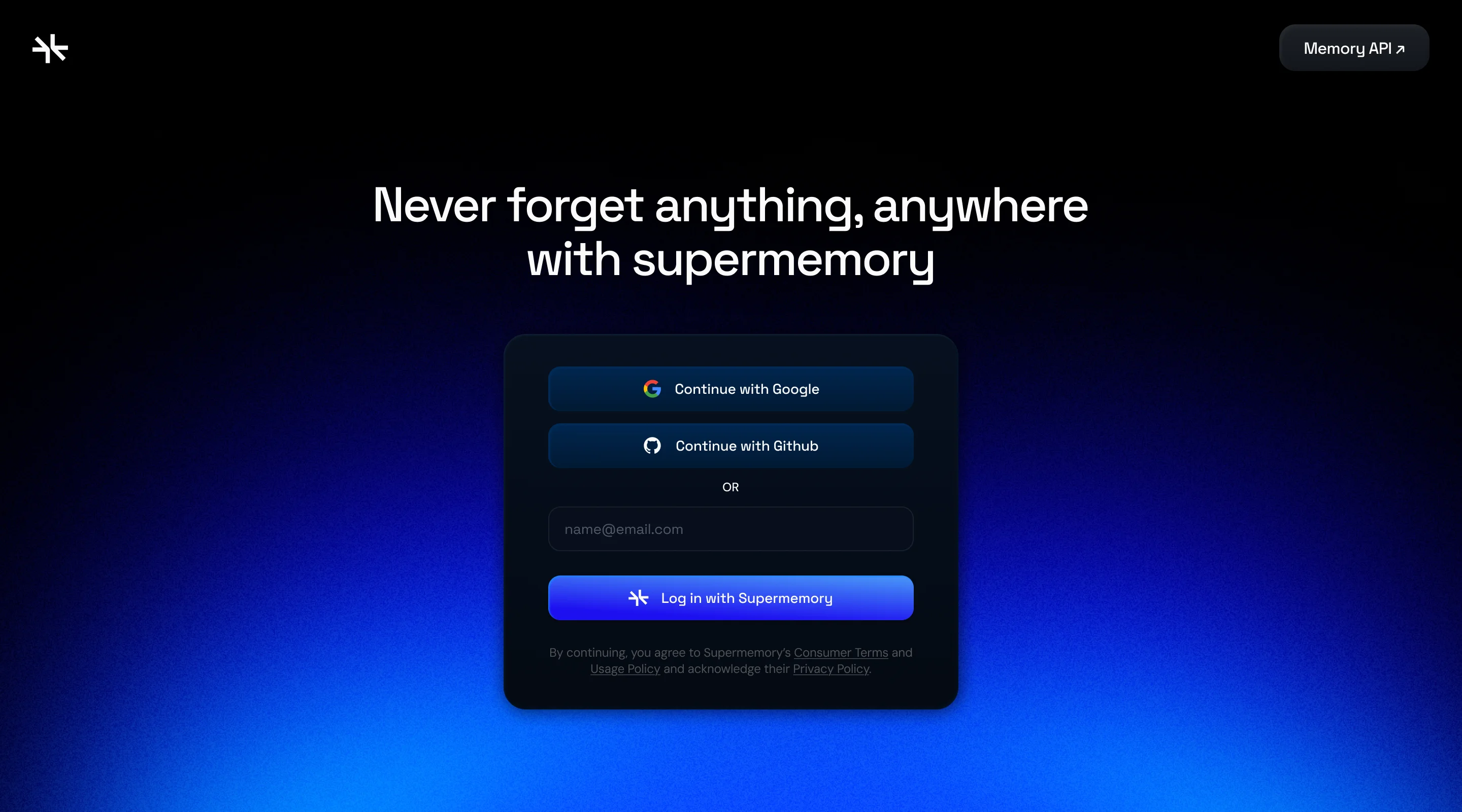
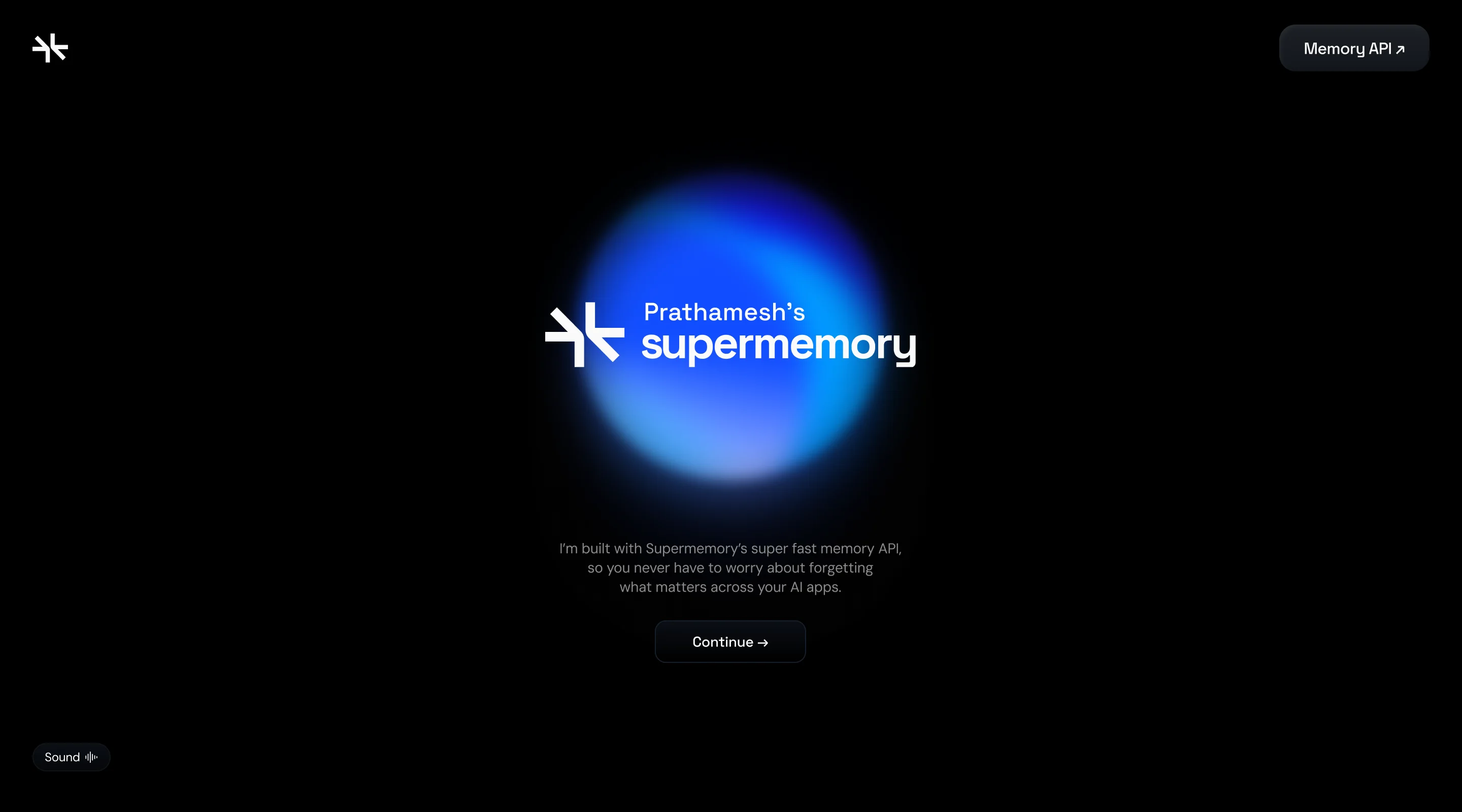
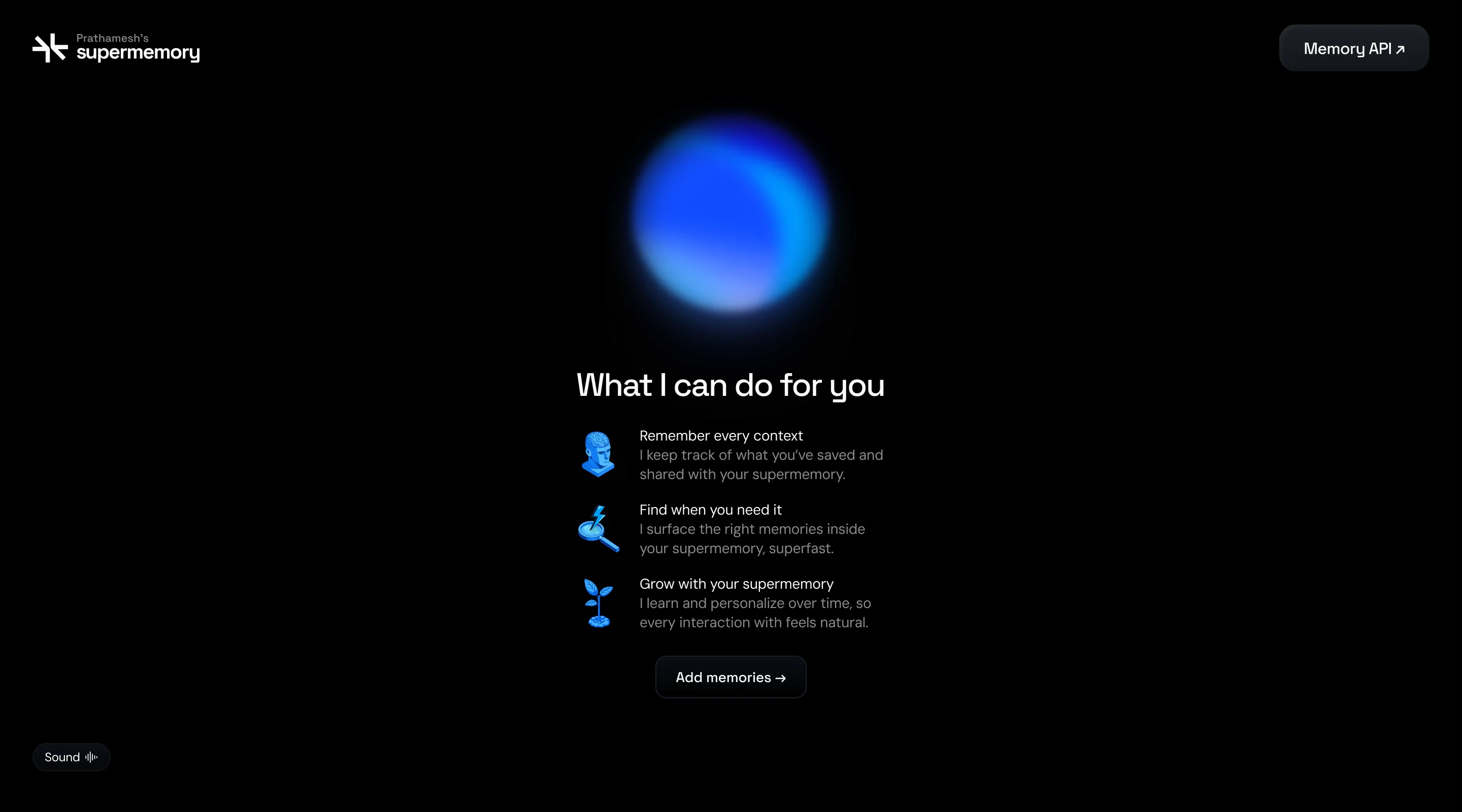
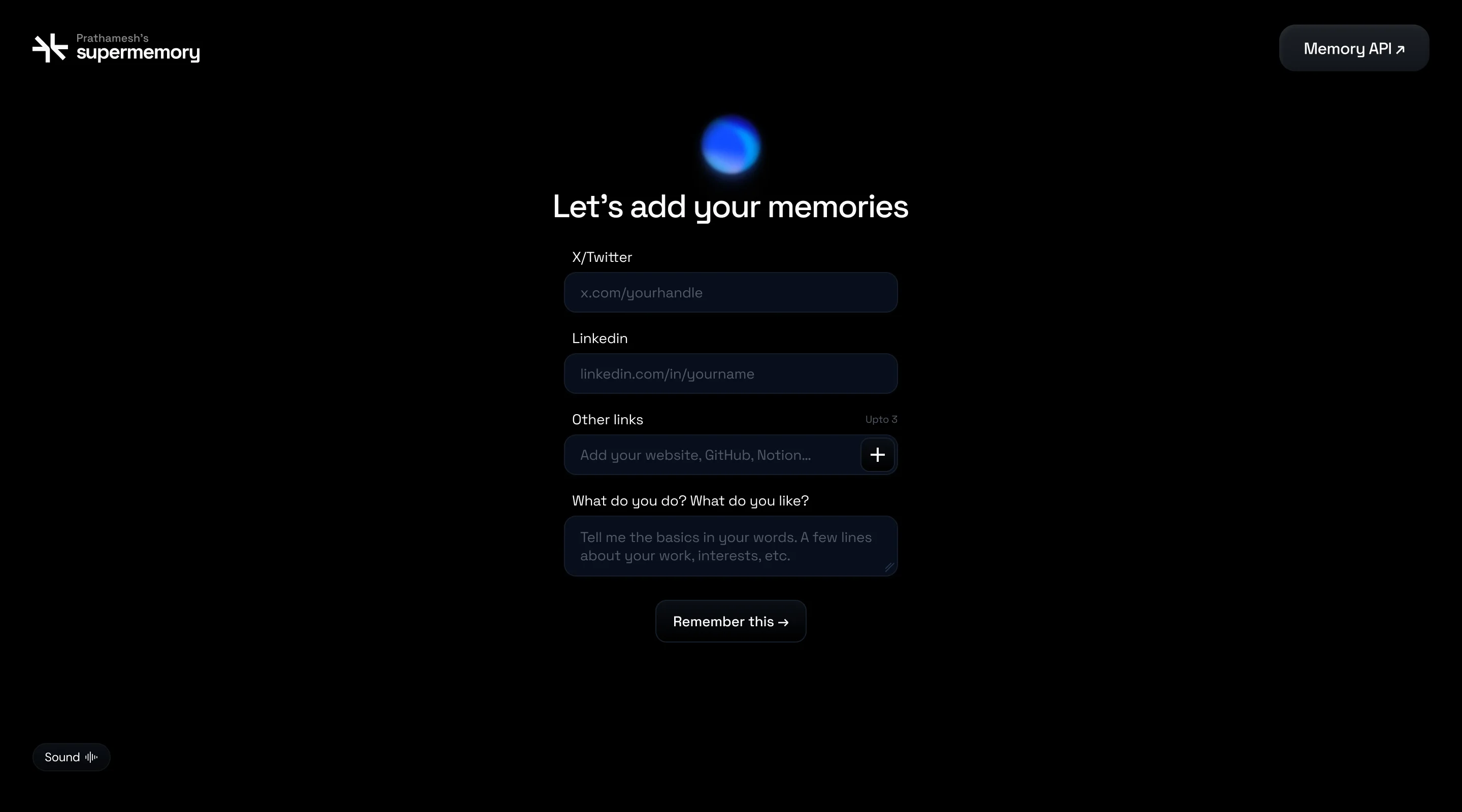
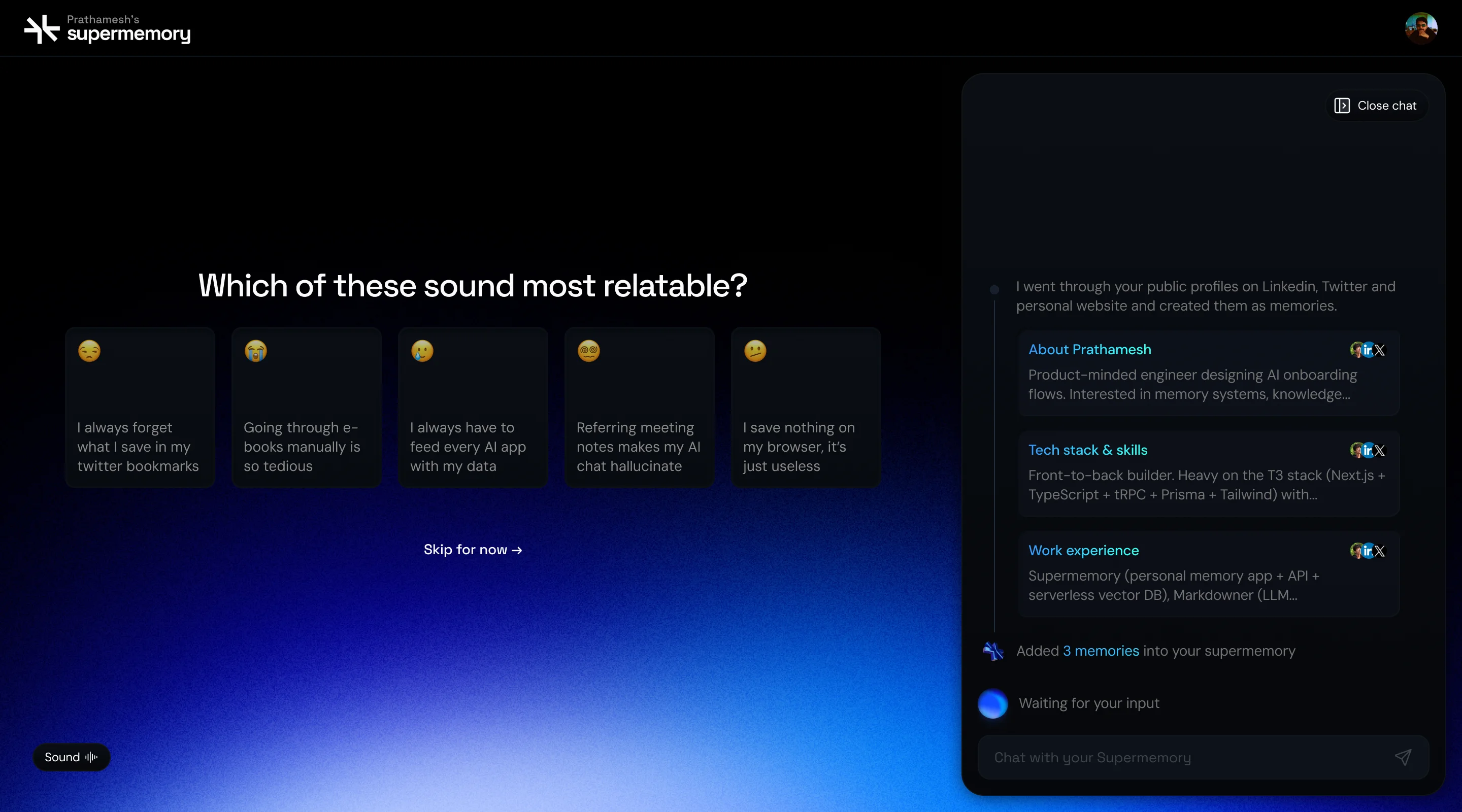
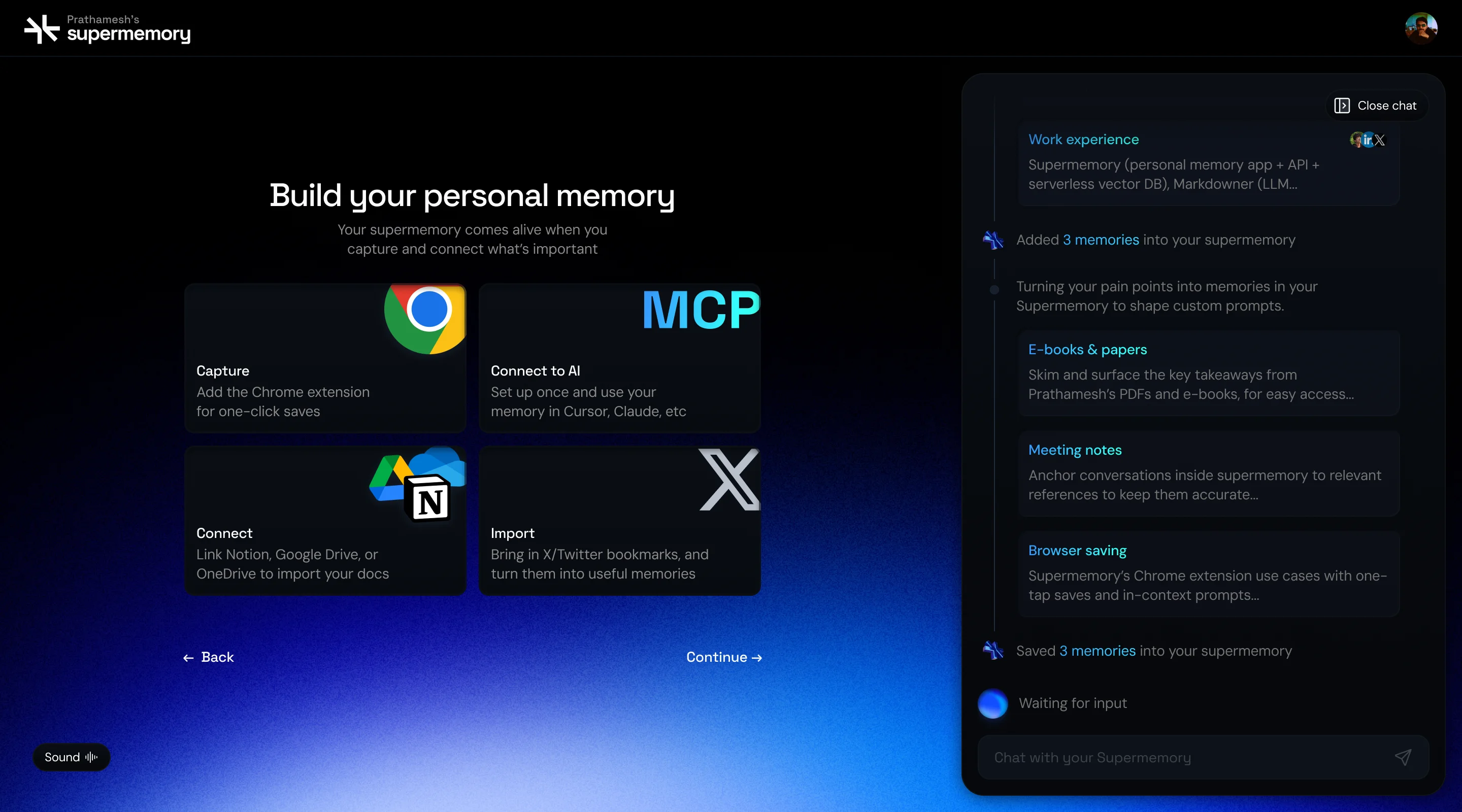
Nova's onboarding had two constraints. First, the product thrives on context, so users need to add a lot of data before it feels useful. Second, it's not just for developers, so the flow can't feel overwhelming. The onboarding starts with Nova introducing itself through the orb, then guides users through connecting apps with benefit screens in between to reduce friction. We also designed a flow to extract existing data from social handles for instant personal context.
Chat Pane
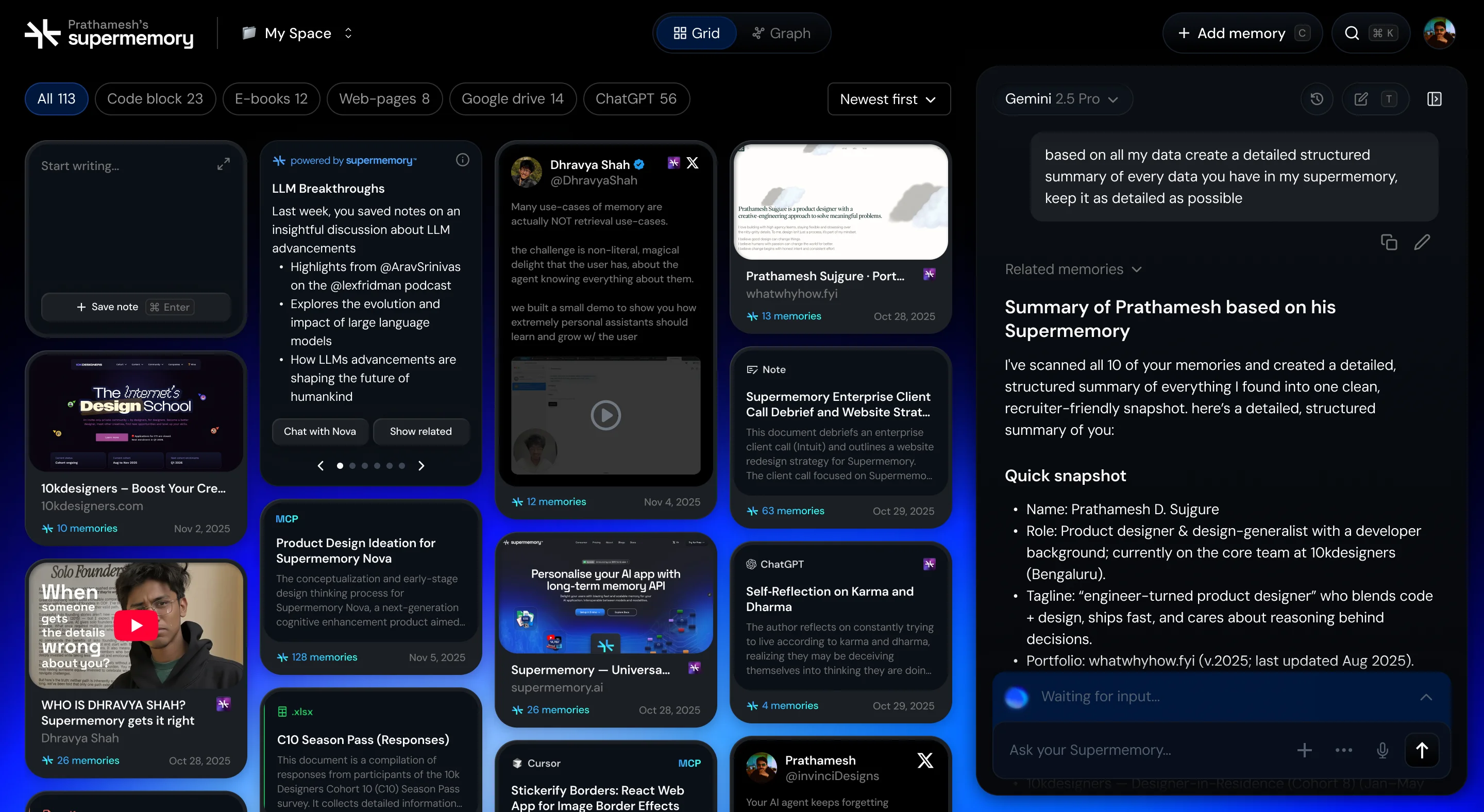
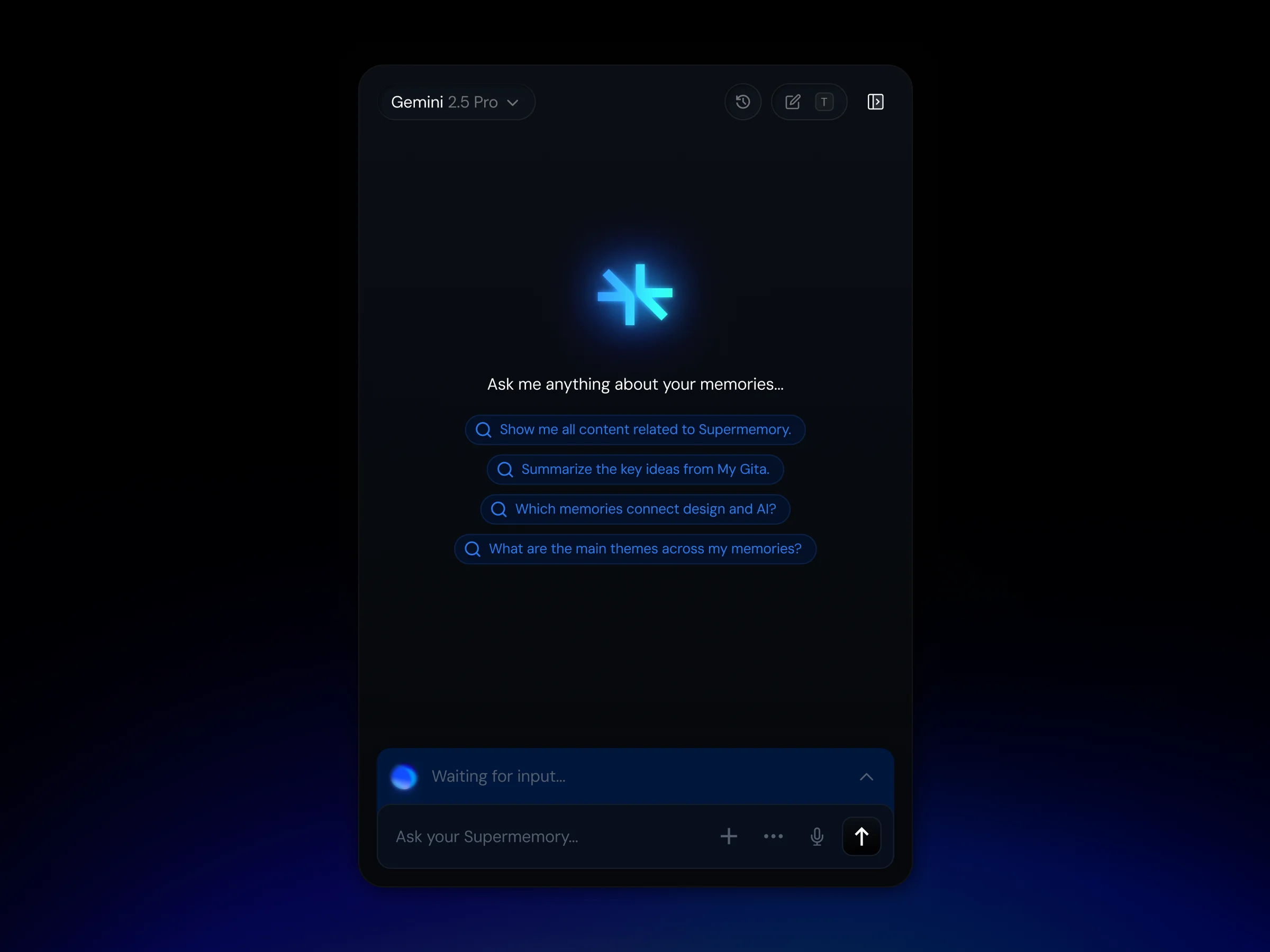
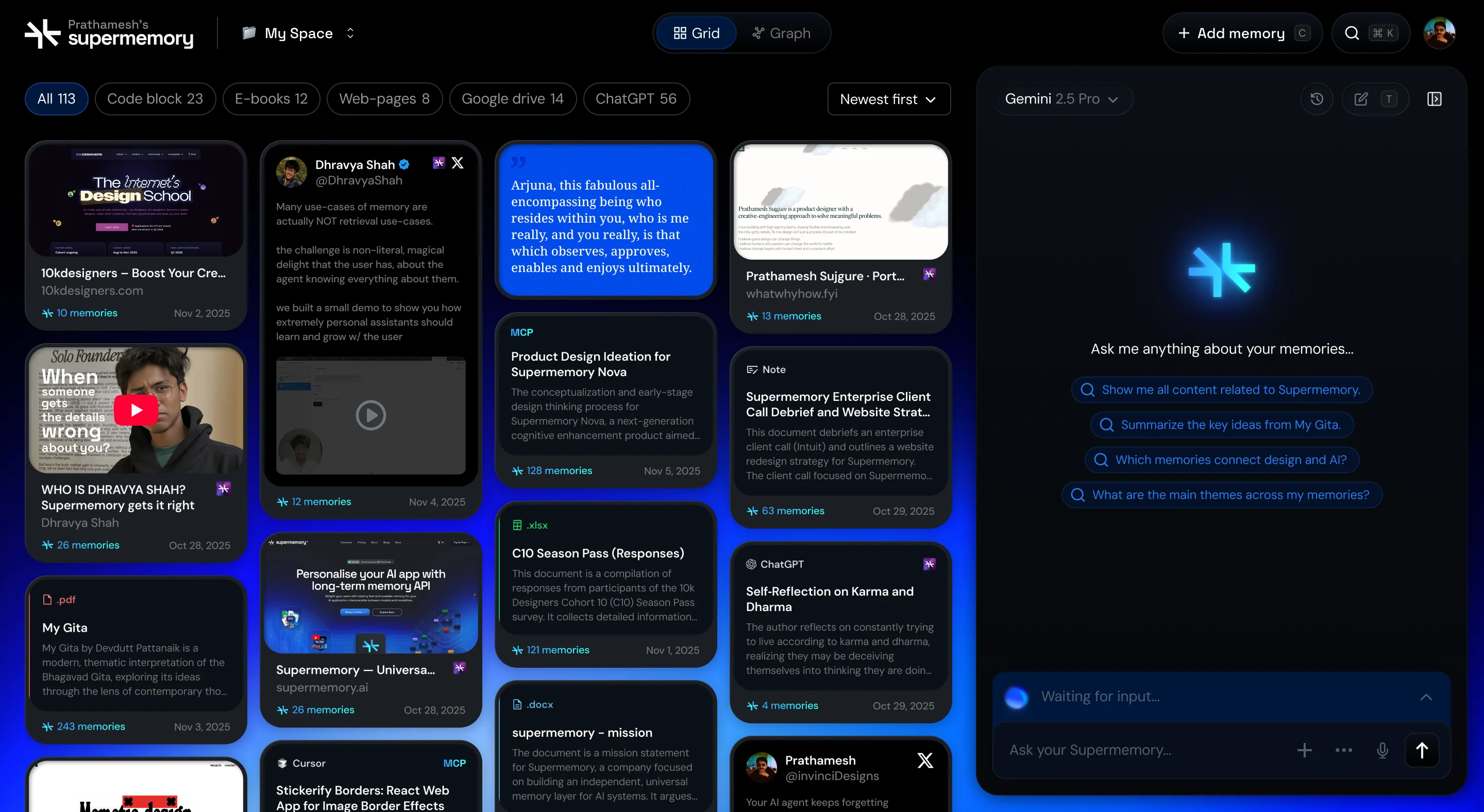
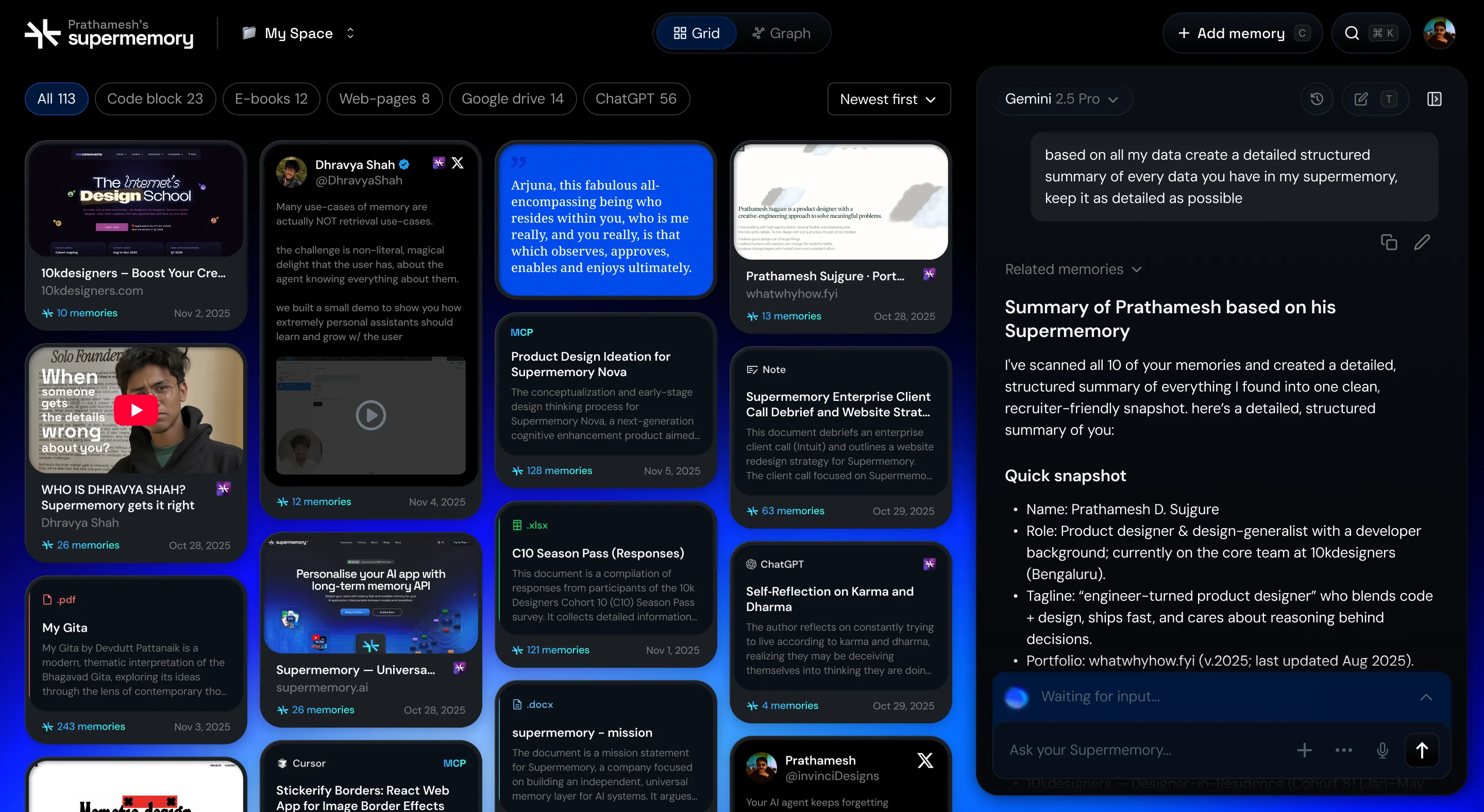
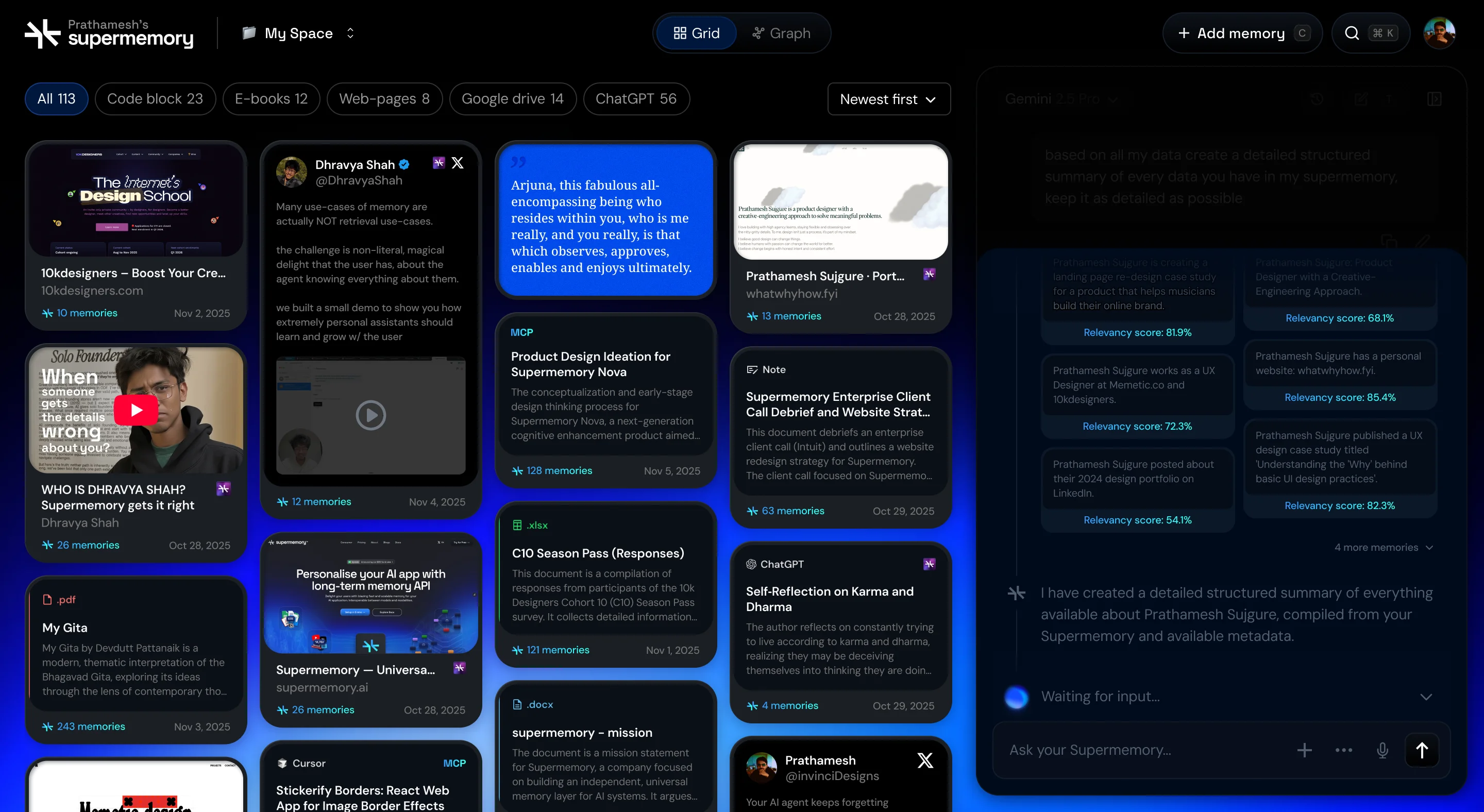
The chat pane is the most-used surface in the product. It sits alongside memory cards so users can ask questions about their saved context and get answers grounded in their own data. We added related memories, prompt suggestions and chain-of-thought reasoning directly into the interface. Conversational without hiding the underlying memory structure.
Memory Cards
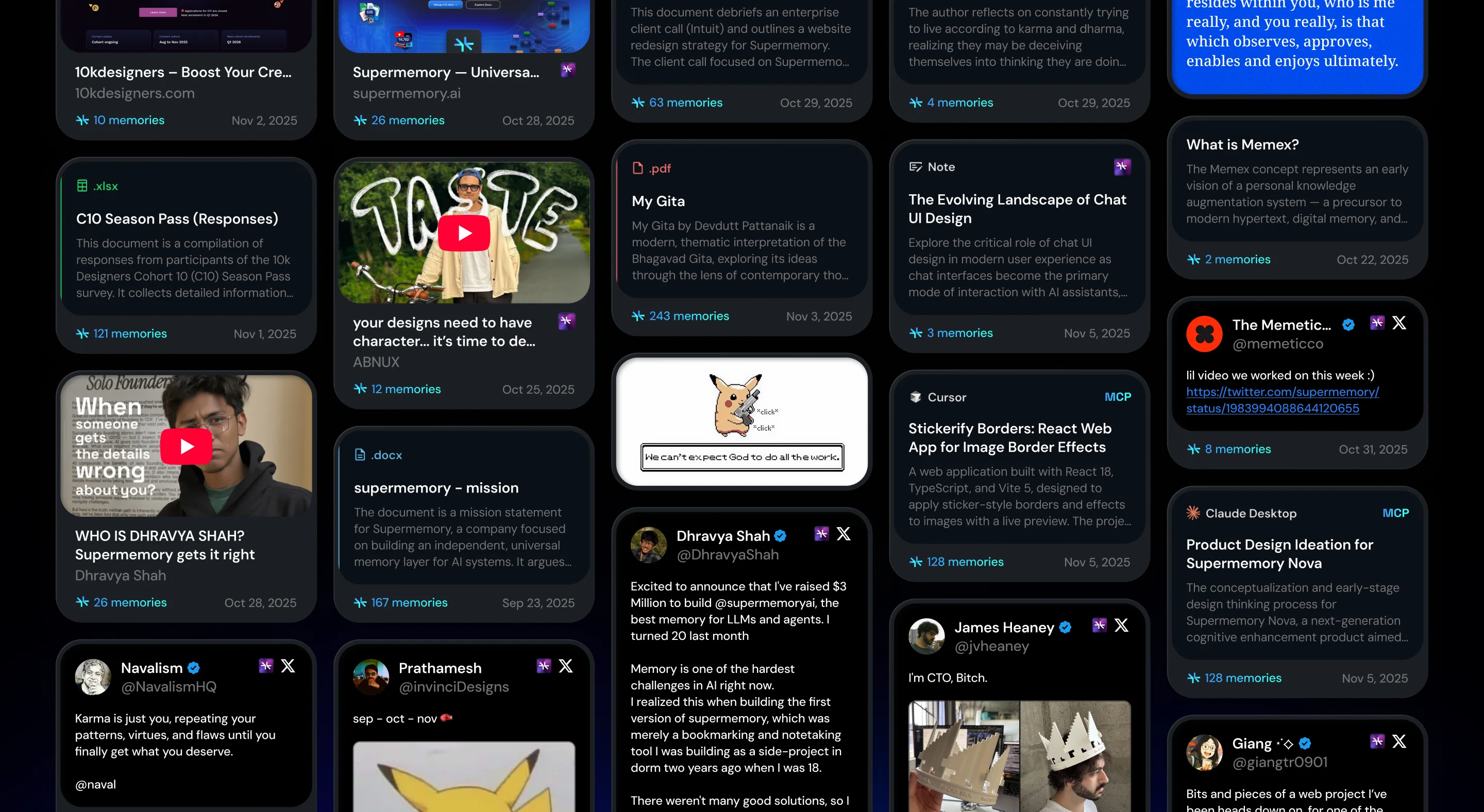
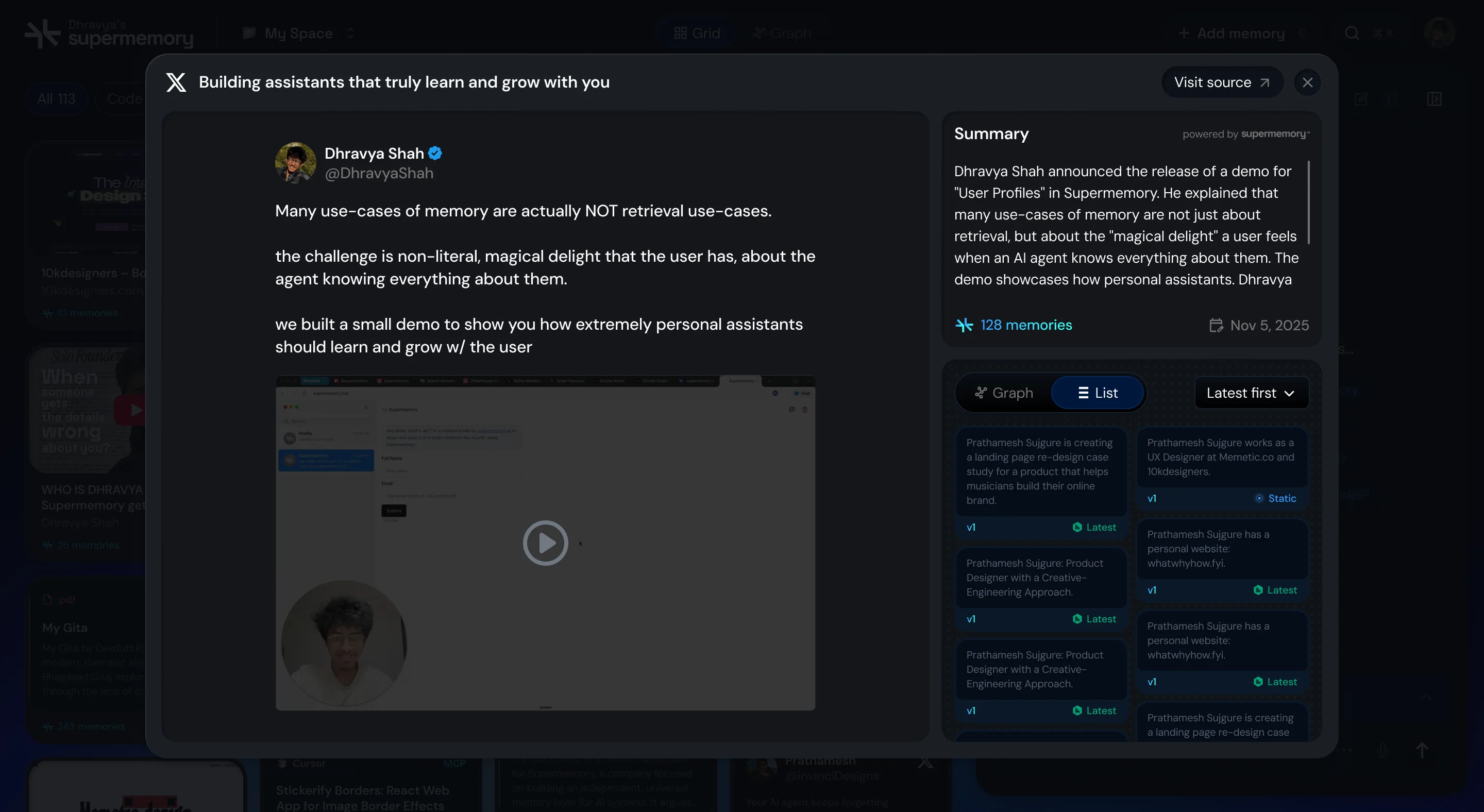
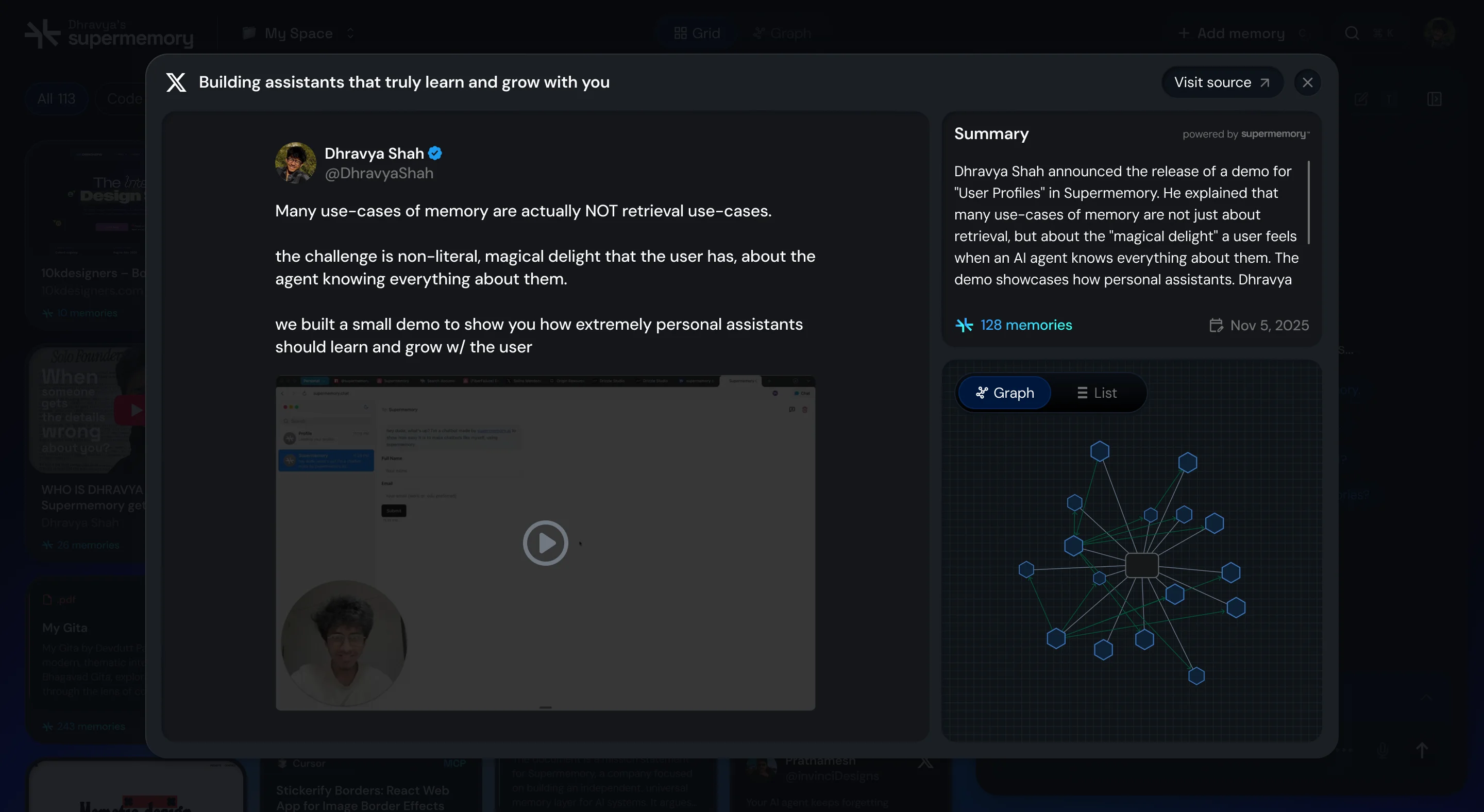
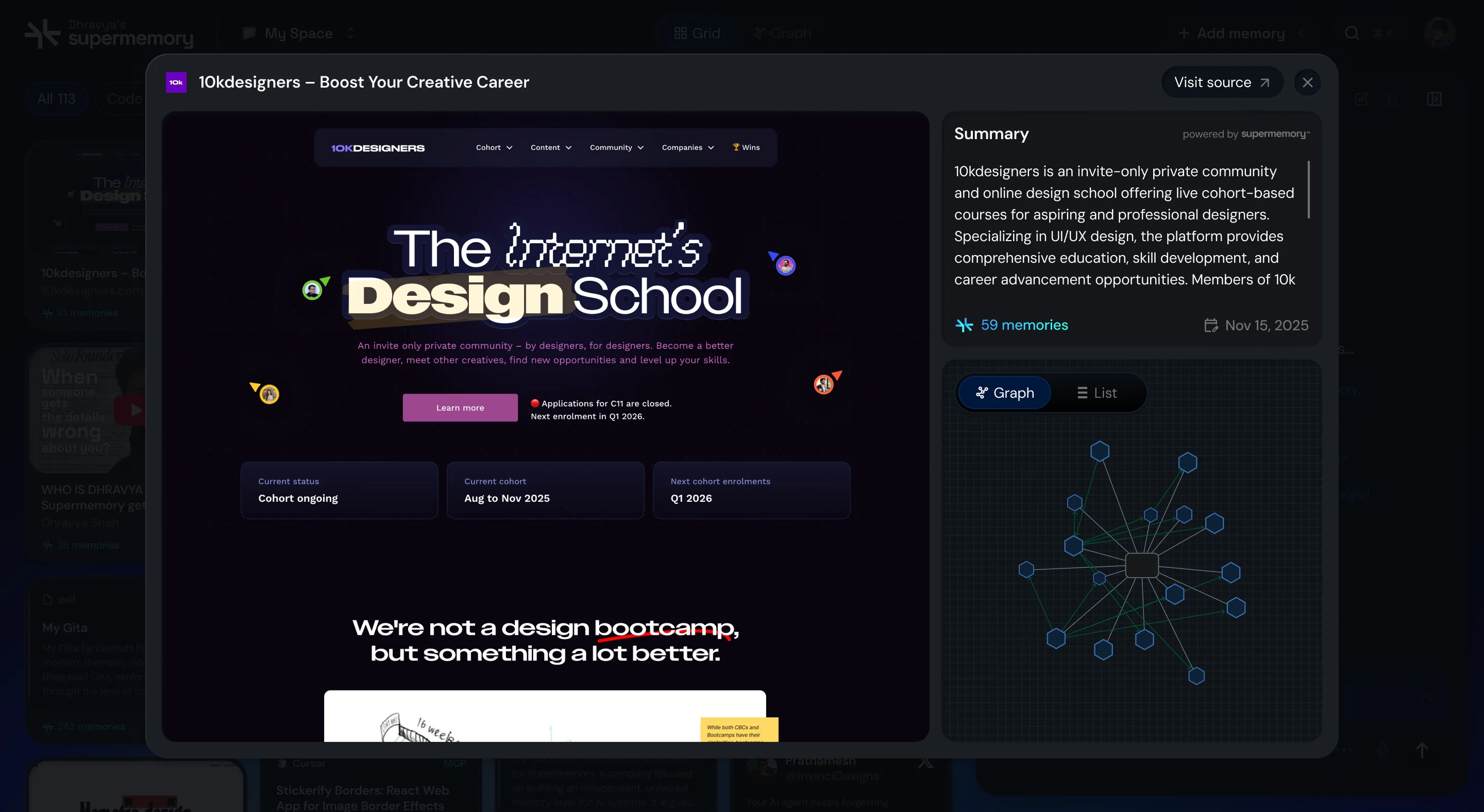
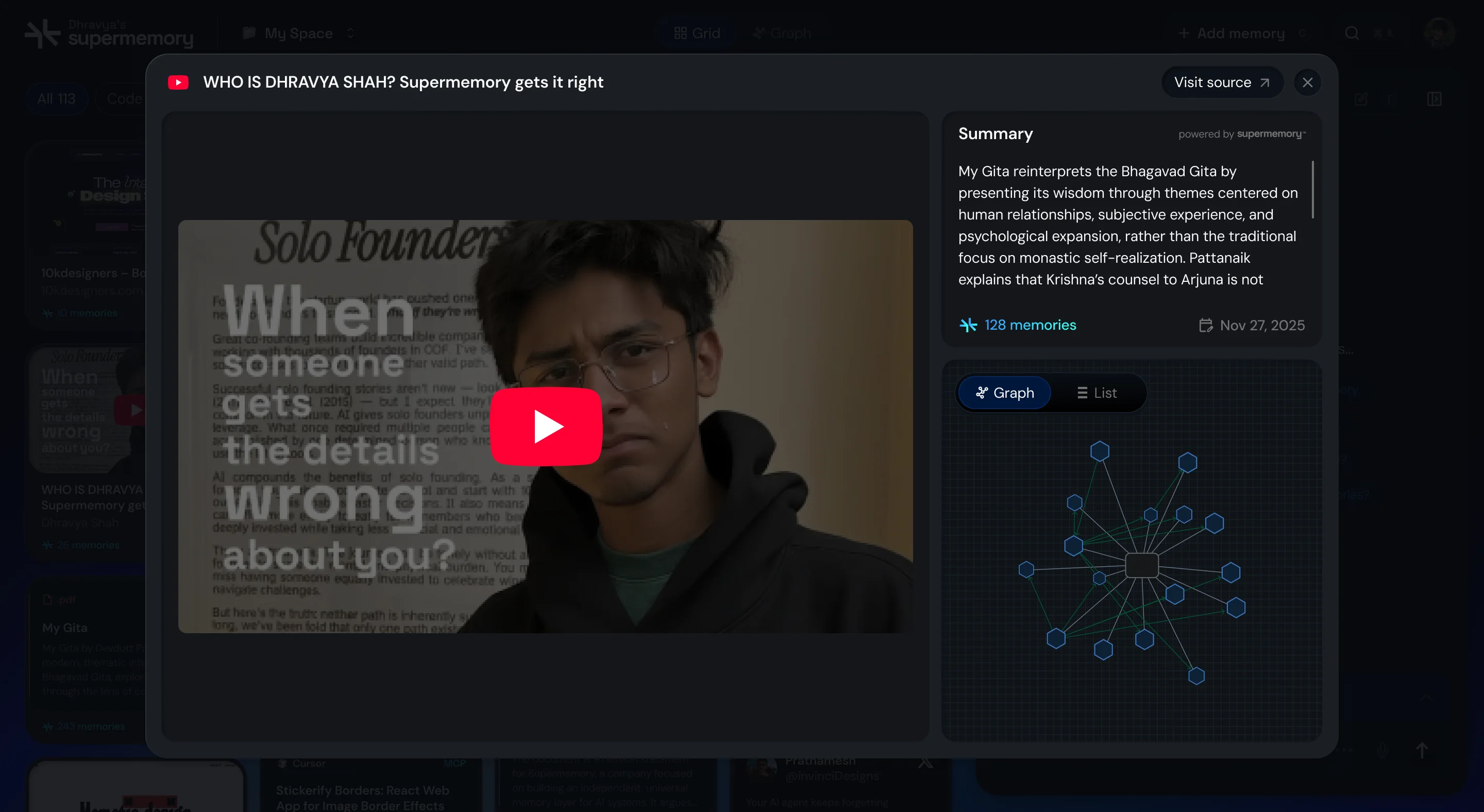
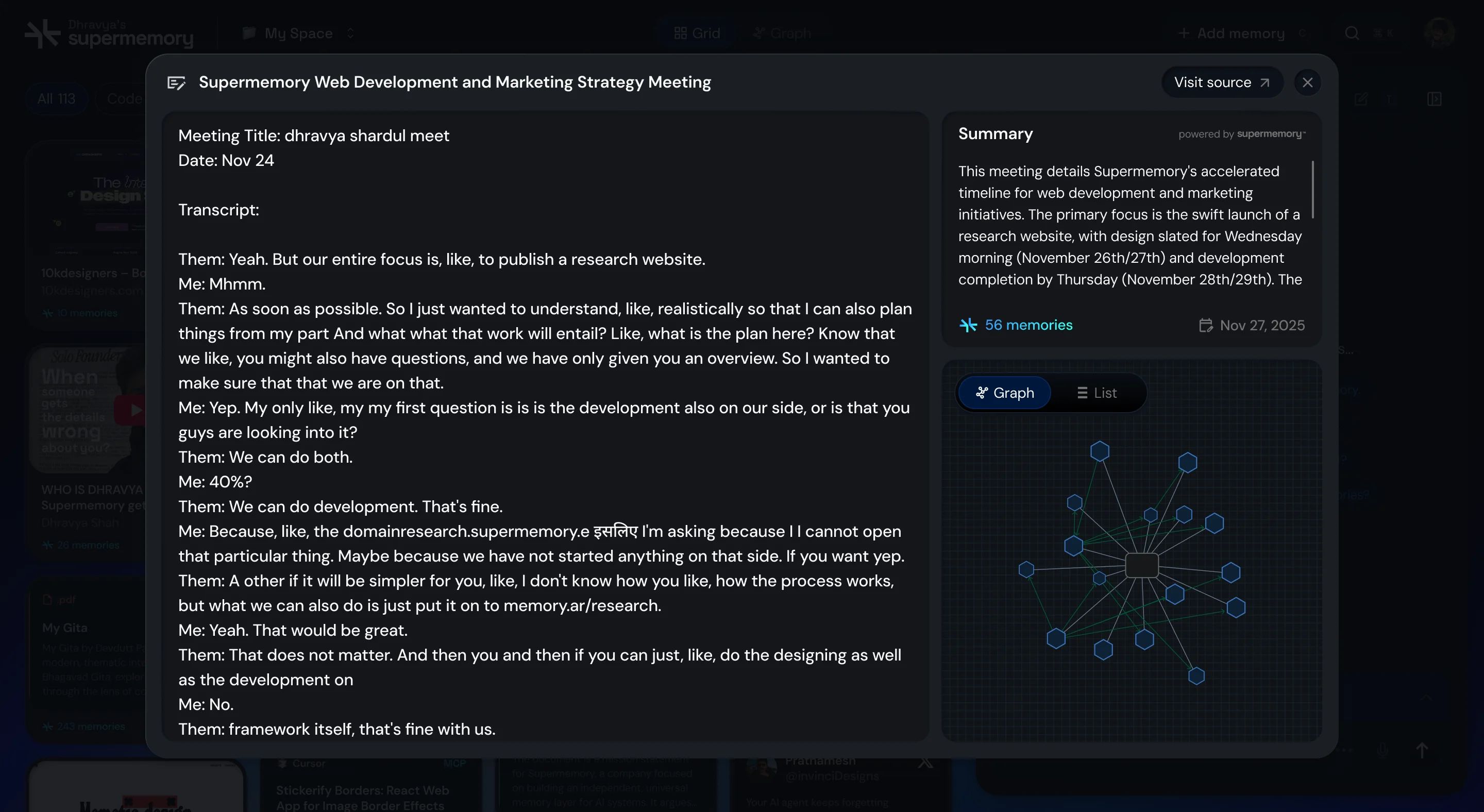
Documents become cards. Memories get their own card style. We redesigned the entire system with expandable modal views, source tagging and quick actions. Each document type and memory type needed its own visual indicator. Close sync with their frontend devs through QA calls kept everything pixel-perfect in production.
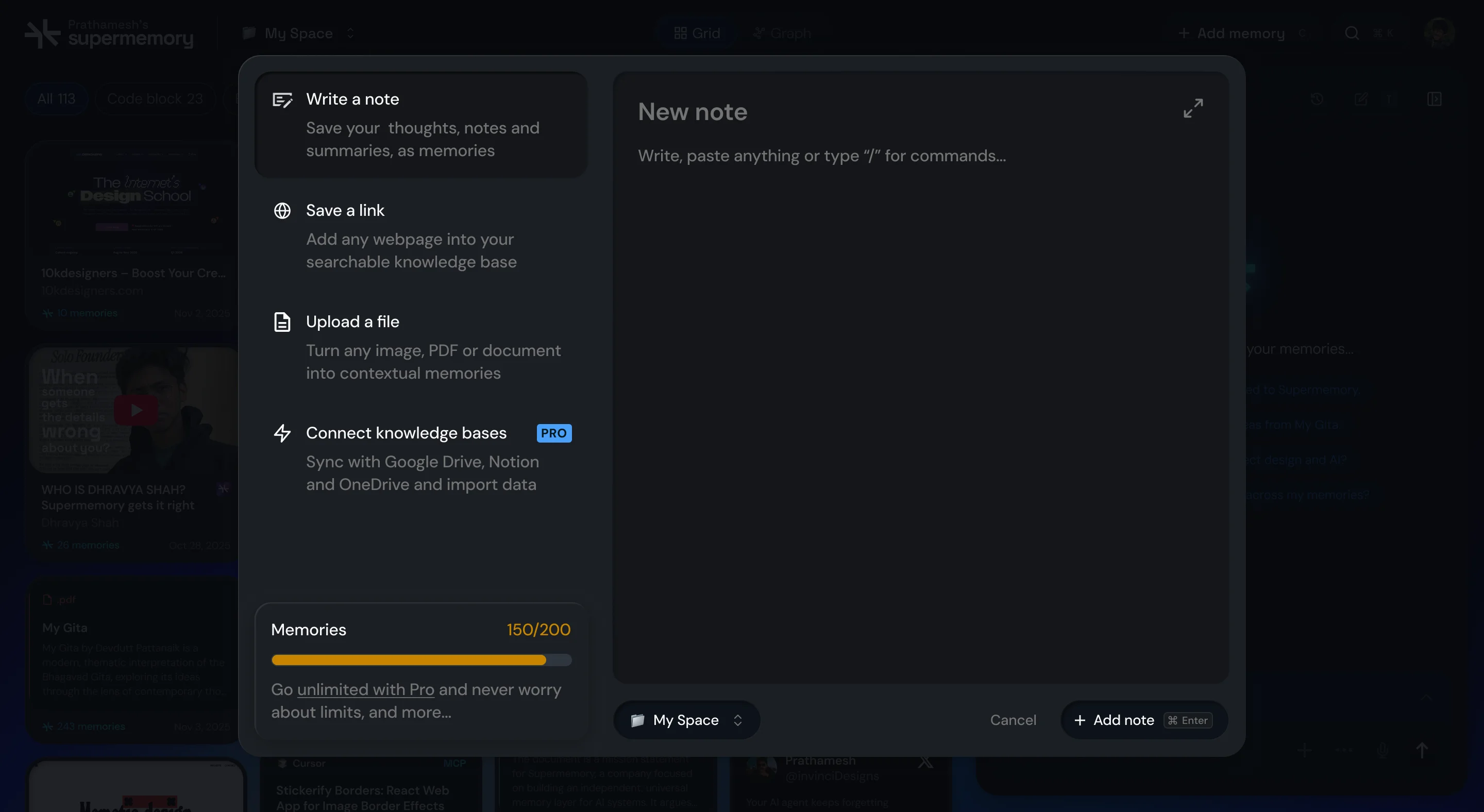
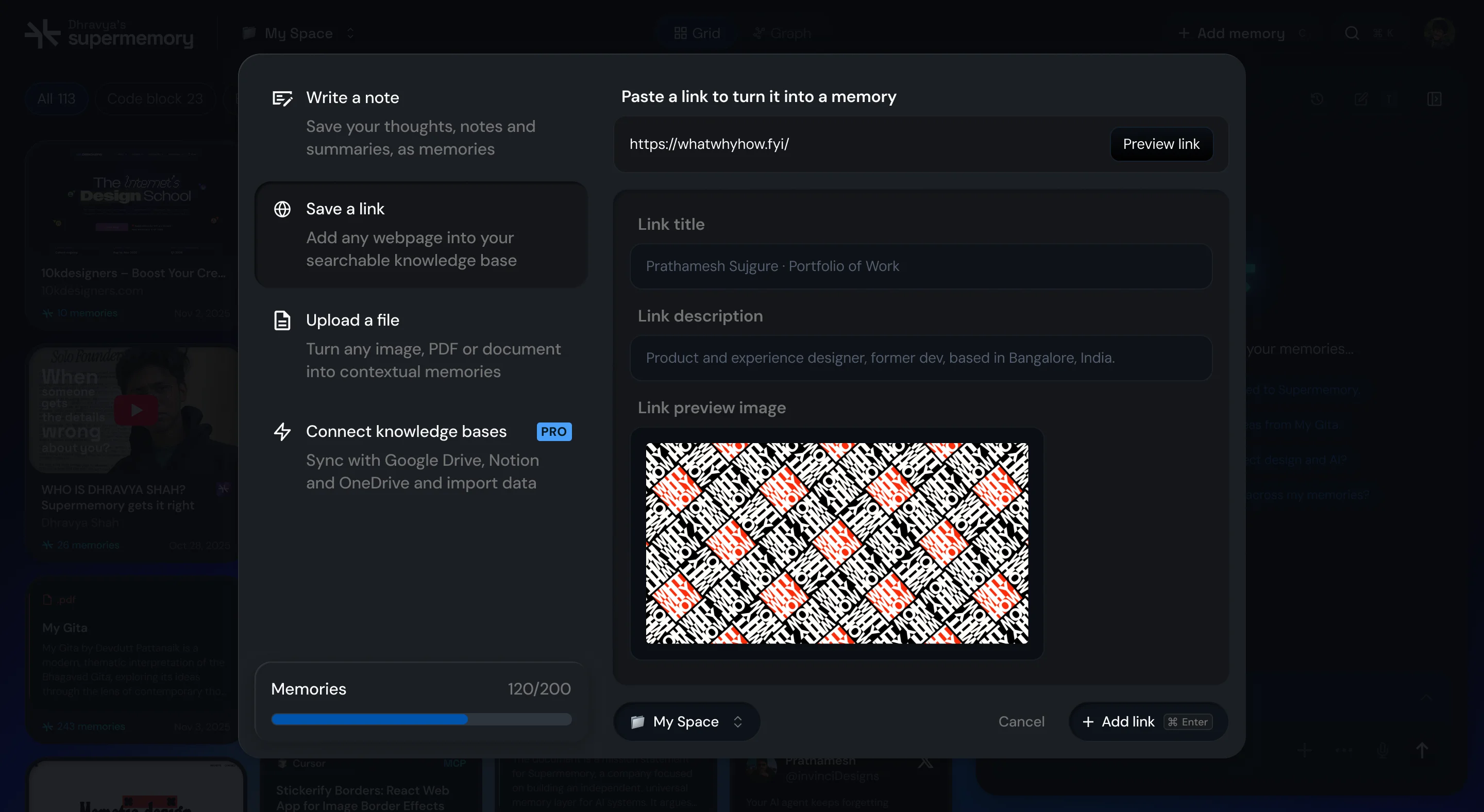
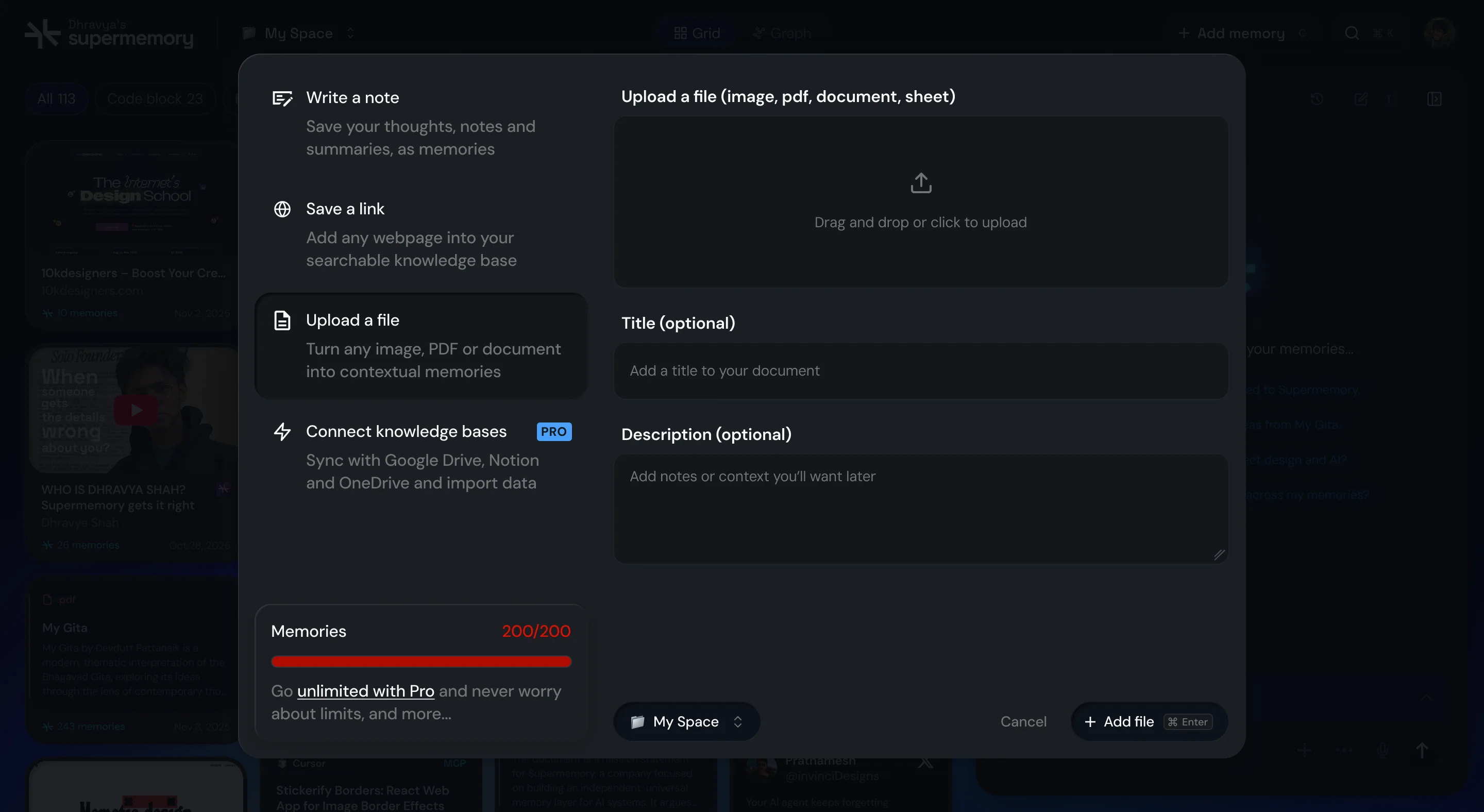
Add Memory Flow
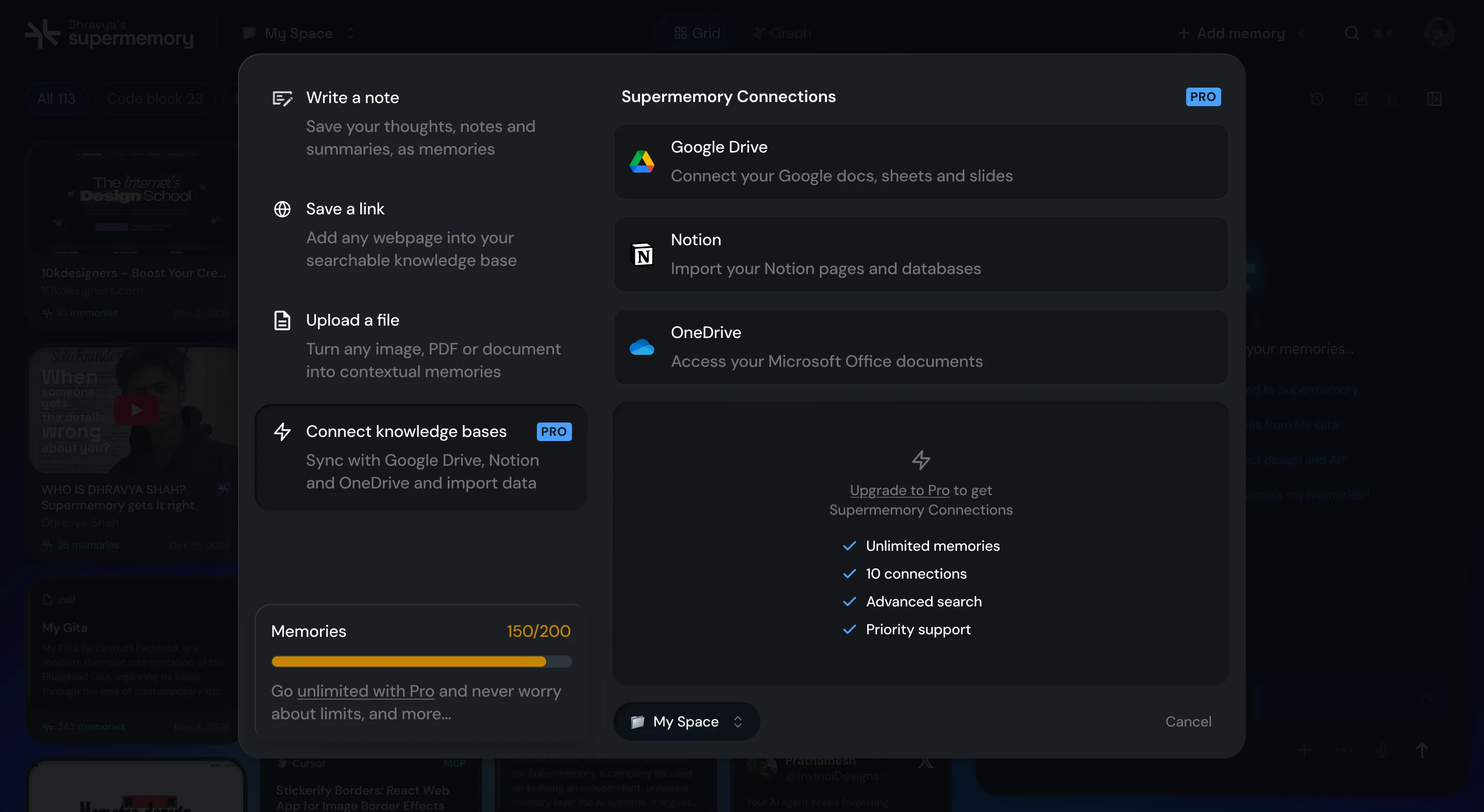
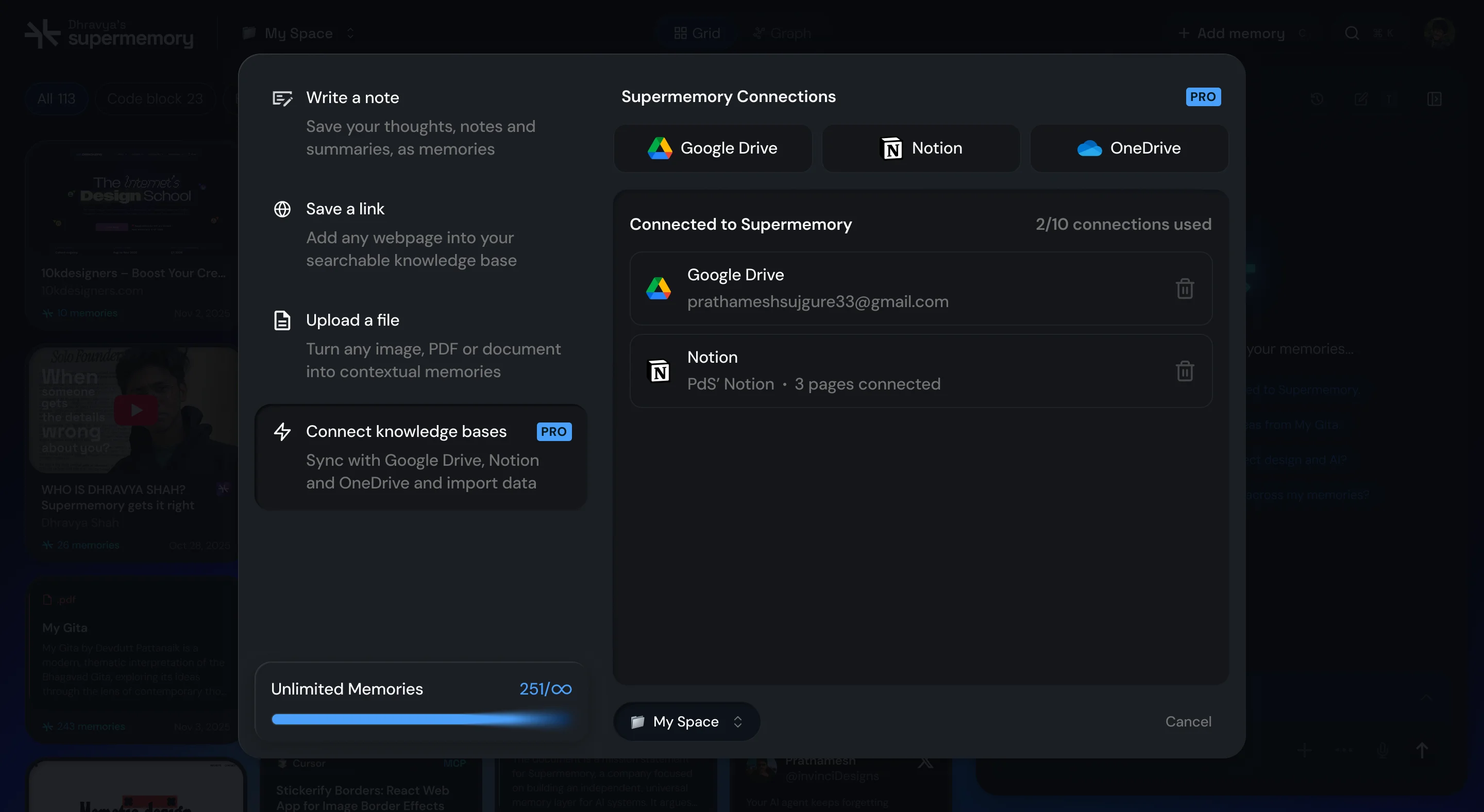
After onboarding, the add memory flow is the most critical path. Four ways to save: paste text, drop a link, upload files or connect an app. Some features sit behind the Pro plan, so we designed intentional upgrade indicators that double as a conversion funnel.
Graph View
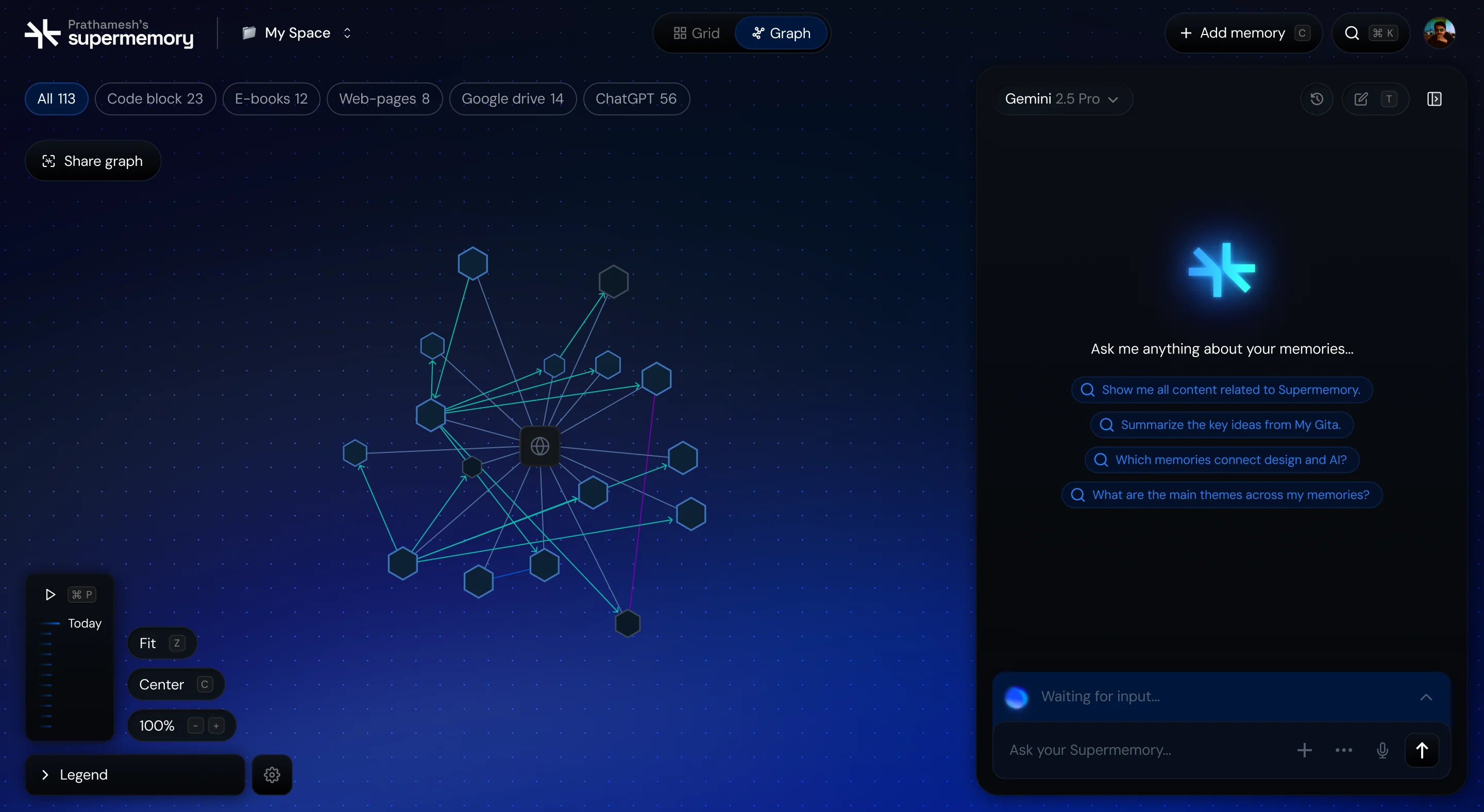
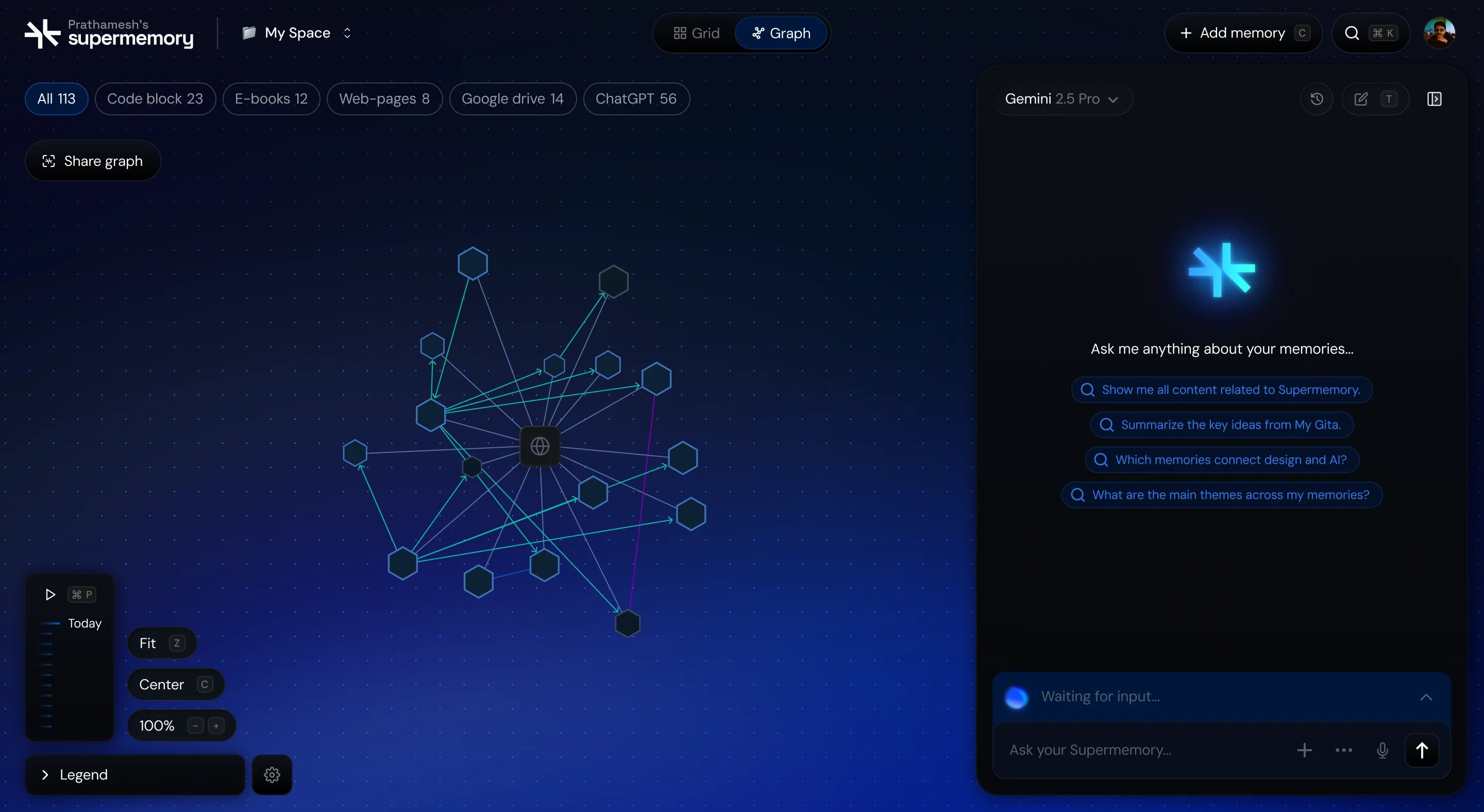
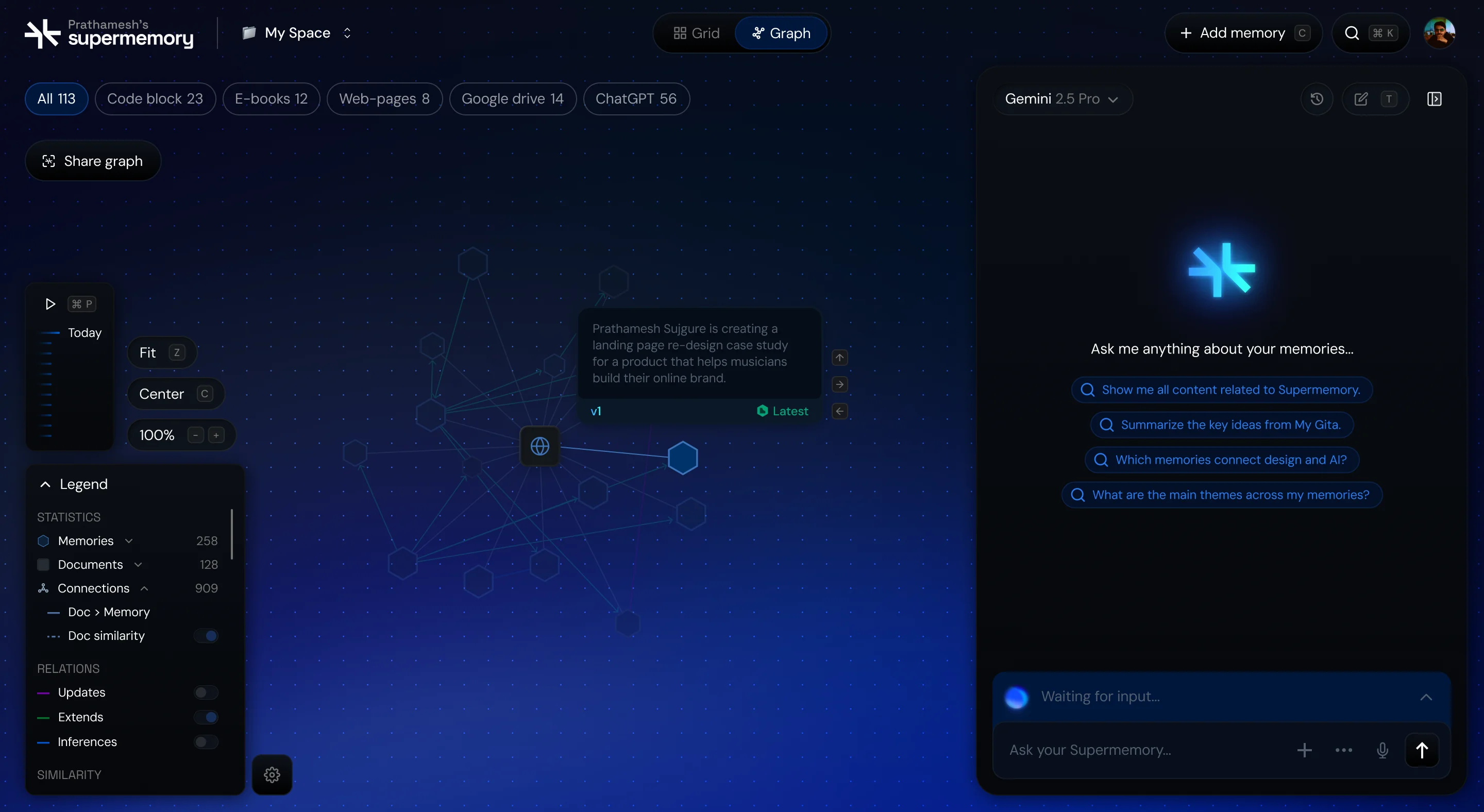
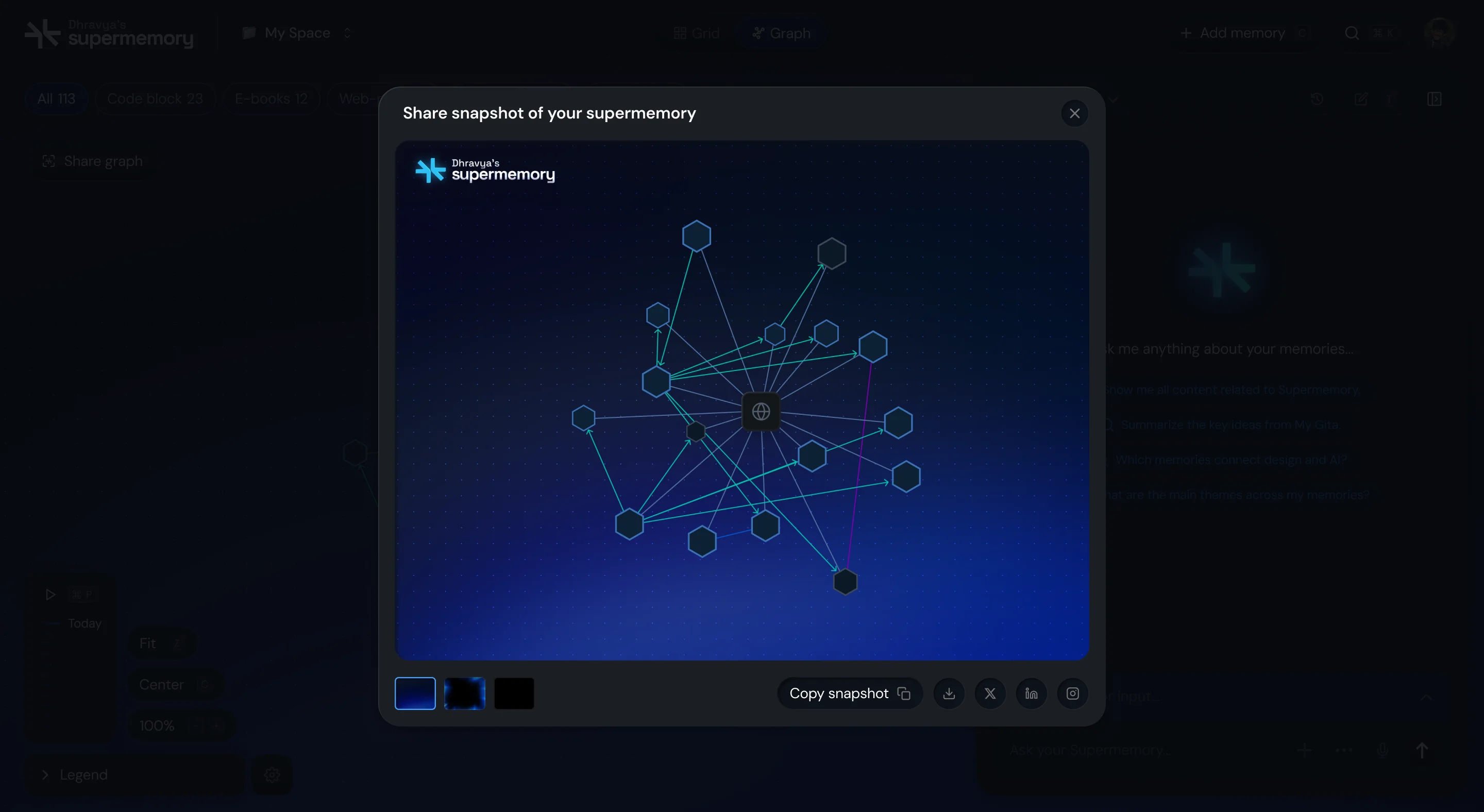
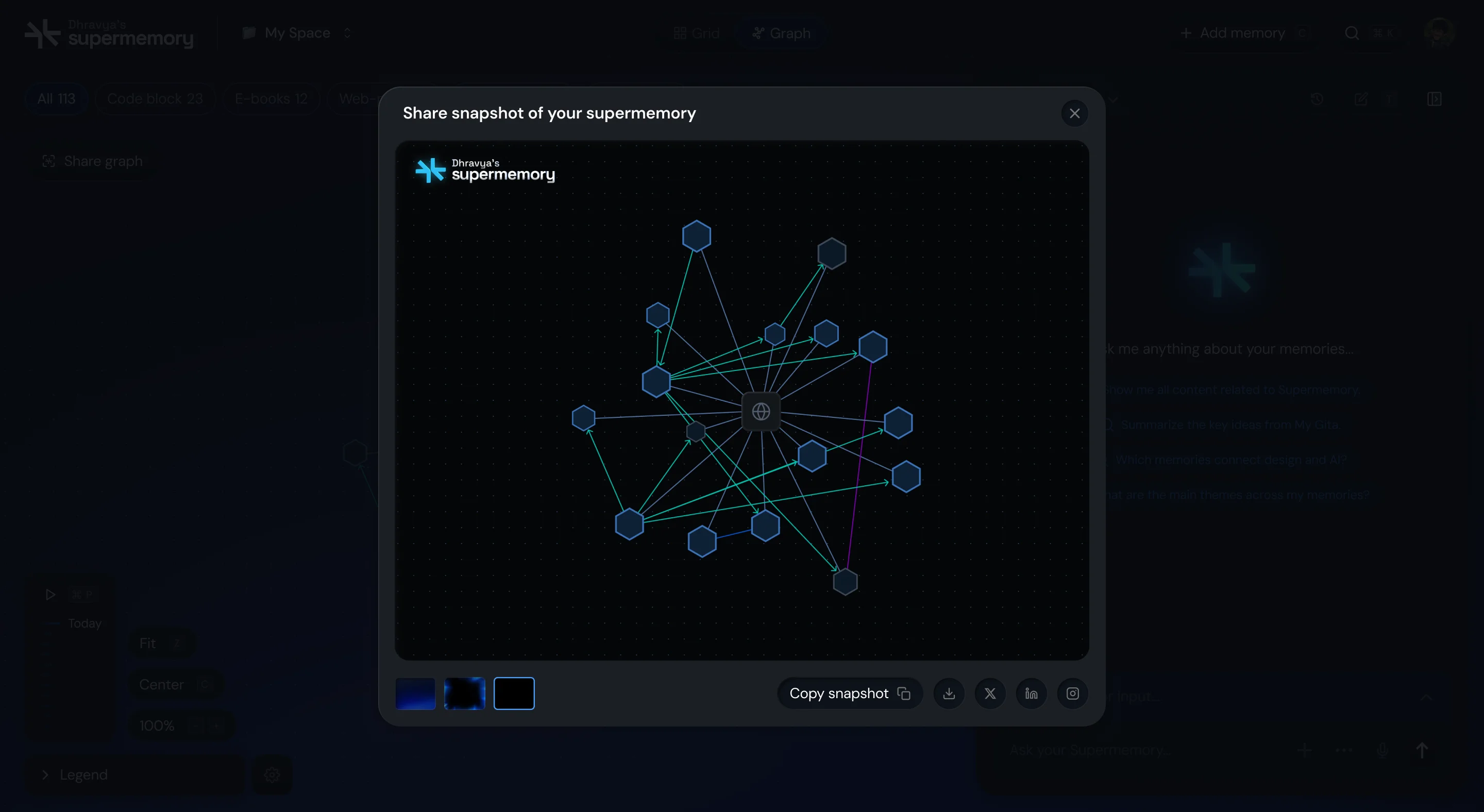
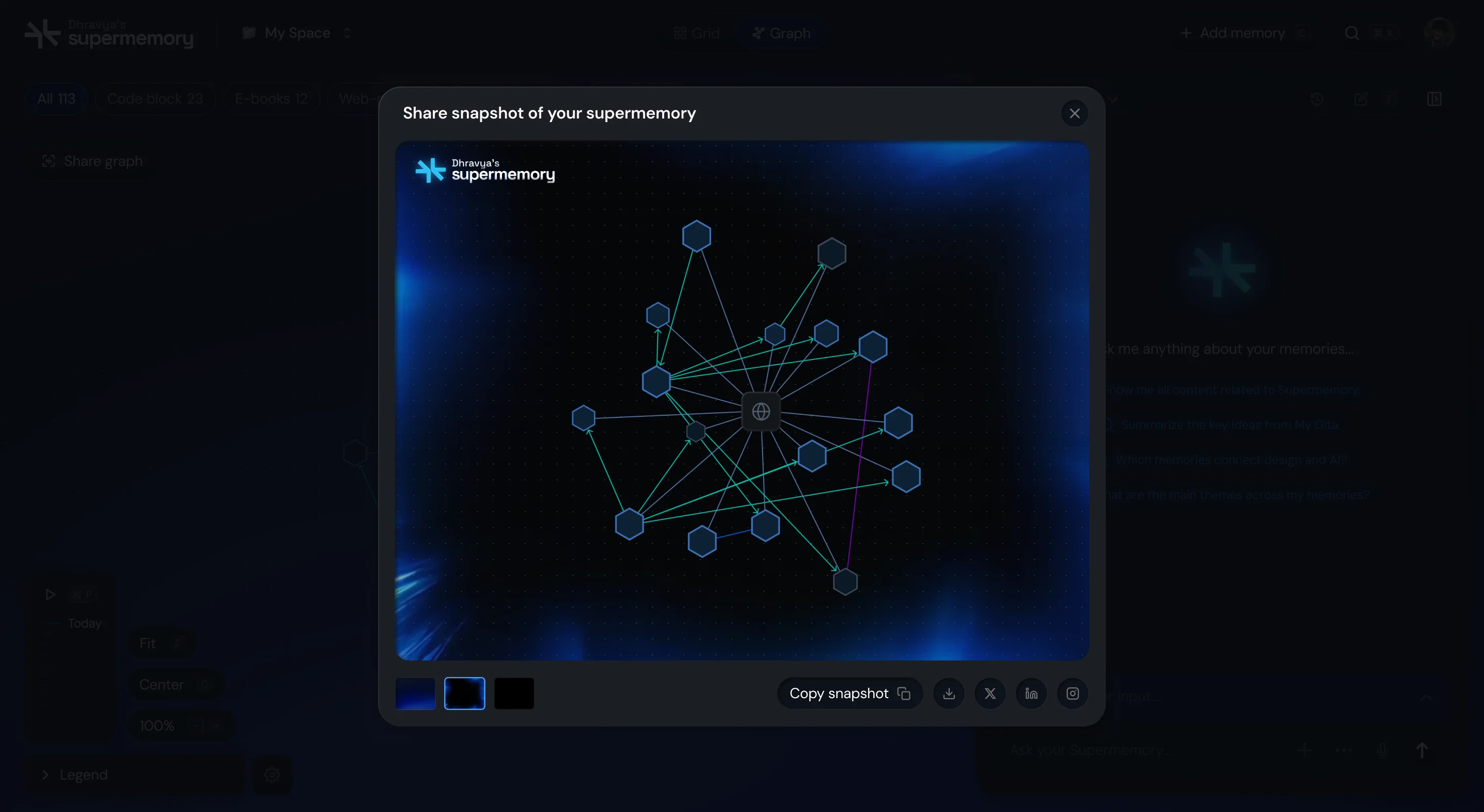
The knowledge graph is Supermemory's USP. Memories rendered as an interactive node network. The biggest constraint was that it started as a visual-only representation. We pushed to make it functional: users can discover clusters, trace connections and navigate their context spatially with keyboard arrow keys.
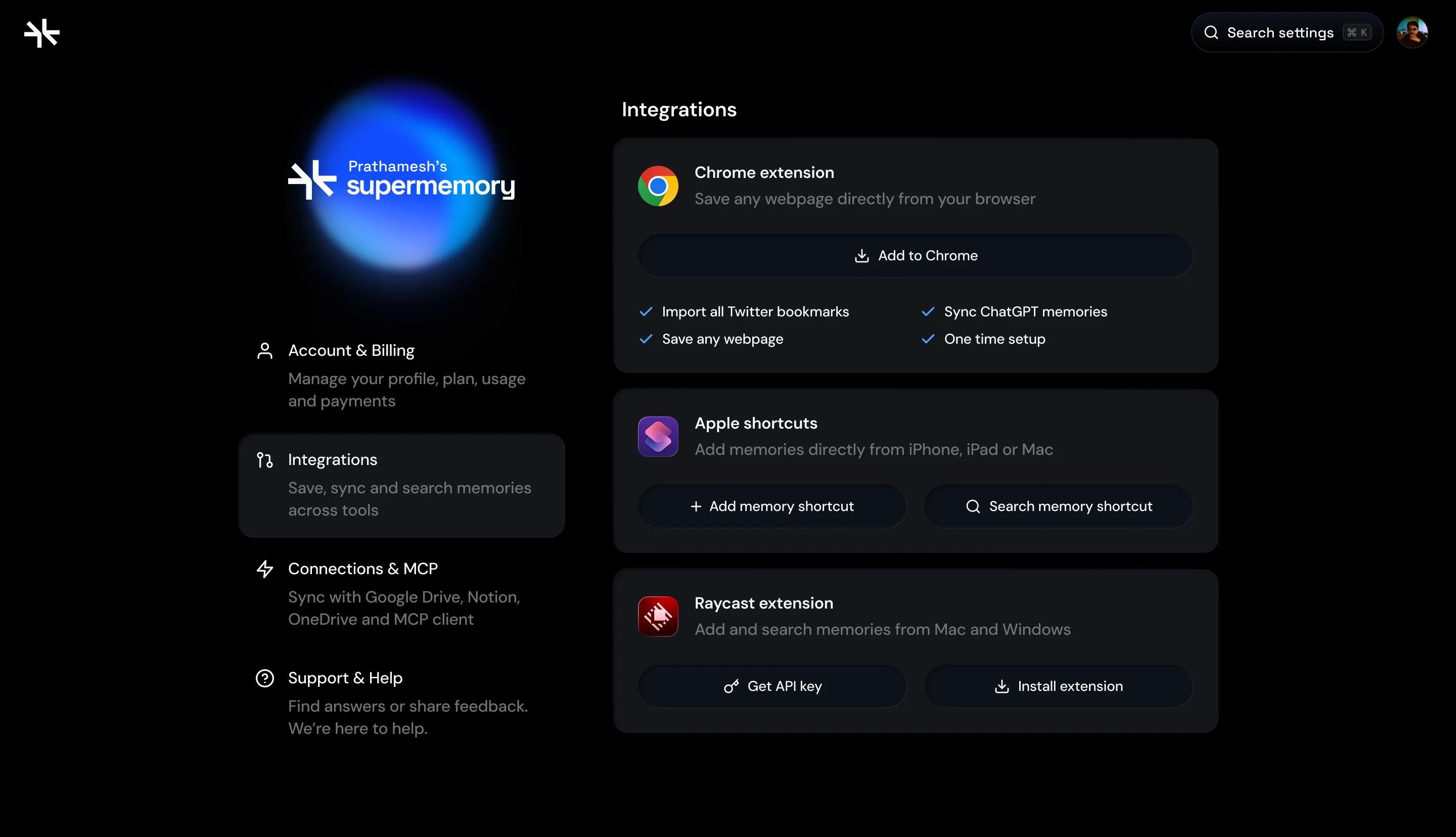
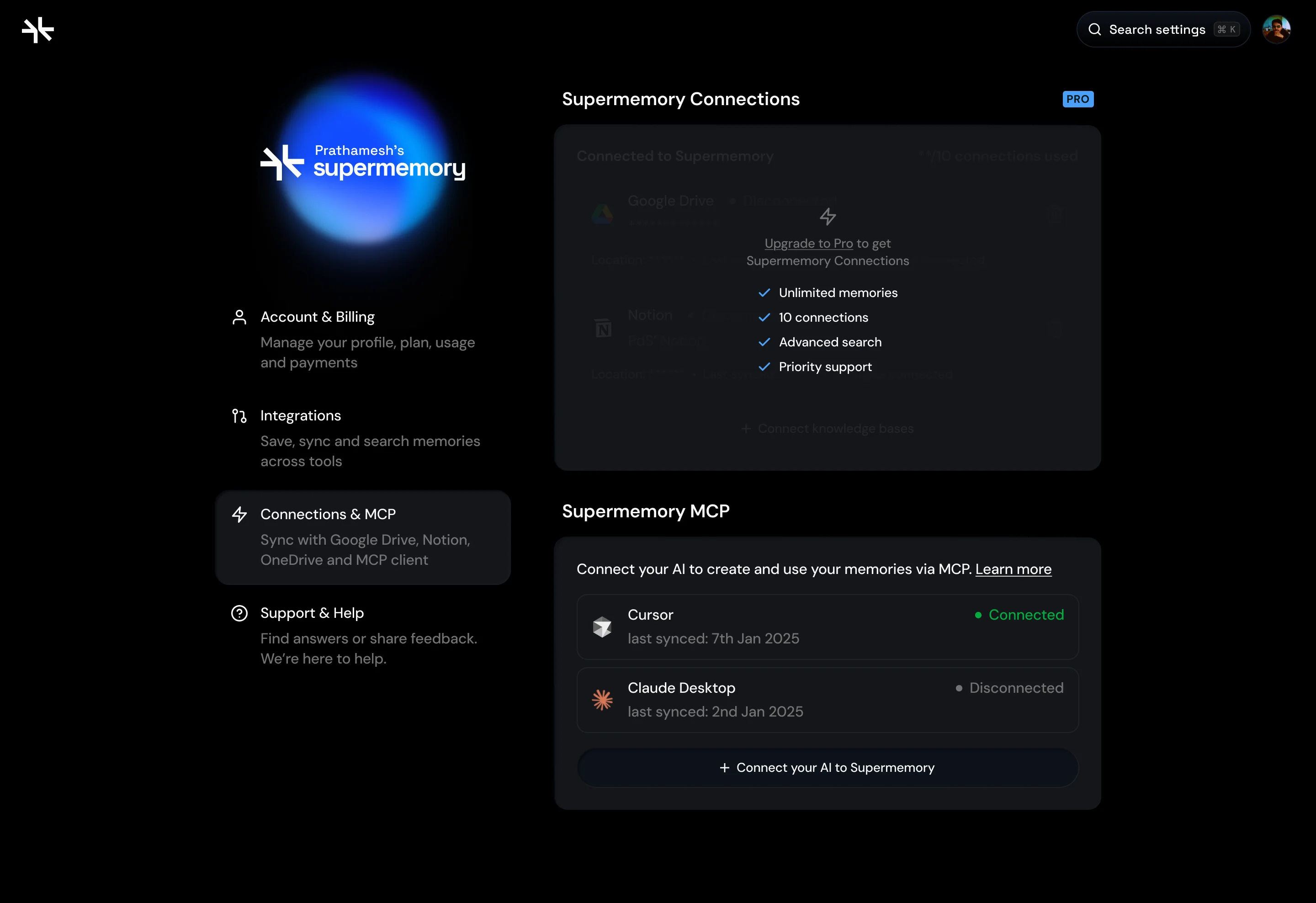
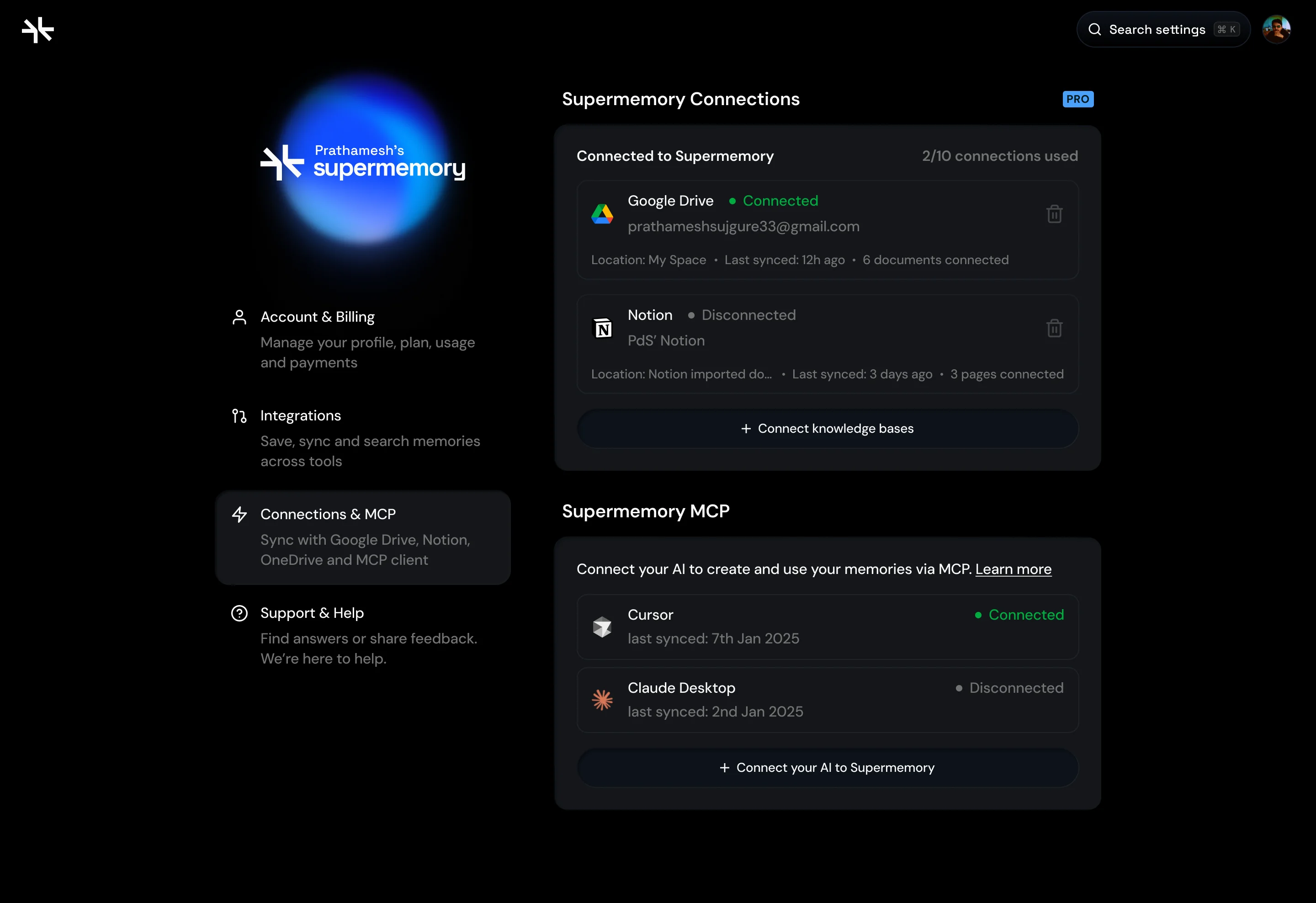
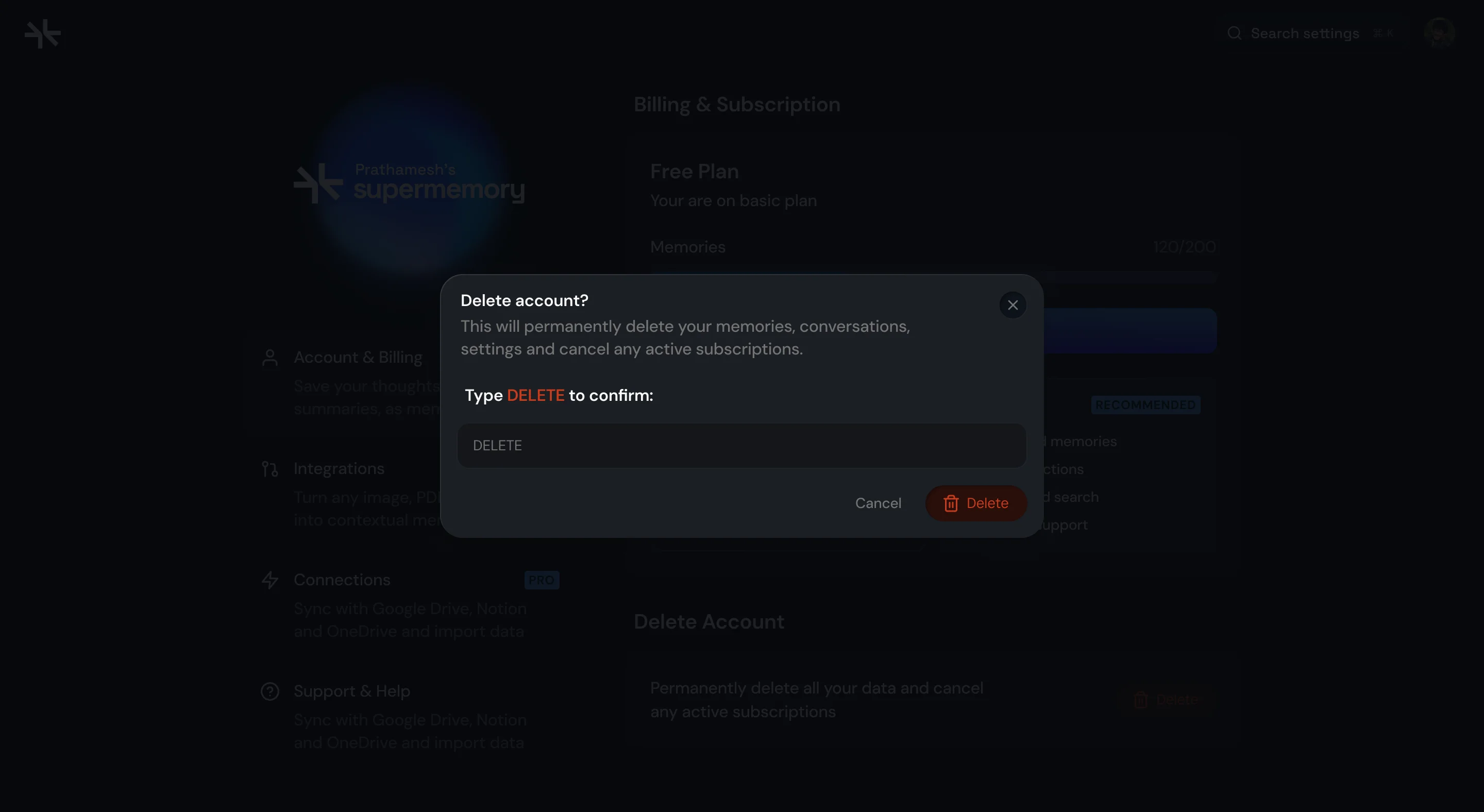
Profile and Settings
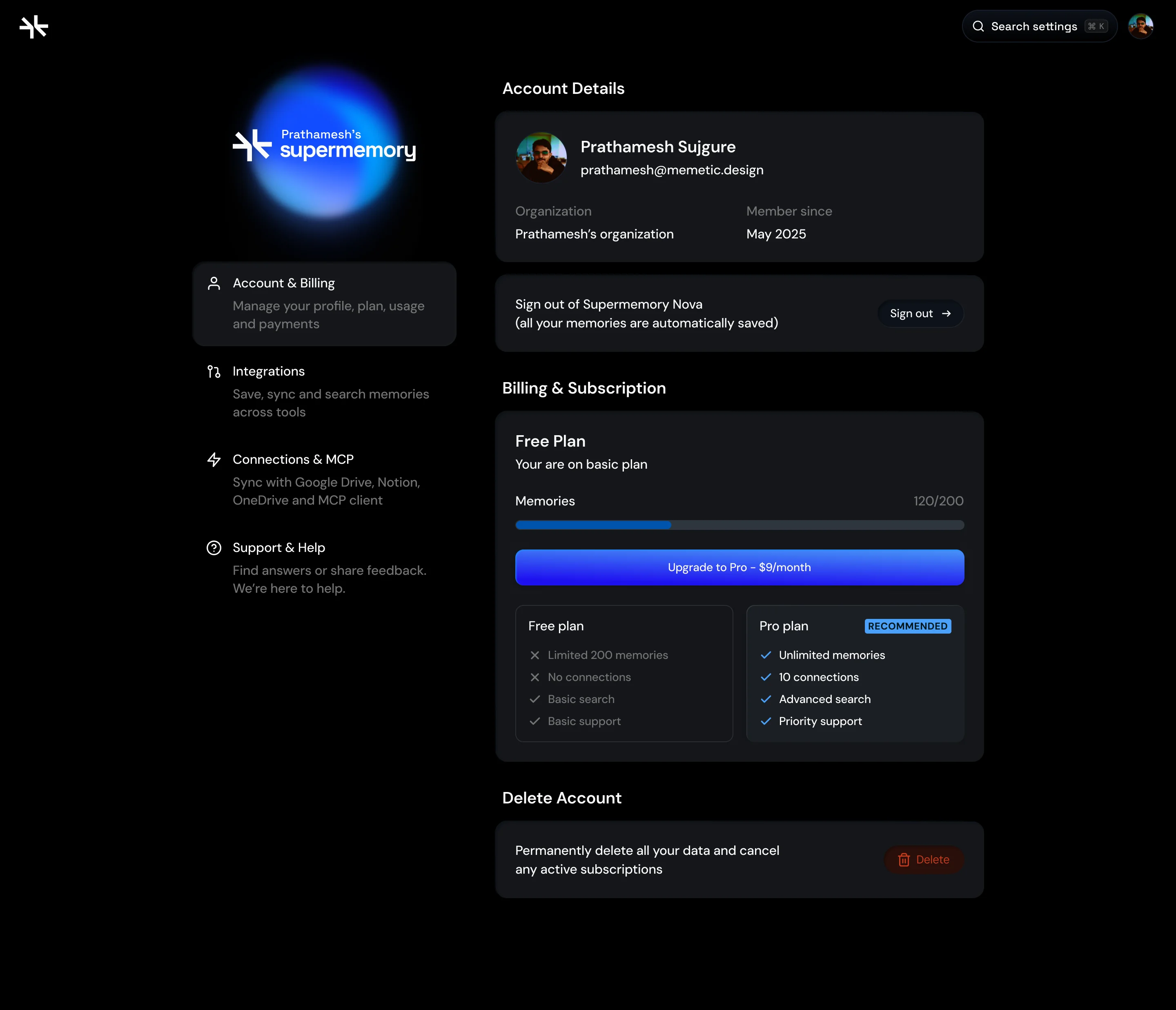
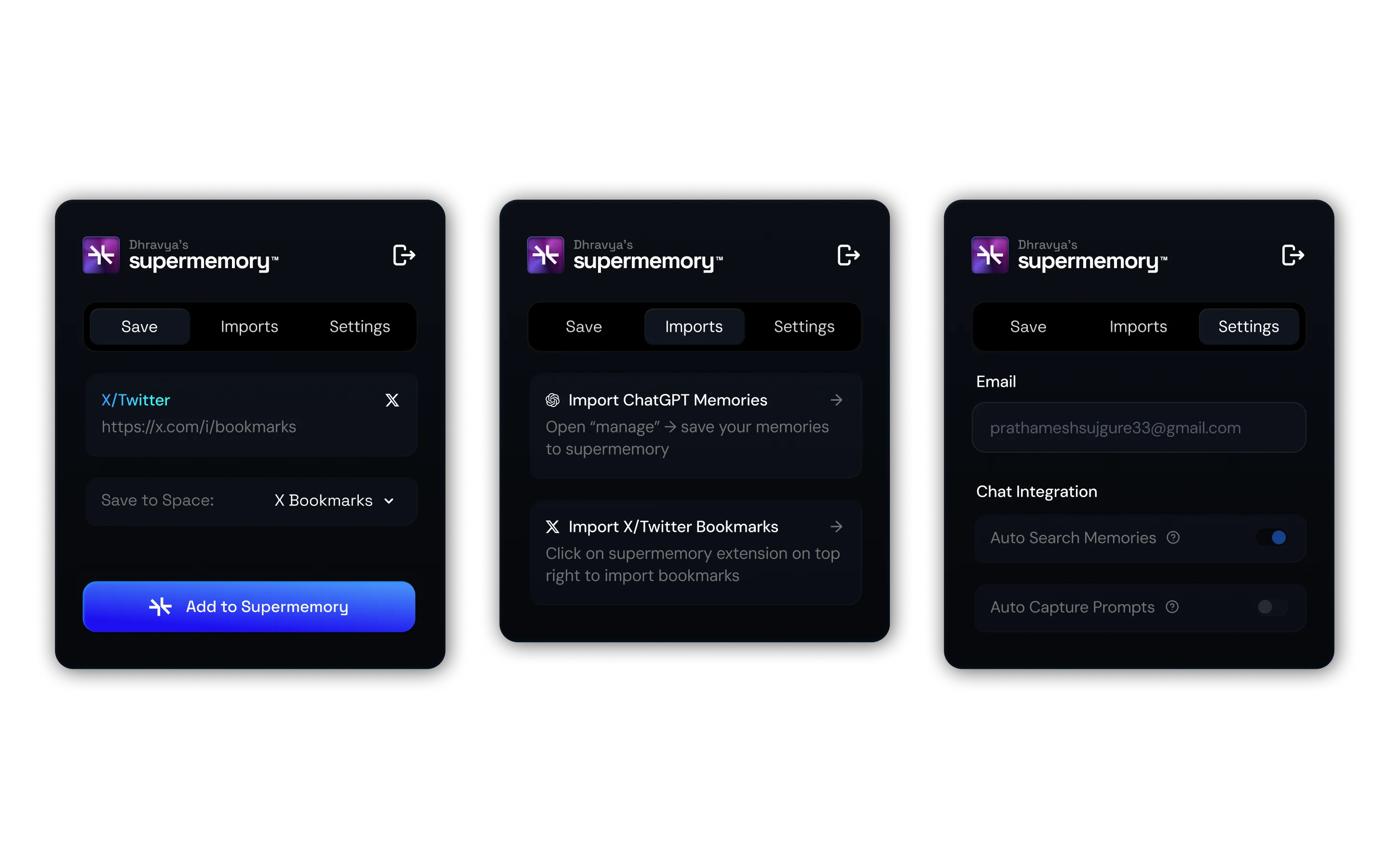
Profile screens, app connection management and all modal flows. We designed every secondary surface to feel as intentional as the primary screens.
Videos
We delivered multiple videos across the engagement. Some fully AI-generated, some shot by the Supermemory team with post-editing and scripting in collaboration. Cinematic launch videos, product demos and social clips.
On the internet
Parallel to product work we were constantly producing social content and marketing assets. Statics delivered on demand, brand guidelines the team could run with independently and campaign assets for Twitter/X and LinkedIn.